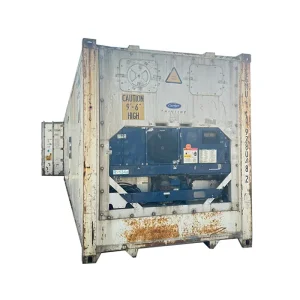
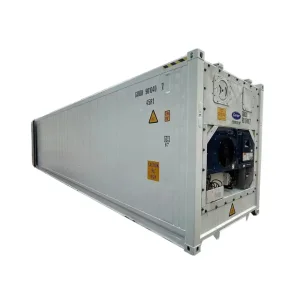
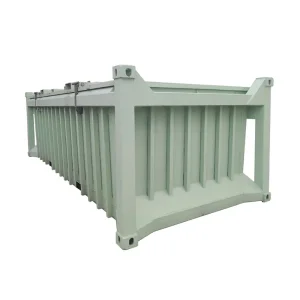
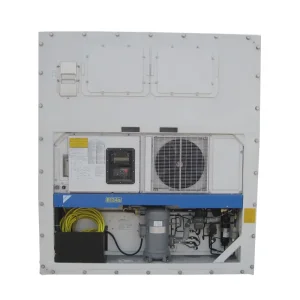
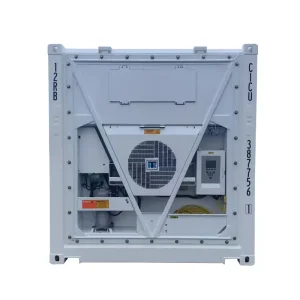
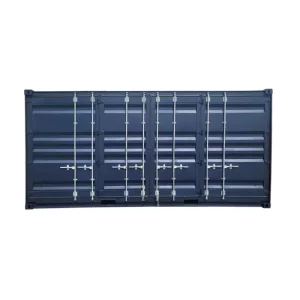
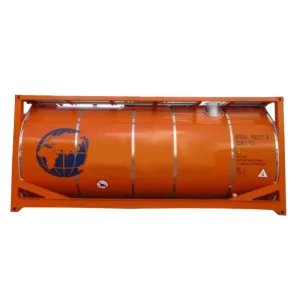
Direct-from-factory ISO intermodal configurations, offshore certifications, and specialized temperature-controlled modules ready for immediate deployment.
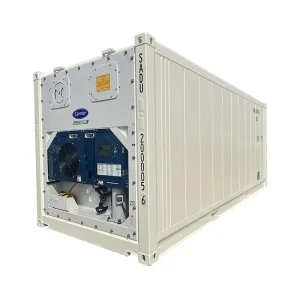
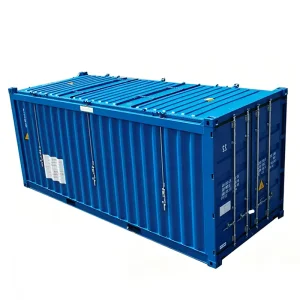
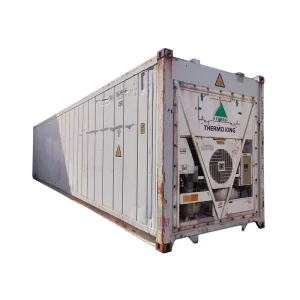
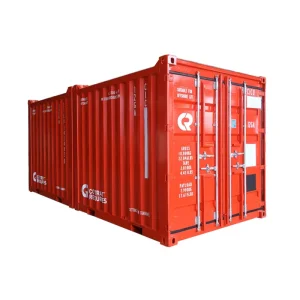
A granular analysis of raw materials, manufacturing labor, duo-pack fabrication methodologies, and export ocean transit adjustments governing container economics.
Raw structural steel accounts for approximately 58% to 64% of total unit manufacturing cost. Factory procurement prices in Tianjin and Suzhou fluctuate with domestic plate-rolling indexes. Corten-A/SPA-H weathering alloy ensures passivated copper-phosphorus rust protection, preventing atmospheric corrosion in hyper-saline oceanic transit environments.
Standard ocean liners and container vessel cell guides do not accept standalone 10ft units. To eliminate exorbitant loose breakbulk handling surcharges, Chinese manufacturing facilities build 10ft containers as paired "Duo-Packs" locked by ISO corner castings to create a 20ft footprint, requiring specialized balancing tolerances and connection hardware.
Environmental compliance mandates ultra-low VOC waterborne zinc-rich primer coats, followed by epoxy intermediate seals and polyurethane exterior topcoats. Applying multi-tier industrial coating protection systems across high-density 10ft structural profiles adds roughly $180-$240 per unit but guarantees up to 15-20 years of marine exposure resistance without structural failure.
How clustered raw material ecosystems, precision robotic welding, and mature port infrastructure deliver unmatched cost control and manufacturing scalability.
Our primary production yards in Tianjin and Suzhou leverage direct rail pipelines to Tier-1 domestic steel mills and marine-grade plywood suppliers (Keruing and bamboo composites). This centralized industrial cluster reduces inland raw material logistics surcharges by 14% compared to decentralized manufacturing regions.
High-speed automated submerged arc welding (SAW) and robotic seam jointers guarantee continuous penetration across 10ft corrugated side panels and structural crossmembers. Dimensional precision is maintained within ±1.5mm tolerances, eliminating skewing under maximum dynamic payload racking tests.
Located approximately 100 kilometers from Tianjin Xingang and major Yangtze delta container terminals, finished containers bypass complex inland multi-modal transit legs. We stage new builds directly into bonded port yards, reducing pre-carriage freight expenditure and expediting customs clearing.
Meeting rigorous multi-jurisdiction safety standards across North America, Europe, Australia, and hazardous offshore environments.
| Regulatory Standard | Certifying Authority | Technical Verification Scope | Applicable Sectors |
|---|---|---|---|
| ISO 668 & ISO 1496-1 | Bureau Veritas (BV) / CCS | Corner casting dimensions, stacking loads (up to 216,000 kg), transverse racking, weather tightness. | Intermodal Shipping |
| CSC Safety Approval | International Maritime Org (IMO) | Safety convention approval plate, periodic inspection compliance, dynamic floor strength. | Commercial Freight |
| DNV GL 2.7-1 / EN 12079 | DNV Certification | Dynamic offshore lifting, drop testing at -20°C, pad-eye structural integrity, non-destructive weld testing. | Offshore Energy |
| Australian Quarantine (AQIS) | DAFF Standards | Immersion timber floor treatment, fungicide/termite certification, sterile threshold flashing. | Oceania Logistics |
| TIR Customs Convention | International Road Union | Anti-tamper locking hardware, customs seal continuity, blind riveting protocols on exterior fasteners. | Cross-Border Rail |
Off-grid mining hubs in Western Australia and Latin America integrate 10ft high-cube shells as heavy-duty housings for diesel generation sets, microgrid inverters, and battery energy storage systems (BESS). Heavy chassis crossmembers support distributed localized machinery loads without bottom rail bowing.
Metropolitan logistics providers in Europe and North America utilize 10ft dry units with custom roller shutters or easy-open single-handle doors to maximize square-foot yield in space-constrained urban depots. Weatherproof vents and high-spec moisture desiccants maintain internal air equilibrium.
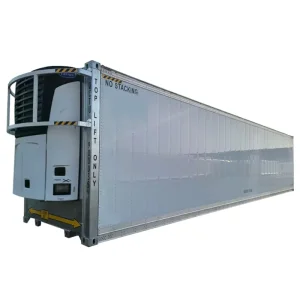
North Sea and Gulf of Mexico exploration operators order certified DNV offshore dry cargo and mini-reefer boxes. Built with high-impact Charpy V-notch tested steel and four-point sling assemblies, these 10ft units endure violent swell heave conditions during deck crane supply transfers.
Examining the structural technological shifts reshaping China's specialized intermodal container manufacturing landscape over the coming decade.
Next-generation 10ft units increasingly ship with integrated factory-recessed satellite and cellular IoT gateways. Continuous real-time telematics monitor structural door breaches, internal humidity anomalies, internal shock loads (3-axis G-force metrics), and reefer unit diagnostic faults across multi-modal supply chains.
Global enterprise decarbonization targets are accelerating demand for "Green Steel" containers fabricated utilizing scrap-recycled Electric Arc Furnace (EAF) steel instead of traditional blast furnaces. Coupled with solvent-free powder coatings, lifecycle embodied carbon per unit drops by over 38%.
Rather than standard monocoque boxes, industrial procurement increasingly specifies pre-engineered standardized inner mounting rails, flush wall conduits, and modular floor penetrations. This allows instantaneous field conversion between secure military dry lockups, mobile water purification stations, and temporary clinic pods.
Direct engineering clarity addressing common sourcing inquiries from enterprise buyers, project procurement heads, and equipment leasers.
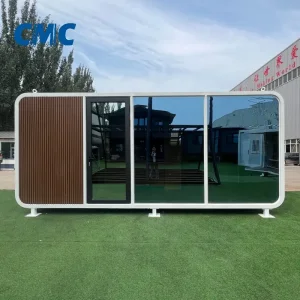
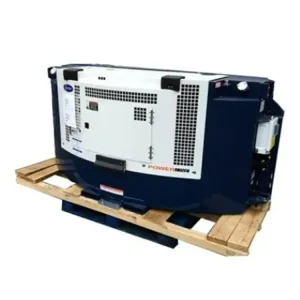
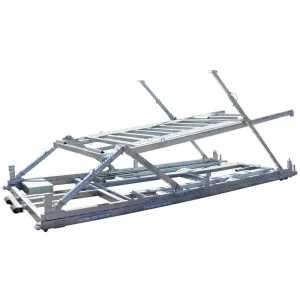
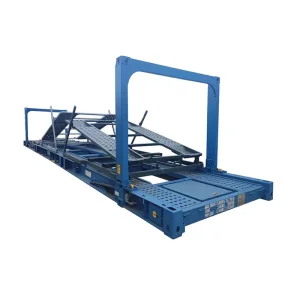
Complete OEM/ODM catalogue including prefab modular housing, power generator integration units, multi-tier auto racks, and heavy-duty ore carriers.