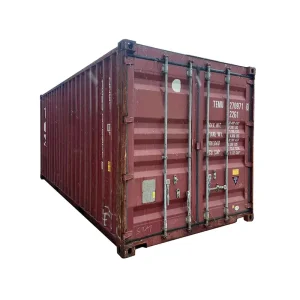
Explore BV-certified, heavy-duty intermodal structures directly dispatched from port-adjacent hubs in Tianjin and Suzhou.
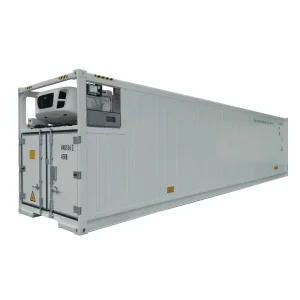
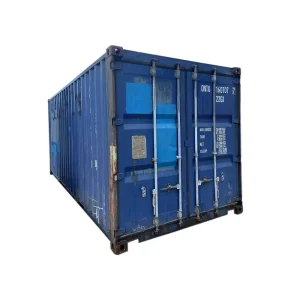
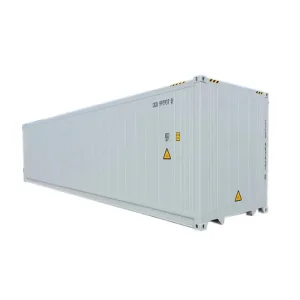
The transition toward volumetric optimization in global intermodal freight is accelerating, with 40ft and 45ft High Cube containers commanding over 65% of maritime and rail corridors worldwide.
Modern global commerce increasingly prioritizes lightweight, high-volume cargo such as consumer electronics, apparel, and modular components. HQ containers provide an extra 1 foot (304 mm) of vertical clearance, adding ~12% internal volume over standard units without increasing port footprint.
Factory production utilizes high-tensile SPA-H Corten steel, generating an adherent oxide protective layer that prevents marine atmospheric corrosion. Integrated with zinc-rich primer coatings, these structures resist dynamic shear stresses up to 34,000 kg gross weight limits.
With factories positioned directly in northern and eastern logistic gateways (Tianjin and Suzhou), manufacturers minimize inland transit overhead. Direct access to deepwater berths guarantees accelerated container repositioning and zero double-handling delays.
A transparent evaluation of base production costs, dimensions, and operational performance matrices to empower enterprise procurement managers.
| Model / Configuration | Dimensions (Ext. L×W×H) | Payload Capacity | Cubic Volume | Thermal / Build Tech | Indicative Ex-Factory FOB |
|---|---|---|---|---|---|
| 40ft High Cube Dry Standard | 12,192 × 2,438 × 2,896 mm | 28,560 kg | 76.2 m³ | SPA-H Corten, 28mm Bamboo/Plywood | $2,450 – $3,150 |
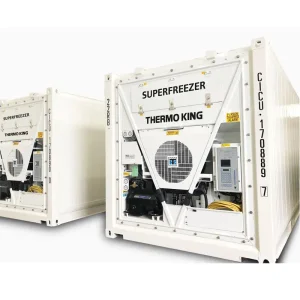
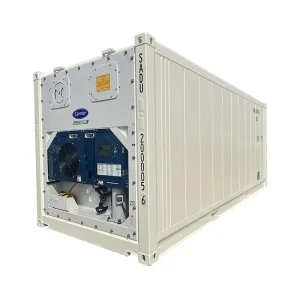
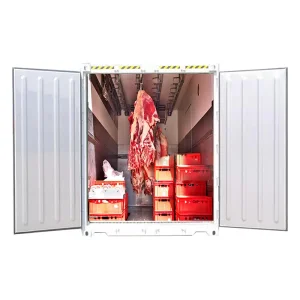
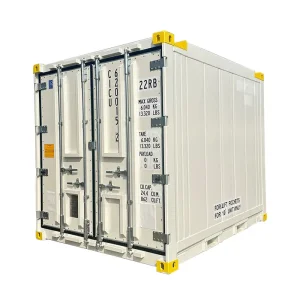
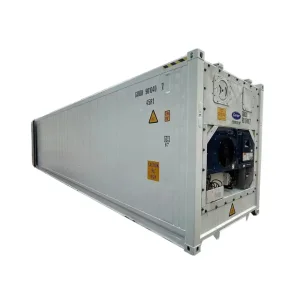
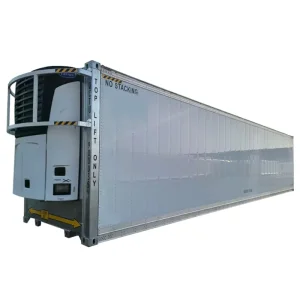
| 40ft HC Reefer (Carrier/Thermo King) | 12,192 × 2,438 × 2,896 mm | 29,400 kg | 67.5 m³ | SUS304 Stainless Interior, Cyclopentane Foam | $11,800 – $15,900 |
| 40ft HC Thickened Foam Insulated | 12,192 × 2,438 × 2,896 mm | 27,800 kg | 70.1 m³ | Passive Polyurethane Sandwich Panels | $4,800 – $6,200 |
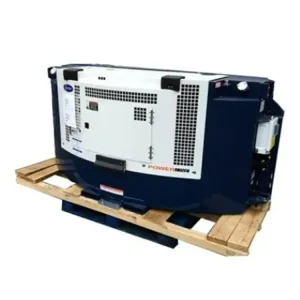
| 45ft Belt & Road Railway HC Reefer | 13,716 × 2,438 × 2,896 mm | 29,100 kg | 83.2 m³ | Integrated Diesel Genset + Inverter Unit | $16,500 – $21,000 |
| 20ft HC Dry Cargo Standard | 6,058 × 2,438 × 2,896 mm | 28,250 kg | 37.4 m³ | Heavy-Duty Corner Castings, Lock Box | $1,650 – $2,200 |
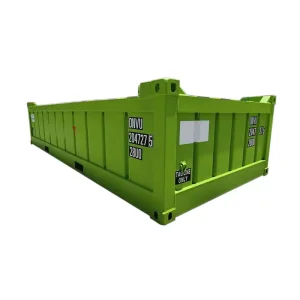
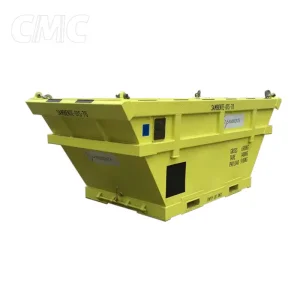
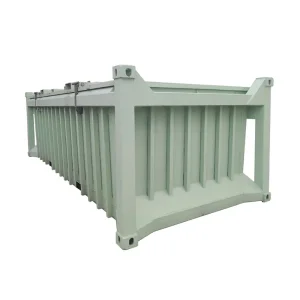
| DNV 2.7-1 / EN 12079 Offshore Unit | Project Specified | Custom Dynamic | Varies | Sub-zero Impact Testing, Padeyes, Slings | On Project Specification |
Engineered to adapt to distinct climatic, infrastructural, and regulatory frameworks across five target continents.
In high-ambient tropical environments (up to 50°C), our solar-assisted DC inverter 40ft HQ reefers reduce perishable crop loss from farm-gate to port. Equipped with rugged diesel genset backups, they operate flawlessly across variable electrical grids in Kenya, Nigeria, and South Africa.
Deploying along the Belt and Road intermodal route through Central Asia, our 45ft HQ containers withstand dynamic shock loadings and extreme winter conditions down to -40°C, offering seamless transit from Chongqing to European logistics terminals.
High-cube structural stability makes them the preferred substrate for relocatable high-tech data centers, mobile BESS (Battery Energy Storage Systems), temporary living quarters, and automated indoor hydroponic farming installations in regulated suburban zones.
How digital telemetry, green materials science, and automated manufacturing are redefining the standard container asset.
Standardizing embedded 5G/satellite GPS tracking, real-time shock sensor arrays, interior humidity mapping, and door-opening optical logs for full cold-chain visibility.
Integrating advanced VIP composite layers alongside cyclopentane foam, improving thermal retention by 38% and reducing active refrigeration power draw by 1.8 kW/hr.
Phasing out solvent-based marine paints in favor of waterborne epoxy systems and bio-resin composite flooring to comply with strict European carbon border adjustment mechanisms (CBAM).
Developing thin-film building-integrated photovoltaics on container roof corrugations to self-power autonomous ventilation, dehumidifiers, and monitoring hardware.
End-to-end operational integration that transcends raw equipment supply.
By partnering with shipbuilders, port authorities, and railway operators, CIMIC delivers pre-certified ISO container batches engineered for automated spreader arms and robotic gantry clearance. This reduces terminal dwell times by up to 22% compared to non-standard customized equipment.
Rapid deployment packages containing containerized cold-storage hubs, integrated Carrier/Daikin refrigeration systems, and standalone genset units. Engineered to establish critical vaccine, pharma, and fresh food reserves within 72 hours of arrival in remote or disaster-impacted zones.
Technical guidance direct from our chief fabrication engineers and international logistics directors.
A standard 40ft Dry Cargo (DC) container has an exterior height of 8ft 6in (2,591 mm), whereas a 40ft High Cube (HQ/HC) measures 9ft 6in (2,896 mm). This additional foot elevates total internal capacity from 67.7 m³ to 76.2 m³, permitting 304 mm taller cargo clearance and optimal double-tier euro-pallet stuffing without expanding terminal or deck footprints.
Over 55% of a dry high-cube container's production cost is tied to hot-rolled SPA-H atmospheric corrosion-resistant steel coil prices. The remaining portion reflects welding energy, high-solids marine paints, bamboo flooring plates, and manual labor. As steel prices fluctuate on domestic exchanges, ex-factory pricelists adjust quarterly to reflect metal baseline movements.
Unlike standard ISO 1496 units, DNV 2.7-1 / EN 12079 offshore containers undergo extreme structural assessments: multi-point dynamic lifting tests, vertical impact drop testing at -20°C, and rigorous non-destructive examination (NDE/NDT) of pad-eye welds. This guarantees survival under harsh marine wave impacts and crane snatching conditions on open sea rigs.
Yes. Our OEM/ODM capabilities encompass custom polyurethane foam densities (38-42 kg/m³), secondary aerogel interior blankets, stainless steel t-bar or flat airflow flooring, and specialized food-grade butcher rails for hung meat cargo. All alterations are modeled via CFD (Computational Fluid Dynamics) thermal simulations before metal cutting.
Procure certified intermodal assets ready for international shipping, multi-modal routes, and heavy-duty maritime deployments.