Direct-from-factory ISO 1496-1 intermodal assets, structural platforms, and expandable architecture engineered to withstand high dynamic marine stress.



A comprehensive technical examination of the metallurgical, architectural, and supply-chain parameters that define premier manufacturing operations.
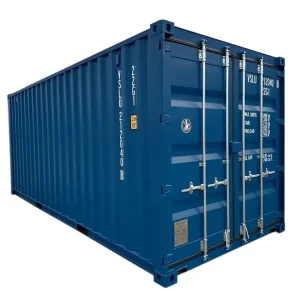
The twenty-foot equivalent unit (TEU)—codified under international designation ISO 668 (1CC and 1C series)—represents the indisputable mechanical anchor of multimodal transport. While 40ft containers dominate high-cube consumer dry cargo, the 20 feet shipping container remains the unmatched global baseline for dense, high-mass commodity transfer, hazardous ISO fluid containment, remote infrastructure integration, and localized storage resilience. At Tianjin Cimic Imp&Exp Co., Ltd. (CIMIC Group), our production heritage traces back to 1983, consolidating four decades of continuous refinement in structural metallurgy, automated submerged arc welding, and marine corrosion mitigation.
The fundamental structural challenge of an industrial 20ft dry or specialized container lies in its localized point-load endurance. Built with SPA-H high-strength atmospheric corrosion-resistant Corten steel, our side panels, roof corrugations, and structural perimeter members undergo high-pressure roll-forming that yields an ultimate tensile strength exceeding 490 MPa. This structural rigidity allows an authentic heavy-duty 20ft intermodal container to support static vertical stacking loads of up to 216,000 kg (equivalent to nine fully laden tiers stacked in a container vessel's cellular hold during high sea state conditions).
Critical Information Gain: Unlike light-duty domestic storage sheds often mislabeled as shipping containers, factory-certified 20ft intermodal equipment must strictly comply with ISO 1496-1 dynamic testing protocols. This includes transverse racking verification up to 150 kN, longitudinal restraint acceleration tests at 2g, and flooring concentrated axle loads reaching 7,260 kg per wheel-print according to modern cargo handling standards.
Modern international logistics requires factories to operate not merely as mechanical assemblers, but as advanced materials engineers. Every production lot leaving our manufacturing clusters in Tianjin and Suzhou—strategically located approximately 100 kilometers from primary deepwater berths—incorporates computerized laser beveling, zero-tolerance robotic seam fusion, and precision casting of ISO 1161 corner fittings evaluated through non-destructive ultrasonic testing.
Analyzing the shift from static steel boxes to high-functionality modular platforms across global industrial supply chains.
Enterprise buyers are moving rapidly toward active fleet tracking. Modern 20ft containers increasingly incorporate pre-engineered recesses for door-open sensors, solar-powered GPS trackers, dynamic payload weight estimators, and internal atmospheric loggers for automated customs documentation.
Procurement teams are moving away from evaluating unit purchasing cost in isolation. Sourcing decisions now center on structural floor life-cycles (marine-grade 28mm keruing plywood vs. composite pultruded planks), sacrificial zinc paint systems, and hinge bushing resilience against high-salinity oceanic atmospheric wear.
The global race toward grid-scale Battery Energy Storage Systems (BESS) and hydrogen transport has caused a surge in demand for reinforced 20ft shells engineered with internal fire barrier linings, structural ceiling cutouts for explosion venting, and high-load base beams capable of holding 30+ metric tons of lithium-ion cells.
| Container Classification | Structural Substrate | Maximum Gross Mass | Tare Weight Tolerance | Primary Industrial Use Case |
|---|---|---|---|---|
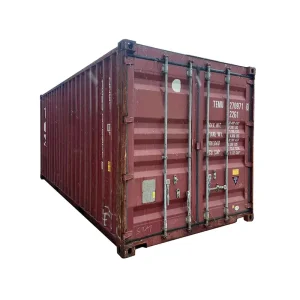
| 20ft Standard Dry (1CC) | Corten SPA-H (1.6mm – 2.0mm) | 30,480 kg (67,200 lbs) | 2,180 kg ± 2% | Dense dry bulk, packaged freight, retail warehousing |
| 20ft High-Cube Platform | High-Tensile Q345D / Corten | 32,500 kg (71,650 lbs) | 2,450 kg ± 2% | Intermodal machinery, industrial automation enclosures |
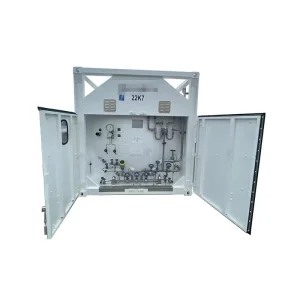
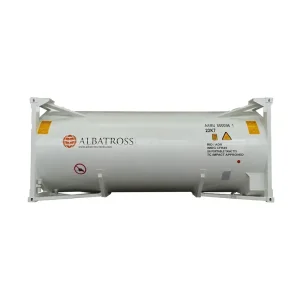
| 20ft ISO T11/T75 Tank | 316L Stainless / Carbon Vessel | 36,000 kg (79,366 lbs) | 3,650 kg ± 3% | Hazardous liquid chemicals, LNG, cryogenics |
| 20ft Offshore DNV 2.7-1 | Micro-alloyed Charpy V-Notch Steel | 15,000 kg (Dynamic Lift) | 3,100 kg ± 2% | Subsea exploration, offshore drilling rig logistics |
| 20ft Expandable Modular | Galvanized Light Gauge + Polyurethane | 5,500 kg (Static Base) | 2,800 kg ± 5% | Rapid-deploy clinics, remote workforce accommodation |
How leading factories configure standard 20ft structural geometries into high-performance mission-critical systems across four major sectors.
Customized 20ft platforms fabricated with thermal barrier insulation (rockwool/A60 ratings), pre-integrated HVAC ducting, structural floor reinforcement for 40-ton battery racks, and NFPA 68/69 compliant deflagration relief panels.
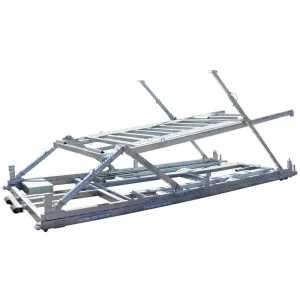
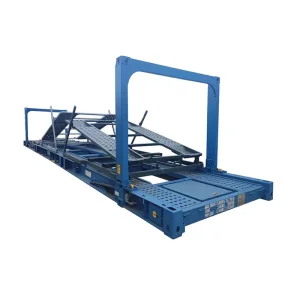
Optimized vehicle transport racks and platform frames designed to fit inside standard 20ft profiles, allowing high-density shipment of commercial autos, heavy agricultural gear, and oversized mining pumps via standard container vessels.
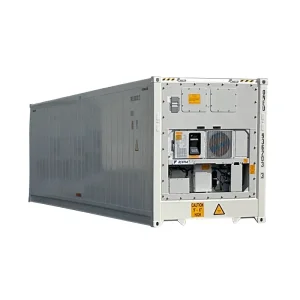
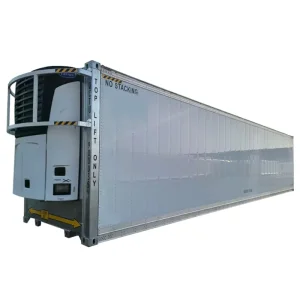
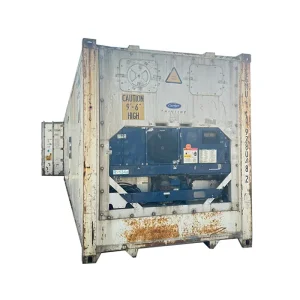
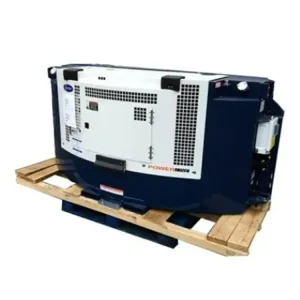
Precision thermal shells utilizing deep-corrugated extruded aluminum T-flooring, cyclopentane-blown polyurethane insulation, and standardized mechanical interfaces compatible with Thermo King, Daikin, and Carrier cooling systems.
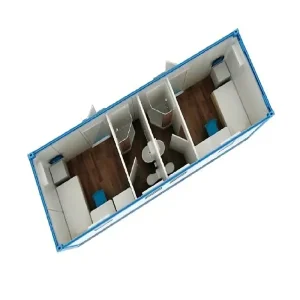
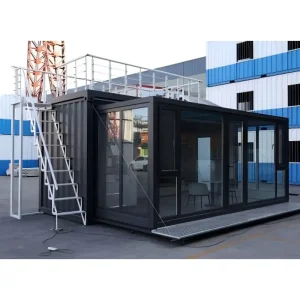
Rapid-deploy modular structures based on 20ft footprints, featuring folding hydraulic mechanisms, integrated thermal bridging barriers, factory-plumbed sanitary modules, and plug-and-play multi-unit stacking locks.
Operating as an internationally acknowledged manufacturer requires strict adherence to global regulatory regimes. When a 20ft container leaves our production floor, it is not merely a piece of fabricated steelwork; it is a legally certified pressure and load-bearing intermodal instrument governed by the International Convention for Safe Containers (CSC 1972).
Every unit produced by CIMIC is fitted with a stainless steel CSC Safety Approval Plate. This plate provides full traceability, documenting country of approval, manufacturing serial ID, maximum operating gross mass, allowable stacking weight for 1.8g, transverse racking test force values, and verified timber quarantine treatment certification (meeting Australian Department of Agriculture, Fisheries and Forestry standards).
For specialized energy, cryogenic, and offshore sectors, our testing protocols exceed standard maritime parameters:
Strategic investments driving the next evolution of 20ft container engineering through 2030 and beyond.
Gradual introduction of hydrogen-reduced electric arc furnace (EAF) Corten coil steel, reducing the cradle-to-gate carbon footprint of each standard 20ft frame by over 45% compared to blast furnace baselines.
Next-gen multi-axis vision-guided robotic welding cells that adapt in real time to micro-tolerances, eliminating human fatigue variance across structural corner post and longitudinal sill seams.
Phasing out traditional tropical hardwood floor panels in favor of glass-fiber reinforced thermoplastic composites, enhancing termite immunity, chemical resistance, and shaving 180kg off unit tare weights.
Thin-film perovskite photovoltaic roof lamination coupled with internal kinetic energy harvesting, enabling reefer and connected telematics platforms to run without external battery recharging.
Direct answers from our senior container engineering division regarding technical specifications, procurement logistics, and OEM modifications.
True ISO containers are constructed with SPA-H Corten steel, heavy hollow-section corner posts, and certified ISO 1161 cast steel corner fittings. They must pass rigorous independent testing (including 216-ton stacking tests, transverse racking, floor deflection under heavy forklifts, and dynamic lifting verification). Storage-grade boxes use commercial mild steel, thinner corrugated panels, and lack the structural framework required for maritime vessel transport.
Standard 20ft dry and high-cube units have highly flexible MOQs due to continuous factory production runs. For tailored OEM/ODM builds—such as side-opening doors, custom heights, specialized internal structural supports, or pre-cut equipment penetrations—the production schedule typically spans 20 to 35 business days following technical drawing approval.
Our multi-stage finishing process begins with automatic centrifugal shot blasting to Swedish Standard SA 2.5, clearing all mill scale. We then immediately apply an inorganic zinc-rich epoxy primer (providing active galvanic protection), followed by a high-build epoxy barrier coat and an exterior aliphatic polyurethane topcoat. The complete system yields a dry film thickness (DFT) exceeding 120 microns, certified for high-salinity C5-M atmospheric zones.
Yes. Our facilities offer full integration manufacturing. We frequently engineer structural mounts, thermal insulation, pre-installed cable trays, ventilation louvers, and certified electrical junction assemblies for Tier-1 genset makers, energy storage integrators, and industrial machinery exporters prior to export dispatch.
Engineered for extreme operating environments—from cold-chain storage and subsea mining to intermodal road and rail logistics.