Immediate dispatch available from multi-port hubs including Tianjin and Suzhou yards. All units rigorously proof-tested according to ISO 1496-1 and maritime classification standards.
Evaluating structural metallurgy, volumetric load efficiencies, and the geopolitical reconfiguration of global intermodal transport fleets.
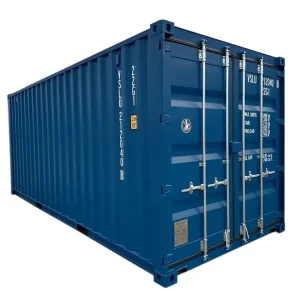
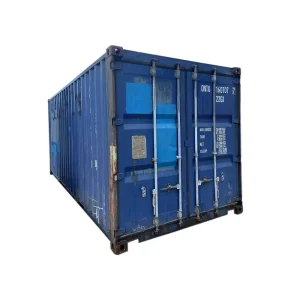
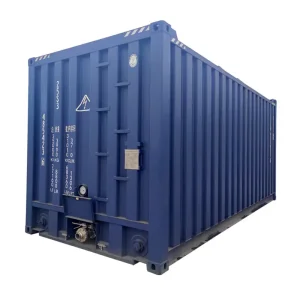
Across the historical architecture of containerization, the 20-foot equivalent unit (TEU) represents the fundamental benchmark of global logistics. Originally defined by ISO 668 parameters, the 20ft dry freight container and its specialized iterations—ranging from active refrigeration reefers to ISO chemical tank units—provide an uncompromised structural balance between volumetric density, dynamic ground axle loading, and vessel stowage geometry. As a world-leading exporter and production matrix operating high-throughput manufacturing bases in Tianjin and Suzhou, Tianjin Cimic Imp&Exp Co., Ltd. (CIMIC) continues to pioneer industrial advancements that convert basic steel enclosures into high-performance, asset-tracked intermodal solutions.
In contemporary maritime, railway, and terrestrial logistics corridors, macro demand shifts demonstrate a pronounced transition toward higher payload ratings and specialized material chemistry. While the conventional 20ft general purpose (GP) container traditionally supported maximum gross weights of 24,000 kg, modern manufacturing standards now establish the standard operational rating at 30,480 kg (67,200 lbs), with custom engineering thresholds reaching 32,500 kg for high-density heavy-machinery transport. This structural elevation requires advanced hot-rolled Corten-A (SPA-H) steel alloys, precision-cast corner fittings certified to ISO 1161, and robotic submerged-arc welding (SAW) regimes that eliminate micro-fissures across primary longitudinal chassis members.
Fabricated exclusively using atmospheric corrosion-resistant SPA-H Corten steel, our structural corner posts, cross-members, and corrugated wall panels produce a dense passivation layer. This natural oxide film actively curtails oxidation penetration rates even under continuous salt-spray exposure along transatlantic and transpacific trade lanes.
For dense, high-mass materials—such as metallic ores, stone slabs, heavy liquid chemicals, and specialized machinery—the 20ft profile prevents vehicle chassis axle overloading while maximizing ship deadweight carrying capacity, presenting a 35% lower per-unit floor pressure footprint than standard 40ft designs.
Due to unmatched modular versatility across storage, field mining deployment, and modular architecture conversions, high-specification 20ft containers maintain significantly higher secondary market capital retention values (residual value exceeding 65% after 10-year maritime life) compared to single-purpose equipment.
A granular deconstruction of factory-direct procurement workflows, quality inspection criteria, and shipping optimization from Chinese export ports.
Enterprise procurement directors managing transcontinental shipping lines, intermodal rail logistics firms, energy conglomerates, and container leasing giants require far more than transactional hardware suppliers. Industrial container sourcing demands an audit of total operational lifecycle economics. A premature floor failure resulting from non-compliant apitong wood moisture thresholds, or delamination of internal zinc coatings, exposes procurement organizations to tens of thousands of dollars in maintenance, cargo damage claims, and maritime safety detentions at destination port terminals.
By bypassing third-party trading intermediaries and procuring directly through CIMIC's automated industrial facilities, global enterprise buyers achieve substantial capital advantages. Direct factory-level engagement ensures comprehensive material traceability: every mill sheet of Corten steel is matched with mill test certificates (MTC), every weld seam undergoes automated non-destructive examination (NDE), and every batch of finished containers is subjected to destructive corner post compression and racking verification under the direct oversight of Bureau Veritas (BV) or Lloyd's Register surveyors.
| Dimensional & Mechanical Metric | 20ft ISO Dry Cargo (Standard) | 20ft ISO High-Cube (HC) | 20ft ISO Reefer (Cold Storage) | 20ft ISO Tank (Liquid/Chemical) |
|---|---|---|---|---|
| External Dimensions (L × W × H) | 6,058 × 2,438 × 2,591 mm | 6,058 × 2,438 × 2,896 mm | 6,058 × 2,438 × 2,591/2,896 mm | 6,058 × 2,438 × 2,591 mm (Frame) |
| Internal Dimensions (L × W × H) | 5,898 × 2,352 × 2,393 mm | 5,898 × 2,352 × 2,698 mm | 5,444 × 2,290 × 2,275 mm | Cylindrical Shell (14kL – 26kL) |
| Tare Weight (Empty Asset) | 2,150 – 2,250 kg | 2,320 – 2,420 kg | 2,950 – 3,250 kg (inc. unit) | 3,450 – 4,100 kg |
| Max Gross Weight (Rating) | 30,480 kg (67,200 lbs) | 30,480 kg (67,200 lbs) | 30,480 kg (67,200 lbs) | 36,000 kg (Standard ISO frame) |
| Internal Usable Volume | 33.2 m³ (1,172 cu.ft) | 37.4 m³ (1,320 cu.ft) | 28.3 m³ (1,000 cu.ft) | 21,000 to 26,000 Liters |
| Primary Floor Material | 28mm Hardwood Marine Plywood | 28mm Hardwood Marine Plywood | Extruded Aluminum T-Floor | N/A (316L Stainless Steel Vessel) |
| International Certifications | ISO 1496-1, CSC, TIR, UIC | ISO 1496-1, CSC, TIR, UIC | ATP, ISO 1496-2, CSC, BV | ASME, IMDG, ADR/RID, ISO 1496-3 |
From full side-opening bifold doors, double-end doors, and roll-up shutters to custom floor reinforcements for 9-ton forklift axle loads, our in-house CAD/CAM engineering team creates validated structural blueprints matching specific logistical handling regimes.
Strategically situated within 100 kilometers of the core port complexes of Tianjin and Shanghai/Suzhou, finished new builds can be loaded with export cargo on a "one-way lease" basis, completely negating empty positioning repositioning freight costs to destination terminals.
All units receive zinc-rich epoxy primers topped with heavy-duty acrylic or polyurethane marine finish systems formulated to withstand 1,000+ hours of continuous ASTM B117 salt fog testing. High-security lockboxes, custom corporate liveries, and serialized CSC plates are factory-integrated.
Engineered across five dominant commercial sectors to resolve extreme cold-chain integrity, remote hazardous chemical transport, and structural modular habitation.
Equipped with standardized tunnel recesses, reinforced gooseneck chassis mating structures, and forklift pockets rated for loaded terminal handling, CIMIC standard 20ft containers navigate transfer transitions between ocean cellular container vessels, 80ft flatbed railcars, and highway skeletal chassis without cargo re-handling or transloading risks.
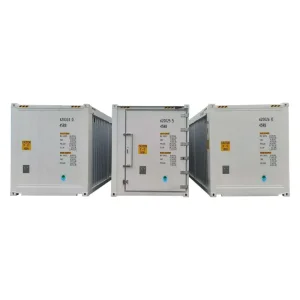
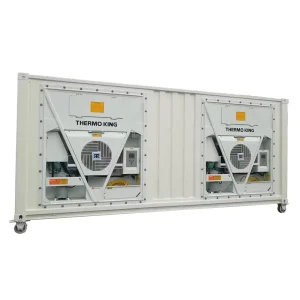
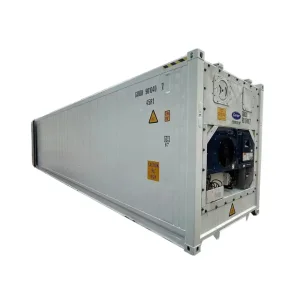
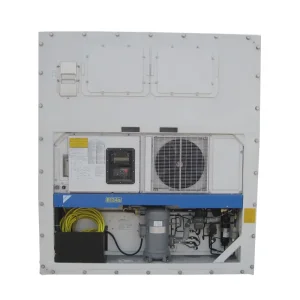
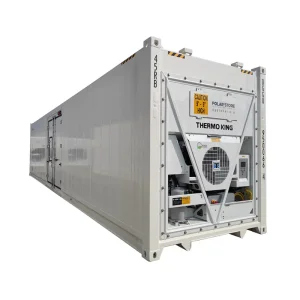
Integrating world-class scroll and reciprocating refrigeration compressors from Carrier, Daikin, and Thermo King, our 20ft refrigerated containers deliver micro-climate precision between -35°C and +30°C. Coupled with high-density polyurethane vacuum-foamed panels, these units ensure perishable fresh produce and pharmaceuticals preserve their cold chain across equatorial sailing corridors.
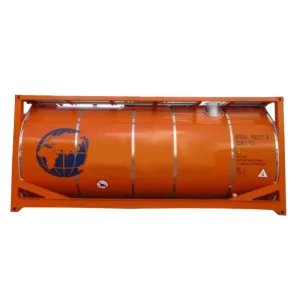
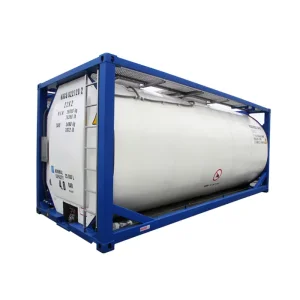
Our ISO-certified 20ft liquid tank containers and specialized heated bitumen/asphalt containers utilize 316L stainless steel shells enveloped by rock wool or polyurethane insulation layers. Equipped with steam, thermal oil, or electric heating coils, they provide safe bulk carriage of food liquids, chemicals, and viscous asphalt under IMDG Code regulations.
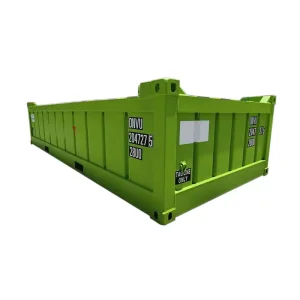
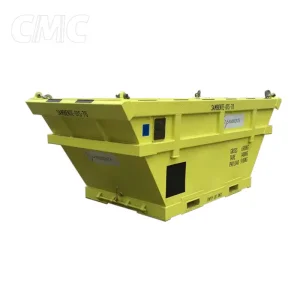
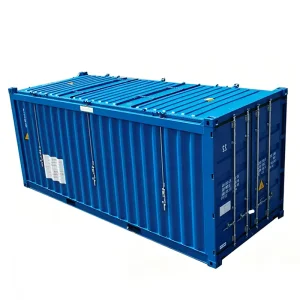
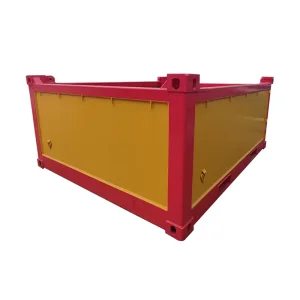
Operating in compliance with DNV GL 2.7-1 and EN 12079 dynamic lifting safety criteria, CIMIC offshore half-height containers, silt baskets, and tool cargo units endure maritime gales and harsh lifting impacts. Fabricated with low-temperature impact-tested steel (-20°C charpy impact rating), they guarantee high-integrity lifting onto offshore rigs.
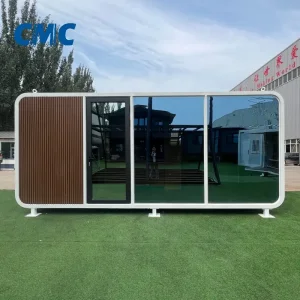
Transforming standardized structural frames into turnkey architectural solutions, CIMIC manufactures luxury prefab capsule houses, 20ft Apple cabin executive office pods, and disaster-relief modular housing. Integrated with fire-rated rock wool thermal envelopes, double-glazed low-E curtain walls, and plug-and-play M&E systems.
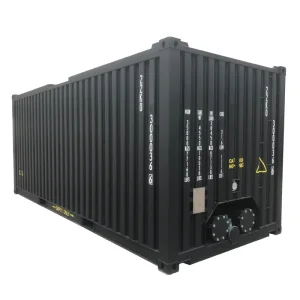
Engineered for renewable energy transition, our customized 20ft battery containers feature internal HVAC thermal management ducts, automated aerosol fire suppression fixtures, NFPA 69 explosion-relief roof hatches, and floor reinforcements designed to bear dense 30-ton lithium iron phosphate (LFP) energy racks.
Exceeding ISO 1496-1 testing metrics: Comprehensive multi-stage destructive load validation, automated painting, and international border clearance.
A shipping container is fundamentally a certified life-safety asset. At sea, dynamic rolling and pitching impose extreme torsional loads on container stacks reaching up to nine tiers high. Under these operational stresses, a failure in corner castings or a buckling of lower-tier vertical corner posts can trigger catastrophic stack collapses. To protect vessel crews and asset owners, CIMIC enforces an exhaustive multi-stage quality control matrix covering every structural component from raw steel coil slitting to final CSC plate rivetting.
Our production facilities utilize automated laser cutting for millimeter-precise corrugation profiling, robotic multi-axis welding heads that deliver consistent penetration welds across high-stress junctions, and environmentally enclosed shot-blasting chambers achieving the Swedish standard SA 2.5 cleanliness rating. Every wooden floor panel is treated with Australian Department of Agriculture, Fisheries and Forestry (DAFF/AQIS) compliant immunizing compounds, preventing insect pest bio-transfer during transcontinental freight processing.
Subjected to hydraulic test rigs applying a 150 kN transverse racking force and vertical stacking loads of 86,400 kg per corner post (simulating a fully laden 9-high container stack under 1.8G dynamic sea accelerations), ensuring zero permanent structural deflection.
Tested under internal pneumatic and mechanical bladders executing 0.4P end-wall pressure and 0.6P side-wall loads. Floor structures endure concentrated test loads applied via an automated dual-wheel 5,460 kg axle cart simulating heavy industrial forklift operations.
Every newly assembled unit undergoes an automated high-pressure water deluge test (nozzles delivering water at 1 bar pressure across all door gaskets and seams). Paint film thickness is continuously audited via ultrasonic DFT gauges to ensure minimum 120-micron total dry film thickness.
Strategic investments in low-carbon metallurgy, composite materials, and telemetric IoT data streams through 2030.
Factory-integrated low-profile cellular, satellite, and Bluetooth sensor arrays tracking internal temperature, relative humidity, door openings, cargo shock vectors, and geofenced real-time transit locations.
Transitioning primary structural sheet sourcing to Electric Arc Furnace (EAF) and direct reduced green-hydrogen steel to lower embodied Scope 3 carbon emissions by over 45% per finished TEU.
Replacing traditional bamboo and hardwood plywood with recyclable thermoplastic honeycombs and continuous fiber-reinforced composites to cut tare weight by 180 kg while extending asset floor lifespans.
Deploying kinetic vibrational harvesters and thin-film solar rooftop laminates to continuously power internal reefer data loggers and remote condition monitoring nodes without drawing external battery power.
Direct, engineering-backed answers regarding structural specifications, maritime legal compliance, custom manufacturing lead times, and global port dispatch.
Precision-manufactured units covering offshore DNV certification, heated asphalt transport, blast-freezer cold chains, and luxury modular architectural pods.