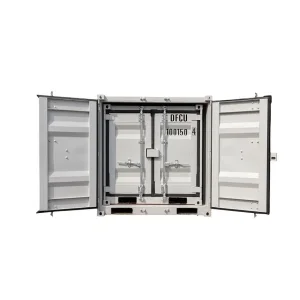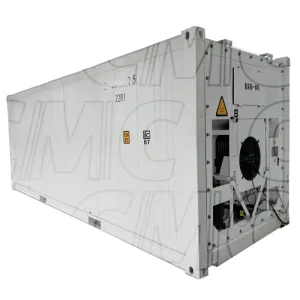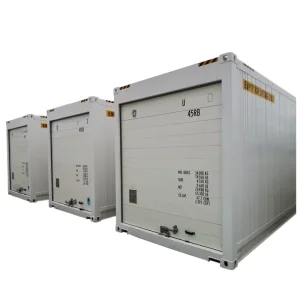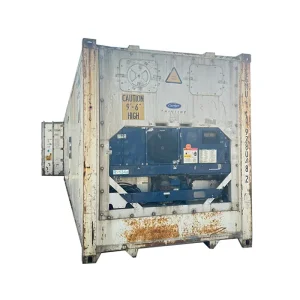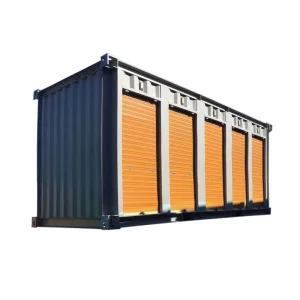
Enterprise-grade intermodal and specialized containment units engineered to withstand demanding global maritime, rail, and highway routes.
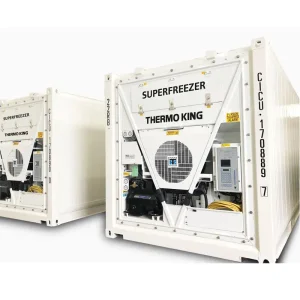
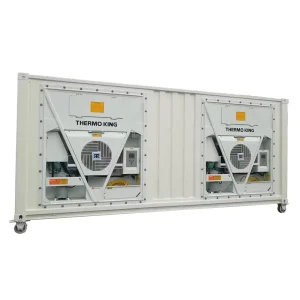
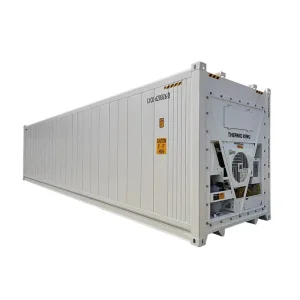
Analyzing structural containerization demands, energy storage expansion, cold-chain integrity, and intermodal freight resilience across major global corridors.
Global supply networks are aggressively shifting high-density freight toward low-emission electrified rail and consolidated maritime corridors. Transport containers must deliver exceptional tare-weight-to-payload ratios without compromising corner casting shear capacity or vertical stacking structural rigidity under maximum allowable loads.
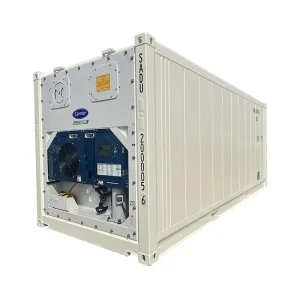
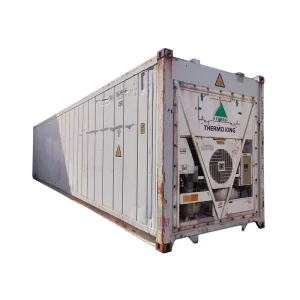
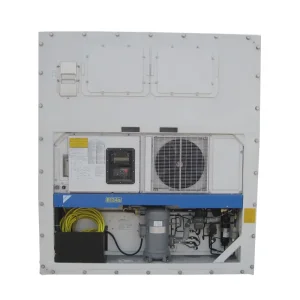
The explosive demand for shelf-stable pharmaceuticals, fresh produce, and seafood has shifted reefer technology from basic chill boxes to microprocessor-controlled atmosphere (CA) systems. Modern reefers maintain microclimates between -35°C and +30°C, recording continuous telemetry data required by global health authorities and food safety watchdogs.
Beyond traditional freight, transporting container skeletons serve as the structural framework for electrochemical Energy Storage Systems (BESS), mobile hyperscale data centers, and flat-pack modular site offices. These custom architectures require fire-retardant wall panelling, integrated HVAC routing, and customized structural cutouts.
An uncompromising analysis of raw material integration, automated continuous fabrication, and deep maritime logistic synergies.
China manufactures over 90% of global transporting containers due to immediate upstream integration with state-of-the-art blast furnaces producing weathering SPA-H Corten steel. This atmospheric corrosion-resistant alloy forms a protective patina layer when exposed to coastal salt spray, granting shipping containers standard 15-to-25-year operational service lives without structural fatigue.
Tianjin Cimic’s manufacturing workflows leverage synchronized robotic multi-axis submerged-arc welding for floor longitudinals and vertical corner posts. Automated shot-blasting reaches SA 2.5 purity before an electrostatic tri-coat epoxy primer, polyurethane intermediate, and acrylic topcoat system is baked on, guaranteeing zero rust intrusion under aggressive ISO salt spray ratings.
Situated within roughly 100 kilometers of the primary maritime terminals of Tianjin and Suzhou, completed containers transition from quality control inspection directly onto vessel berthing queues. This geographical proximity eliminates inland transport tariffs, protects newly fabricated containers from transit scuffing, and enables rapid dispatch of multi-TEU batches.
Every standard dry freight unit and custom ISO build undergoes rigorous weather-tightness verification via high-pressure water spray tests exceeding 200 kPa. Structural load tests replicate an aggregate stack weight of up to 216,000 kg (9-high laden stacking), confirming corner post stability under full CSC (Convention for Safe Containers) requirements.
Examining field-deployed containment architectures across marine, offshore extraction, remote infrastructure, and volatile chemical storage.
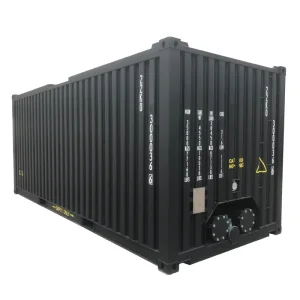
Marine environments subject containers to intense dynamic shock forces during platform craning. Offshore modules feature heavy-duty integrated pad eyes, offshore lifting slings, marine-grade continuous seam welds, and structural steels certified for low-temperature impact resilience (-20°C to -40°C).
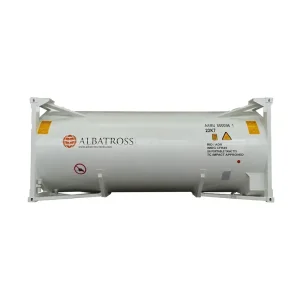
Transporting volatile petrochemicals or heated paving asphalt necessitates double-skin ISO tank containers and internally coiled bitumen containers. Equipped with high-efficiency heating tubes (flame or electric) and thick mineral wool insulation, our 25,000L tank containers comply with ASME Section VIII and IMDG requirements.
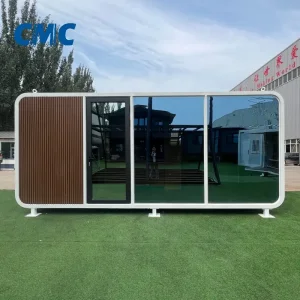
Turnkey Apple Pod cabins and flat-pack site offices provide scalable camp installations for mining sites and agricultural storage. Built with galvanized steel structural posts, PIR/rockwool sandwich insulation, pre-integrated electrical circuits, and secure roll-up or sliding access systems.
Comparative technical metrics for procurement officers, logistics planners, and marine architects evaluating structural ratings.
| Container Classification | Structural Material | Internal Volume | Max Gross Mass (MGM) | Thermal / Mechanical Range | Applicable Standards |
|---|---|---|---|---|---|
| 20ft Standard Dry Cargo (Roll-Up / Double Door) | SPA-H Corten Steel (1.6 - 2.0mm) | 33.2 m³ (1,172 cu ft) | 30,480 kg (67,200 lbs) | Ambient (-40°C to +80°C) | ISO 1496-1, CSC, TIR, UIC |
| 40ft High Cube Reefer (Cold Room / Freezer) | Muffler Stainless Steel / HG60 Foam Core | 67.7 m³ (2,390 cu ft) | 34,000 kg (74,950 lbs) | -30°C to +30°C (Daikin/Carrier/TK) | ISO 1496-2, BV, ATP, ClassNK |
| 20ft ISO Liquid / Gas Tank Container | 316L Stainless Steel / SANS 50028-7 | 21,000L - 25,000L | 36,000 kg (79,365 lbs) | Steam/Electric Coils up to 130°C | ASME VIII, IMDG T11/T14, RID, ADR |
| Offshore Half-Height Ore / Cargo Carrier | EN 10025-S355 Heavy Structural Steel | 16.5 m³ (Customized) | 18,000 - 25,000 kg | Impact Rated at -20°C | DNV 2.7-1, EN 12079, Lloyd's Register |
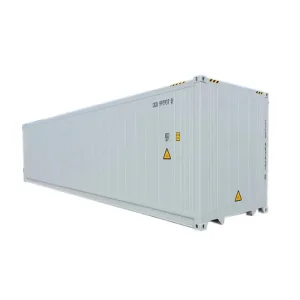
| 40ft Thickened Passive Insulated Container | Weathering Steel + PU Sandwich Panel | 65.4 m³ (2,310 cu ft) | 32,500 kg (71,650 lbs) | Passive K-Value < 0.35 W/m²K | ISO 1496-2, TIR, CSC Approved |
Critical market shifts guiding institutional fleets, maritime operators, and engineering EPC procurement specialists.
Standard containers are evolving into intelligent tracking hubs. Modern enterprise procurement mandates pre-installed satellite and 5G cellular sensors monitoring door tampering, internal barometric pressure, sudden G-force impacts, and live reefer evaporator performance.
Driven by the Kigali Amendment and European F-Gas regulations, cold-chain buyers are transitioning toward refrigeration equipment charged with natural CO2 (R-744) or low-GWP refrigerants (R-513A). Variable-speed DC inverters decrease auxiliary fuel draw on generator sets by up to 35% during long-haul intermodal hauls.
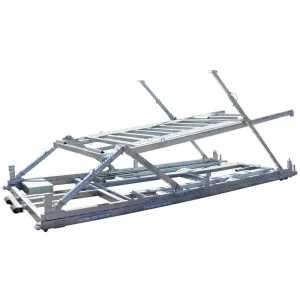
Logistics operators are moving away from one-size-fits-all containers. Growing order books feature side-opening doors for rapid forklift operations, extra-height roll-up mechanisms for regional retail cross-docking, and specialized multi-tier vehicle transport racks that optimize automotive export capacity.
In-depth engineering answers addressing certifications, structural durability, lead times, and global shipping logistics.
Explore high-cube insulations, vehicle shipping racks, mini nested configurations, and solar DC inverter reefer innovations.