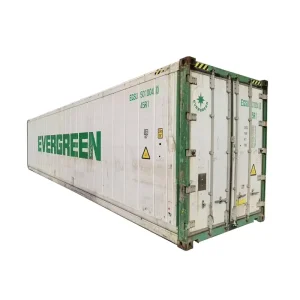
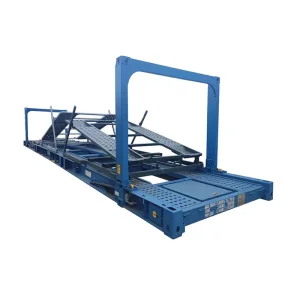
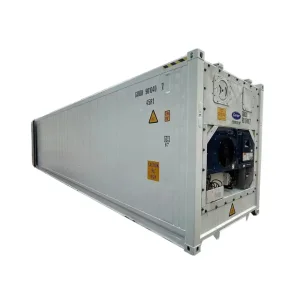
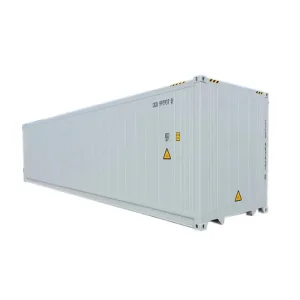
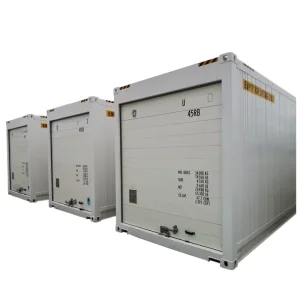
Explore certified high-cube refrigeration suites, heavy-duty dry vans, open-handling offshore units, and specialized transit containers engineered under strict ISO 9001 and Bureau Veritas maritime oversight.
In modern intermodal freight economics, the transition from standard 8-foot-6-inch (8'6") containers to 9-foot-6-inch (9'6") High Cube (HC) sea cans represents the single most vital operational pivot of the past three decades.
High Cube sea cans, specifically standardized in the 40ft (ISO 1EEE) and 20ft (ISO 1CCC) formats, have fundamentally altered global maritime and land-bridge logistics. By expanding vertical clearance from 2,591 mm to 2,896 mm, High Cube architecture yields an internal usable cubic volume increase of roughly 344 cubic feet (9.73 m³)—jumping from the standard ~67.7 m³ up to ~76.4 m³ for a typical 40ft dry box. In a trade climate where fast-moving consumer goods (FMCG), light electronics, electric vehicle (EV) battery components, oversized industrial machinery, and palletized agricultural harvests dictate freight profiles, deadweight mass is rarely the bottleneck; volume exhaustion ("cubing out") is.
Consequently, High Cube boxes now account for upwards of 78% of the world's 40-foot container production fleet. For multinational enterprise procurement directors and third-party logistics (3PL) carriers, deploying High Cube configurations slashes cost-per-cubic-meter by 11% to 14% on transpacific and Eurasian rail routes. Beyond standard cargo, High Cube structural dimensions have become the mandatory standard platform for mobile battery energy storage systems (BESS), offshore equipment transport, and sophisticated refrigerated transport suites where floor-recessed T-bars and insulated ceiling drops diminish vertical space.
Extra 305 mm vertical room allows double-stacking of standard Euro pallets (1200x800mm) and ISO pallets (1200x1000mm) with optimal overhead airflow for humidity-controlled perishables.
Engineered with SPA-H high-strength atmospheric corrosion-resistant steel, capable of withstanding 9-tier stacked loads equivalent to 192,000 kg gross weight under dynamic ocean pitching.
The universal baseline for data centers, microgrid power converter substations, and offshore offshore rig modules where ceiling clearance must accommodate heavy cable trays and HVAC ducts.
Tianjin Cimic Imp&Exp Co., Ltd. (CIMIC Group) leverages four decades of manufacturing resilience to execute high-tolerance container engineering, combining automated line assembly with direct port discharge.
More than 92% of the world’s maritime intermodal equipment originates from Chinese manufacturing corridors. This dominance is not simply driven by labor availability; it is rooted in vertical supply-chain consolidation that cannot be duplicated elsewhere. CIMIC’s modern industrial facilities in Tianjin and Suzhou are located within 100 kilometers of northern and eastern deepwater sea berths (notably Tianjin Xingang Port and Shanghai/Taicang maritime clusters). This geographic proximity translates to nominal drayage costs, instantaneous factory-to-vessel loading, and immediate CSC (Convention for Safe Containers) survey certifications prior to marine stowage.
At our manufacturing facilities, every High Cube sea can is formed from genuine atmospheric corrosion-resistant Corten steel (Grade SPA-H / JIS G3125), characterized by a minimum yield strength of 345 MPa and ultimate tensile strength of 490 MPa. Robotic plasma cutting, automated submerged arc corrugation stamping, and eight-stage shot-blasting (SA 2.5 cleanliness standard) eliminate mill scale before applying a dual-pass zinc-rich epoxy primer and heavy polyurethane marine topcoats with Dry Film Thickness (DFT) rigorously monitored between 120 and 150 microns.
| Specification Parameter | 40ft High Cube Dry (1EEE) | 40ft Standard Dry (1AA) | 40ft HC Cold Chain Reefer | Offshore Heavy Cargo Basket |
|---|---|---|---|---|
| External Height (mm / ft) | 2,896 mm (9'6") | 2,591 mm (8'6") | 2,896 mm (9'6") | Variable / Half-Height Spec |
| Internal Cubic Capacity | 76.4 m³ (2,698 cu.ft) | 67.7 m³ (2,390 cu.ft) | 67.3 m³ (Net usable after ducts) | Open Top / Heavy Low-CG |
| Base Frame Metallurgy | SPA-H Corten-A Steel | SPA-H Corten-A Steel | MGSS / Corten / Stainless 304 | High Yield Carbon Steel (DNV Spec) |
| Maximum Gross Mass (MGM) | 32,500 kg (71,650 lbs) | 30,480 kg (67,200 lbs) | 34,000 kg (74,950 lbs) | Project Specific Dynamic Rating |
| Floor Structural Rating | 28mm Marine Keruing (7,260kg axle) | 28mm Plywood / Bamboo composite | Extruded Aluminum T-Floor | Reinforced Diamond Chequer Plate |
| Thermal Insulation | Uninsulated / Passive Liners | Uninsulated Dry | Cyclopentane-blown PU Foam | Open Atmosphere / Heavy Coat |
| Certification Standard | ISO 1496-1, BV, CSC | ISO 1496-1, BV, CSC | BV, ISO 1496-2, ATP, TIR | DNV 2.7-1, EN 12079, Lloyd's |
High Cube sea cans have evolved far beyond ordinary freight packaging. Today, they serve as engineered modular enclosures for mission-critical infrastructure across continents.
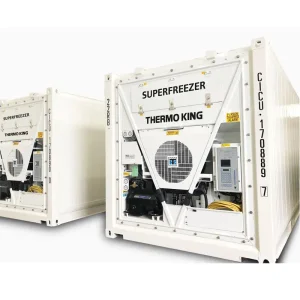
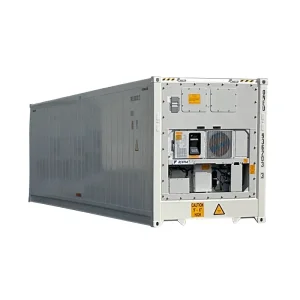
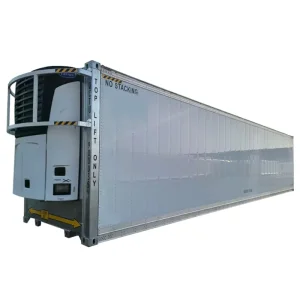
Integrated with high-efficiency Daikin LXE10E, Carrier Transicold PrimeLINE, or Thermo King Magnum Plus condensing units, our 40ft High Cube reefers maintain ultra-stable temperatures from -35°C to +30°C for seafood, bio-pharmaceuticals, and seasonal fruit harvests.
Custom ODM engineering adapts High Cube frames into fire-rated, seismically reinforced enclosures for utility-scale Lithium-Iron-Phosphate (LFP) battery systems, incorporating explosion-relief hatches, FM-200 fire suppression channels, and liquid-cooling hookups.
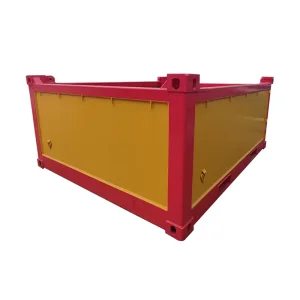
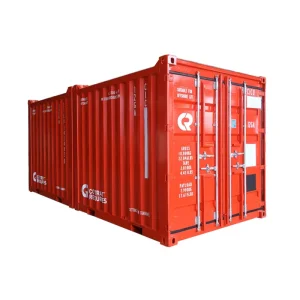
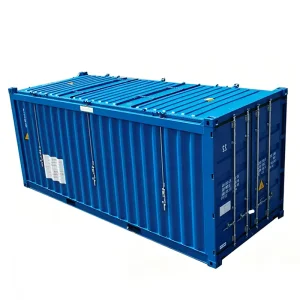
Engineered to DNV 2.7-1 / EN 12079 structural tolerances, CIMIC offshore dry cargo containers and heavy baskets withstand dynamic offshore crane lifting at severe sea states, saltwater spray, and offshore petrochemical plant atmospheres.
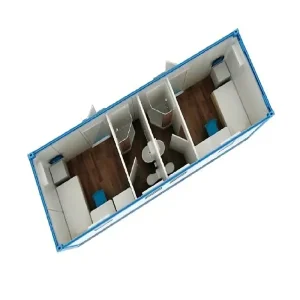
The extra vertical foot allows standard residential ceiling heights (2.4m net interior clear) after floor framing, acoustic insulation, and ceiling plumbing are installed, creating rapid-deployment accommodation pods for remote mining and infrastructure ventures.
A data-backed financial evaluation framework designed for supply chain managers, procurement executives, and equipment leasing firms balancing upfront capital expense against multi-year operational integrity.
Corporate procurement decisions frequently hinge on whether to acquire brand-new "one-trip" factory containers or source certified used units from active ocean loops. At CIMIC, we supply both tiers with complete transparency regarding condition, structural longevity, and financial depreciation.
New One-Trip High Cube Units: Built directly in our Tianjin or Suzhou plants, these containers carry zero rust, factory-fresh zinc-rich paint systems, pristine 28mm hardwood floors, and a 10-to-15-year marine operating lifespan. They arrive loaded with cargo on their initial export leg ("one-trip"), effectively absorbing primary ocean carriage tariffs and delivering pristine physical condition to destination ports across Europe, North America, Oceania, and Africa.
Certified Used Sea Cans (IICL-5 & Cargo Worthy CW): Procured through our strategic port stockpiles at major Chinese export gateways, these units are thoroughly vetted, repaired to IICL-6 standards, guaranteed wind-and-water-tight (WWT), and fitted with valid CSC plates. While displaying superficial paint fading and cosmetic dings, they present a 35% to 50% capital reduction, making them ideal for stationary agricultural cold rooms, mining tool storage, and inland intermodal shuttles where pristine cosmetics are secondary to watertight structural integrity.
We provide FOB Tianjin / Qingdao / Shanghai, CIF major global destinations, or "Cabotage One-Way Free Use" terms, allowing qualified corporate buyers to move containers loaded with third-party freight to offset transit costs.
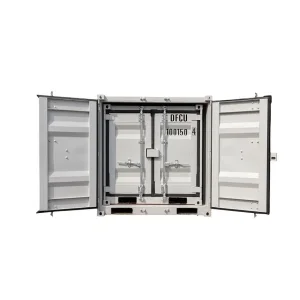
Options include custom roller doors, side-opening full bi-fold leaves, tailored floor tie-down tracks (airline tracks), specialized anti-corrosive linings, dual electrical voltages (380V/460V 3-phase), and custom corporate RAL color coats.
Each container is delivered with manufacturer’s structural test certificates, CSC safety plates, timber treatment declarations (Australian Department of Agriculture quarantine compliant), and class certification documentation.
The shipping container is no longer an inert steel box. The integration of edge IoT computing, sustainable circular materials, and solar refrigeration is reshaping international fleet standards.
CIMIC containers can be factory-prefitted with roof-recessed solar-powered tracking nodes delivering real-time satellite GPS, cargo door opening alarms, temperature mapping, vibration detection, and wireless reefer diagnostic controls.
Full transition to ultra-low VOC waterborne coatings and zero-solvent thermal barrier ceramics, reducing factory carbon emissions by 40% while preserving maritime salt-fog resistance for 15+ years of continuous service.
Addressing deforestation restrictions, we provide sustainably farmed bamboo-veneer composite flooring and 100% recyclable glass-fiber-reinforced polymer (FRP) decking with superior shear strength and antimicrobial resistance.
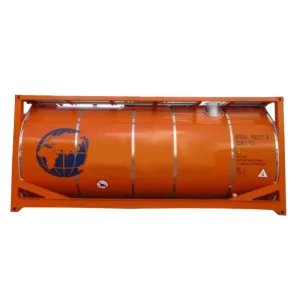
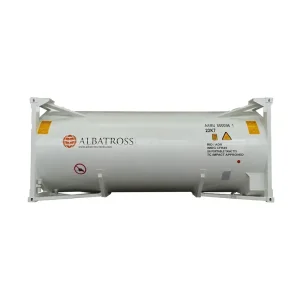
Browse our expanded industrial inventory including cryogenic ISO gas tanks, liquid containment units, multi-size nesting storage boxes, modular living cabins, and heavy open-top shipping gear.
Comprehensive answers formulated by our lead marine structural engineers and export logistics directors to guide bulk procurement, custom modifications, and regulatory compliance.
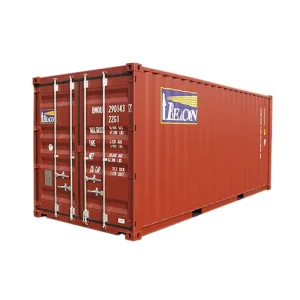
Standard dry shipping containers (ISO standard 1AA for 40ft and 1CC for 20ft) feature an external height of 2,591 mm (8 feet 6 inches) and an internal usable height of roughly 2,393 mm (7 feet 10 inches). High Cube shipping containers (ISO standard 1EEE for 40ft and 1CCC for 20ft) measure 2,896 mm (9 feet 6 inches) externally and 2,698 mm (8 feet 10 inches) internally. This gives precisely 305 mm (1 foot) of additional interior vertical height. For a 40ft dry unit, this increases cubic volume from 67.7 m³ (2,390 cu.ft) to 76.4 m³ (2,698 cu.ft), an expansion of ~9.7 m³ (344 cu.ft) with zero penalty on container footprint.
We partner directly with the global leaders in marine refrigeration: Thermo King (Magnum Plus and SuperFreezer units), Carrier Transicold (ThinLINE, PrimeLINE, and X4 series), and Daikin (LXE10E and ZePIE series). Buyers can designate their preferred refrigeration system to guarantee seamless alignment with their local technician network, warranty infrastructure, and regional spare part inventories across Europe, the Americas, Africa, and the Middle East.
Every CIMIC intermodal container is manufactured under an ISO 9001 certified quality control management system and inspected by accredited international classification societies, primarily Bureau Veritas (BV), ABS, or Lloyd's Register. All dry, reefer, and tank containers include a valid CSC (Convention for Safe Containers) safety approval plate, UIC code approval, TIR customs certification, and compliance with ISO 1496-1 / ISO 1496-2 standards. Offshore containers and baskets adhere strictly to DNV 2.7-1 and EN 12079 dynamic offshore lifting mandates.
For standardized 20ft and 40ft High Cube containers, our minimum order quantity starts at a single unit (1 TEU/FEU) from active port stock. For custom engineered OEM/ODM builds—such as side-opening bi-fold doors, specialized roll-up access doors, reinforced battery storage cabinets, non-standard heights, or tailored internal insulation—the standard production line batch MOQ is typically 2 to 4 units. Custom paint, logo stamping, and interior fittings can be executed even for smaller batches upon engineering consultation.
New build containers are produced at our specialized manufacturing hubs in Tianjin FTA Pilot Area and Suzhou Industrial Corridor, located roughly 100 kilometers from primary deepwater container terminals. Finished units can be staged at berth within 48 to 72 hours of production sign-off. For used and refurbished containers (IICL-5 and Cargo Worthy rated), inventory is maintained directly at port depots across Tianjin, Qingdao, Shanghai, Ningbo, and Shenzhen, enabling immediate ocean dispatch or one-way cabotage loading.
Corten-A (SPA-H JIS G3125 equivalent) is an atmospheric corrosion-resistant alloy enriched with copper, chromium, and nickel. When exposed to outdoor marine salt-fog and changing weather cycles, Corten steel develops a dense, continuous protective patina (iron oxide barrier) on its surface that halts deeper oxygen and moisture infiltration. Unlike structural mild steel, which flakes away and perforates over time, Corten steel's passivation layer extends the structural lifetime of our sea cans to over 20 years in harsh oceanic environments.
Yes. In fact, High Cube containers are the preferred platform for architectural modular construction, mobile mining clinics, telecom shelters, and Battery Energy Storage Systems (BESS). The 2,896 mm exterior height provides ample space for 50–100 mm spray foam or rockwool insulation in floors and ceilings while still leaving a generous 2.4-meter (7'10") net interior clear ceiling height, compliant with international building codes and industrial personnel clearance standards.
Every unit passes a multi-point quality check: 1) Structural dimensional calibration per ISO 668 tolerances; 2) High-pressure watertight rain testing with 200 kPa water jets aimed at gaskets and joints; 3) Light-tight optical inspection for pinholes; 4) Dry Film Thickness (DFT) verification using magnetic gauges; 5) Floor load and door hinge torque tests; and 6) Refrigeration pre-trip inspection (PTI) run for 4-8 hours under full cooling and heating cycles with cold-temperature data logged.