Explore our flagship heavy-duty containment and intermodal equipment, featuring precision-machined ISO container feet and corner castings engineered to withstand critical stacking, lifting, and seismic loads.
In intermodal freight, modular architecture, and extreme-load offshore engineering, shipping container feet (corner castings, twist-lock foundation pads, and structural base blocks) represent the single point of failure or longevity.
Every standard container corner foot is classified into 8 discrete nodal configurations: Top Left (TL), Top Right (TR), Bottom Left (BL), and Bottom Right (BR), with mirrored counterparts. The precise aperture dimensions (63.5 mm x 63.5 mm top apertures, 124 mm elongated side slots) are cold-machined to ensure flawless twistlock engagement and spread bar crane lock-in during sea transport and terminal handling.
Unlike ordinary structural mild steels, high-integrity container feet are cast from low-carbon, normalized alloy steel (equivalent to JIS G5102 SCW480 or ASTM A216 WCA/WCB). This ensures high yield strength (≥ 275 MPa), ultimate tensile strength between 480 and 620 MPa, and an elongation over 24%, preventing brittle rupture during extreme torsional stress on container vessel deck-cell guides.
For Arctic shipping corridors, offshore drilling platforms, and cryogenic ISO tanks, thermal contraction induces severe stress concentrations. Certified container feet manufacturers utilize deoxidized, vacuum-degassed casting melts that achieve impact energy absorption exceeding 27 Joules at -40°C, satisfying the stringent safety thresholds of Classification Societies including Bureau Veritas (BV), ABS, and DNV.
| Foot / Casting Classification | Material Grade | Yield Strength (ReH) | Tensile Strength (Rm) | Impact Test (-40°C / -20°C) | Primary Compliance Standard |
|---|---|---|---|---|---|
| Standard ISO Intermodal Foot (Bottom) | Cast Steel SCW480 / ASTM A216 | ≥ 280 N/mm² | 490 - 630 N/mm² | ≥ 27 J (-20°C) | ISO 1161 / ISO 1496-1 |
| DNV Offshore Dynamic Pad-Foot | Forged / Cast Micro-Alloy LCC | ≥ 345 N/mm² | 520 - 680 N/mm² | ≥ 42 J (-40°C) | DNV 2.7-1 / EN 12079 |
| BESS / Heavy Battery Modular Base Foot | High-Strength Q355D / SCW550 | ≥ 355 N/mm² | 550 - 700 N/mm² | ≥ 34 J (-30°C) | IBC / Seismic Zone 4 |
| Cryogenic Tank Base Nodal Block | Austenitic 304L / Low-Temp Cast | ≥ 310 N/mm² | 530 - 690 N/mm² | ≥ 50 J (-60°C) | ASME Section VIII / CSC |
Over 92% of the world's intermodal ISO shipping container feet, twistlocks, and structural corner nodes originate from industrial casting clusters in China. CIMIC leverages this vertical integration to offer unmatched lead times, metallurgical precision, and total landed cost efficiency.
Our strategic manufacturing facilities in Tianjin and Suzhou utilize automated sand-casting molding lines paired with multi-axis CNC machining centers. This automation guarantees that critical twistlock radii and interior shelf tolerances conform to within ±0.5 mm, eliminating manual grinding defects and ensuring standardized weld-bevel preparation for seamless fusion with Corten steel side rails and vertical corner posts.
Proximity to first-tier domestic steelmakers allows direct procurement of low-residual scrap metal, manganese additives, and anti-corrosive Corten steel alloys. By eliminating intermediary trading houses and secondary handlers, our direct-from-foundry pricing gives overseas fleet operators, modular fabricators, and equipment builders a 15% to 25% cost reduction without sacrificing traceability.
Located less than 100 kilometers from Tianjin Port and Shanghai/Suzhou logistics nodes, CIMIC minimizes drayage expenses and eliminates inland supply chain bottlenecks. Bulk container feet sets, containerized modules, and customized ISO frames are loaded directly into export vessels, with automated customs clearing and guaranteed roll-on scheduling to European, American, and Middle Eastern ports.
Enterprise procurement teams across EPC contracting, defense logistics, cold-chain operations, and battery energy storage (BESS) require standardized container feet that balance structural integrity with swift field deployability.
Global procurement directives strictly forbid non-traceable gray castings. CIMIC delivers every consignment with comprehensive EN 10204 Type 3.1 inspection certificates. This documentation details chemical composition (Carbon, Manganese, Silicon, Sulfur, Phosphorus content) and mechanical verification (yield, tensile, elongation, Charpy V-notch values), satisfying the audit requirements of third-party surveyors.
For automated multi-modal transport lines, manual re-centering of container chassis costs precious terminal minutes. Our container feet undergo laser profile scanning to ensure aperture chamfering perfectly accommodates ISO standard automatic twistlocks, semi-automatic spreaders, and pneumatic container lock heads without binding, gouging, or lateral play.
Enterprises converting ISO containers into hyperscale data center pods, industrial water filtration shelters, or high-density battery energy storage systems (BESS) require specialized foot modifications. CIMIC engineers flanged leveling feet, anchor-bolt base adapter plates, and elastomeric vibration-isolation footings directly bonded to standard ISO corner blocks.
From cyclonic wind zones in coastal Australia to seismic zones along the Pacific Rim and marine splash zones in the North Sea, container feet perform distinct structural roles that mandate localized compliance guarantees.
In North Sea and Gulf of Mexico offshore environments, standard ISO blocks are insufficient for dynamic crane handling in high sea states. Our specialized offshore feet integrate reinforced pad eyes compliant with DNV 2.7-1 and EN 12079, certified for offshore lifting slings with 4-leg bridle arrangements and rigorous non-destructive testing (NDT) to prevent dynamic shear failure.
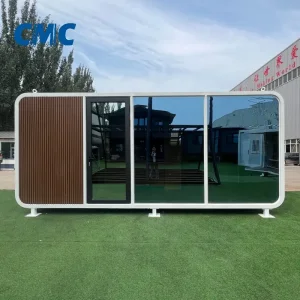
When repurposing shipping containers for modular housing or civil command posts, our engineering team supplies heavy-duty cast steel foundation feet fitted with embedment plates and high-tensile epoxy anchor bolts. These assemblies satisfy international building codes (IBC) and ASCE 7 seismic and wind uplift guidelines, elevating the steel undercarriage above ground humidity to prevent floor rot.
Battery Energy Storage Systems (BESS) concentrate up to 35 metric tons inside a 20ft footprint. CIMIC supplies widened, reinforced base blocks that spread dynamic ground reactions evenly across concrete pier foundations. Incorporating internal cable pass-through conduits and grounding copper terminal lugs, these feet prevent structural skewing during transit and operational lifespans exceeding 25 years.
The shipping container component industry is evolving rapidly from purely passive structural iron castings toward intelligent, eco-engineered, and modular high-efficiency interface nodes.
Next-generation intermodal feet feature integrated recessed cavities capable of housing wireless strain gauges, accelerometers, and GPS/temperature loggers. These sensors monitor structural deflection, dynamic stacking shocks, and cargo weight shifts in real time, transmitting predictive telemetry via satellite networks directly to port and vessel automation platforms.
Traditional zinc-rich primer and chlorinated rubber topcoats suffer micro-fissures from repetitive spreader impact. Emerging production lines are adopting thermal-sprayed zinc-aluminum-magnesium (ZAM) alloys and graphene-doped ceramic coatings. This provides over 3,500 hours of continuous salt-spray resistance (ASTM B117), dramatically extending the maintenance cycle of marine assets.
Civil infrastructure and humanitarian deployments demand toolless setup. Novel quick-cam container leveling feet allow civil workers to level and lock a 40-foot modular container within minutes using ratcheted eccentric cams. These units replace cumbersome crane-supported concrete pouring while maintaining full resistance to lateral wind sheer.
Expert answers prepared by CIMIC metallurgical and structural engineers to address critical procurement questions on tolerances, weldability, safety certifications, and logistics.
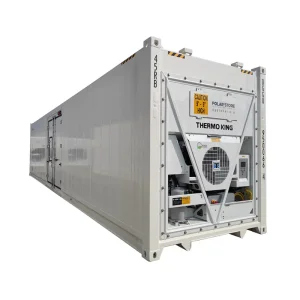
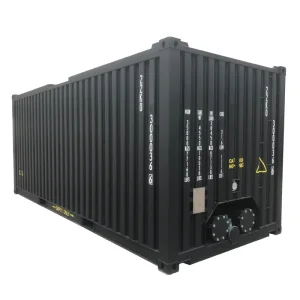
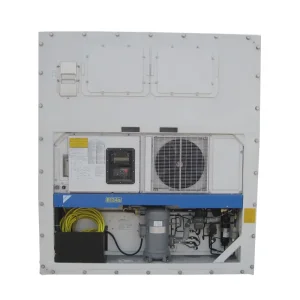
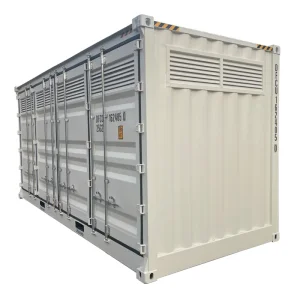
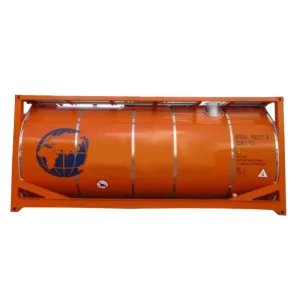
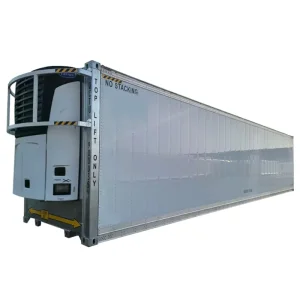
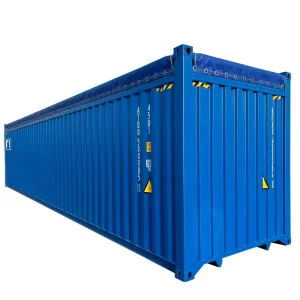
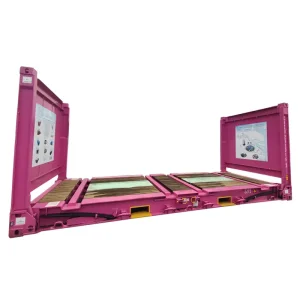
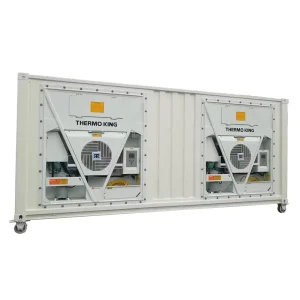
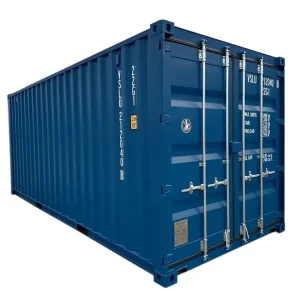
Browse our extended production lineup of certified reefer units, dangerous goods housings, soft-top platforms, and liquid ISO tanks engineered for extreme operational duty worldwide.
CIMIC structural engineers provide CAD/BIM drawing validation, metallurgical test reports, and volume manufacturing schedules tailored to international shipping registries, project developers, and fleet procurement departments.
Submit your detailed CAD specifications or request standard ISO 1161 3D STEP models. Our engineering office responds within 24 hours with exact metallurgical datasheets, dimensional tolerances, and multi-tier pricing schedules.
We coordinate factory audit inspections, casting witness testing, and class stamping with Bureau Veritas, ABS, or DNV prior to export clearance, ensuring risk-free compliance with international customs and safety authorities.
Continuous mold lines and redundant casting capacity protect your delivery dates from raw material market shocks. Benefit from steady vessel departure schedules from our port-adjacent bases in Tianjin and Suzhou.
