Engineered with SPA-H atmospheric corrosion-resistant Corten steel, marine-grade polyurethane insulation, and high-performance refrigeration mechanisms tested to extreme continuous thermal cycles (-40°C to +70°C ambient).
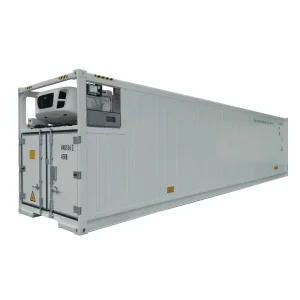
Optimized for continental freight corridors with ultra-thick thermal barriers and dual-fuel active telemetry.
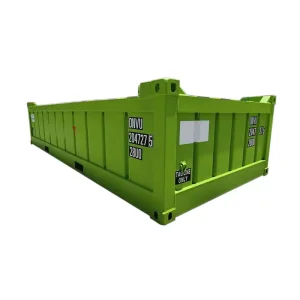
Heavy ore and subsea rigging containment. High-tensile padeyes and dynamic offshore slinging resilience.
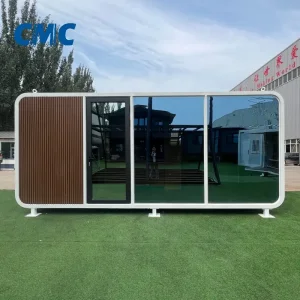
Precision CNC pre-fabricated pods for rapid off-grid workspace, site offices, and executive pods.
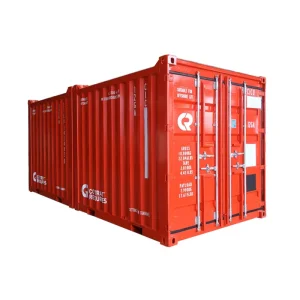
Designed for high-impact platform operations with offshore anti-corrosive multi-tier zinc epoxy primer.
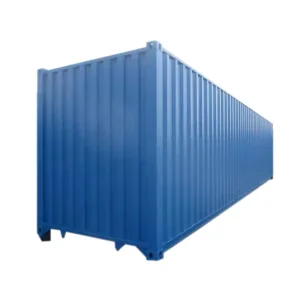
Maximized interior cubic volume (76.2 m³) with multi-point locking rods and 28mm hardwood marine flooring.
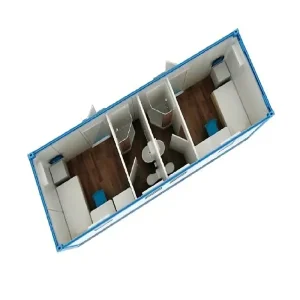
Thermal-insulated modular crew quarters with integrated HVAC conduits, plumbing, and fire-resistant rockwool core.
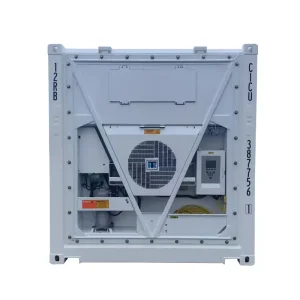
Active offshore cold storage engineered to withstand severe marine motion, saline spray, and heavy deck vibrations.
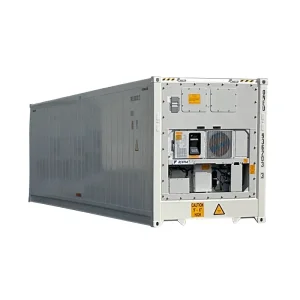
Ultra-precise scroll compressor technology engineered for static industrial pharmaceutical and perishables storage.
The global shipping container market has transcended beyond static oceanic transport boxes into high-precision, intermodal storage and energy asset containment systems driven by decentralized logistics, supply chain decoupling, and specialized modular engineering.
Global demand for temperature-controlled active storage is shifting rapidly toward containerized mobile hubs. With volatile freight markets, pharmaceutical distributors and fresh agricultural producers require plug-and-play active cold storage units (incorporating Daikin, Thermo King, and Carrier scroll units) that deploy without civil engineering permits, maintaining microclimate stability within ±0.25°C tolerances.
Containerized structural envelopes have emerged as the standard chassis for utility-scale lithium-ion and sodium-ion Battery Energy Storage Systems (BESS). Enclosures demand specialized Corten structural members, acoustic dampening, automated fire-suppression manifolds (Novec 1230/FM-200), and integrated liquid cooling circulation channels capable of withstanding thermal runaway containment thresholds.
Offshore exploration across the North Sea, Gulf of Guinea, and Australasia demands certified units conforming to DNVGL-ST-E271 (2.7-1) and ISO 10855. Unlike standard maritime containers, offshore units undergo rigorous Charpy V-notch impact testing at -20°C or -40°C to safeguard cargo integrity during high-acceleration dynamic crane transfers onto floating vessels.
Enterprise procurement directors must conduct thorough structural and metallurgical assessments prior to contracting. The matrix below contrasts critical performance baselines across container classifications to prevent structural failure, thermal loss, and regulatory non-compliance at international ports.
| Container Classification | Structural Metallurgy | Thermal & Wall Core | Load Rating (MGW / Payload) | Mandatory Certifications | Primary Industrial Utility |
|---|---|---|---|---|---|
| Standard Dry Cargo (20ft / 40ft HC) | SPA-H Corten Steel (Corrugation: 1.6mm – 2.0mm) | Passive ventilation; anti-condensation coatings | MGW: 30,480 kg - 32,500 kg; Max: 28,800 kg | ISO 1496-1 CSC BV | General freight, secure jobsite tooling, chemical drum storage |
| Active Reefer Containers | Outer Corten-A / Inner Food-Grade SS304 / AL 6082 | High-density injected PUR (thermal k-value < 0.35 W/m²K) | MGW: 34,000 kg; Floor load: 7,260 kg/m run | ATP Certified TIR ISO 1496-2 | Cold rooms, pharmaceutical distribution, frozen seafood & meat |
| Offshore Rig Containers | C-Mn Structural Steel (EN 10025 S355J2 / S355ML) | Uninsulated or A60 class fire-rated insulation | MGW: Up to 25,000 kg; Dynamic factor: 2.5g – 3.0g | DNV 2.7-1 EN 12079 ISO 10855 | Drilling tool basket, harsh marine subsea supply, rig replenishment |
| Modular Living & Tech Cabins | Galvanized light-gauge frame + Q235B structural tubes | 50mm–100mm Rockwool/PU Sandwich (A-grade fire rating) | Roof load: 1.5 kN/m²; Wind resistance: 210 km/h | CE Structural ISO 9001 | Mining camps, tactical operation hubs, emergency healthcare pods |
| Bulk Liquid Tank Containers | Stainless 316L / 304 (Vessel thickness: 4.2mm – 4.8mm) | Steam heating conduits / Glycol circulation + Rockwool jacket | Capacity: 14,000L – 26,000L; Test Pressure: 4.0 – 6.0 bar | ASME U-Stamp IMDG T11 ADR/RID | Petrochemicals, food-grade edible oils, hazardous solvents |
Operating out of premier manufacturing ecosystems in Tianjin and Suzhou, our manufacturing hubs converge automated robotic fabrication lines with immediate proximity to major world-class deepwater export berths.
Continuous submerged-arc and 6-axis robotic gas-shielded seam welding ensure total structural penetration along all critical corner post joints, roof headers, and bottom side rails, eradicating microscopic pore vulnerabilities.
Every steel profile undergoes automated SA 2.5 centrifugal shot blasting to completely eliminate mill scale and oxidation before application of high-durability zinc-rich epoxy primers, delivering superior bond strength.
From metallurgical spectrometer inspection of incoming hot-rolled coils to 0.4 bar air leakage and weather-tightness water spraying tests, our production lines enforce traceable quality gate check-ins at every phase.
Located within 100 kilometers of Tianjin Xingang and Shanghai/Taicang maritime berths, client orders sidestep costly inter-provincial repositioning, slashing port gate-in transit schedules and handling expenditures.
Containerized structural systems are deployed in rugged climates, remote territories, and critical industrial sectors, solving fundamental challenges across international borders.
In high-latitude or remote agrarian hubs, reefer storage containers serve as seasonal cold buffers during harvest peaks. Units equipped with Carrier and Daikin microprocessors provide controlled atmosphere ventilation to retard ethylene emission, preserving produce quality prior to international auction.
Key Features: T-bar flooring, internal safety door release, digital data-logger USB output.Navigating rough maritime swells requires DNV 2.7-1 certified half-height and dry containers designed for direct hook-up to exploration support vessels. Engineered with certified pad-eyes welded directly to the primary corner castings, they mitigate heavy swing impact when lifted during offshore transfer.
Key Features: Low-temperature impact steel (-40°C), offshore lifting sling assembly, drainage vents.Inner-city and remote infrastructure sites employ side-door opening and roll-up shutter dry containers for rapid-access tool depots. With double doors or customized hydraulic bi-fold walls, contractors load full pallets directly via forklift without requiring long-reach indoor repositioning.
Key Features: Lockboxes with anti-cut shrouds, reinforced side-opening hinges, heavy plywood floor.Comprehensive engineering guidance directly addressing structural standards, customs compliance, material coatings, and bespoke modifications.
Corten-A (SPA-H under JIS G3125) contains specific alloy additions of copper, chromium, and nickel. When exposed to maritime atmospheric cycles, it develops an adhering protective patina (iron oxide skin) that stabilizes within 12–24 months, slowing atmospheric oxidation rates by a factor of 4 to 8 compared to conventional Q235B carbon steel, preventing rust perforations.
Standard ISO containers are designed for uniform multi-point marine stacking on deck cells. DNV 2.7-1 / EN 12079 applies to offshore vessels subject to heavy roll and pitch. It mandates Charpy V-notch toughness testing at -20°C or -40°C, certified lifting padeyes welded to primary corner pillars, non-destructive testing (NDT) on 100% of primary welds, and multi-point lifting tests at 2.5x max gross mass.
For deep freezing (-30°C to -35°C), Daikin scroll compressor machinery with inverter technology delivers optimum steady-state electrical efficiency. For rapid variable pull-down cycles and global service technician availability, Carrier Transicold ThinLINE and Thermo King Magnum Plus units are standard, supported across ports globally.
Under active oceanic shipping conditions, certified new containers operate for 12 to 15 years with minimal maintenance before reaching secondary static storage classification. As fixed onshore storage facilities, Corten-A containers consistently exceed 25 to 30 years of operational service when elevated from soil dampness and coated every 8 to 10 years.
Yes. While basic uninsulated steel walls offer negligible thermal resistance, our engineered modular and accommodation units use continuous polyurethane, PIR, or structural rockwool sandwich panels (thickness 75mm–150mm), achieving U-values as low as 0.22 W/m²K, satisfying European EN 13165 and North American ASHRAE 90.1 energy baselines.
Every export batch is dispatched with comprehensive technical portfolios, including: Certified Mill Test Certificates (MTR) for all steel batches, Bureau Veritas (BV) or Lloyd's Register classification survey reports, CSC safety approval plates, paint DFT inspection reports, and electrical conformity declarations.
From roll-up roller doors and multi-tier car-carrying rigs to heavy-duty mobile diesel generator containers and expandable prefabricated cabins, our factories fulfill complex bespoke operational requests.
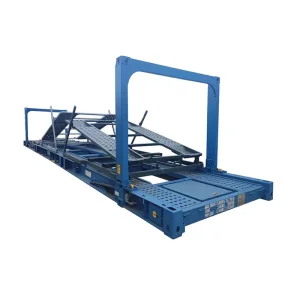
Internal adjustable wheel chocks and structural car-hauler ramps engineered for high-density EV transit.
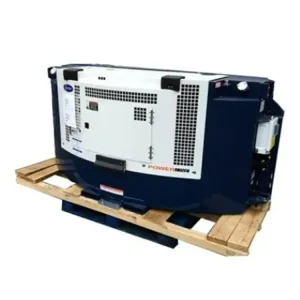
Under-mount and pin-mount self-powered diesel generators providing continuous off-grid refrigeration power.
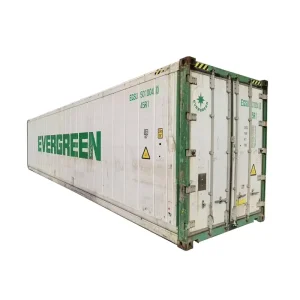
Fully pre-trip inspected (PTI) reefer units held at major Chinese export ports for rapid low-cost deployment.
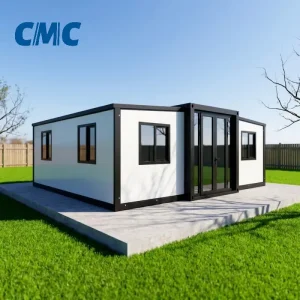
Bi-wing hydraulic fold-out living modules with integrated dual-glazed low-e windows and internal pre-wiring.
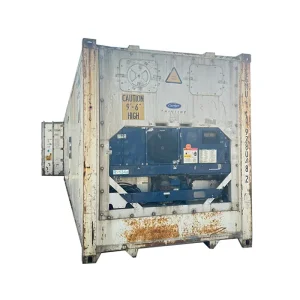
Cost-efficient 40ft HC refrigerated boxes with renewed T-bar flooring and certified cooling gas pressure.
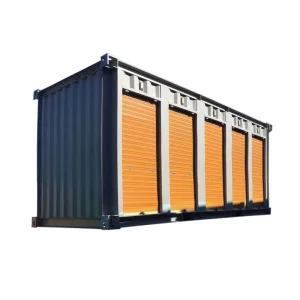
Overhead rolling door access ideal for commercial self-storage parks, retail inventory staging, and workshops.
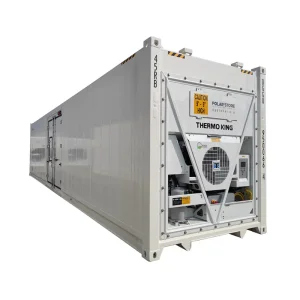
Continuous bi-folding side doors enabling unobstructed forklift side-dock access for oversized chilled commodities.
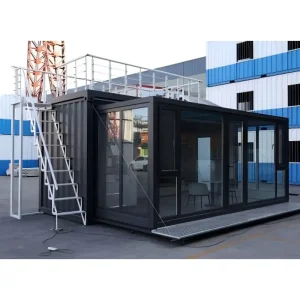
Modular folding housing unit complete with integrated sanitary facilities, electrical busing, and insulated flooring.
