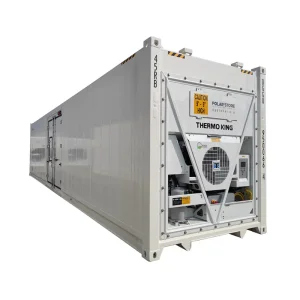
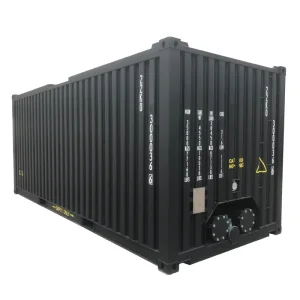
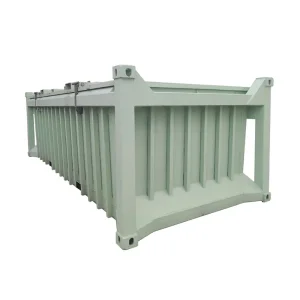
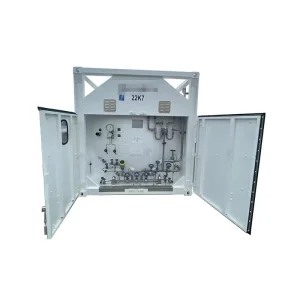
Verified ISO and offshore certified units optimized for precise temperature stability, volatile liquid transport, and harsh marine distribution environments.
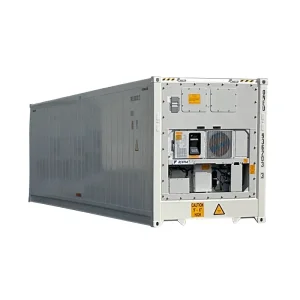
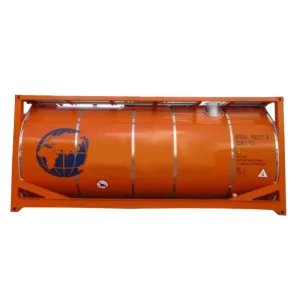
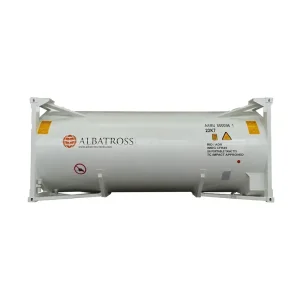
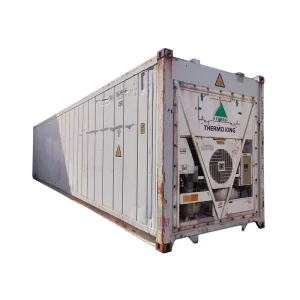
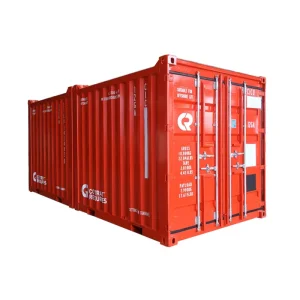
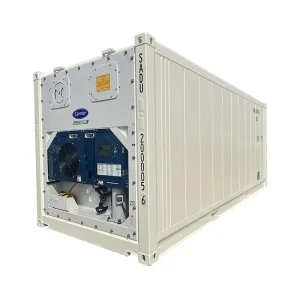
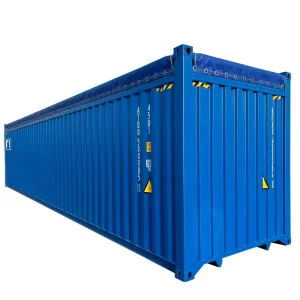
Examining how high-density industrial clusters, precision metallurgy, and port-adjacent assembly create structural competitive advantages for global reefer supply chains.
Fabrication hubs located in Tianjin and Suzhou are within 100 kilometers of deepwater terminals. This proximity slashes domestic drayage expenses, mitigates transit-related structural stress, and guarantees rapid berthing dispatch for outsized or hazardous containers.
From Corten weathering steel sheeting (SPA-H) to Cyclopentane polyisocyanurate (PIR) automated foam-injection lines, raw material availability is fully localized within an hour's radius. This integration guarantees tight lead times and eliminates dependency on cross-border subcomponents.
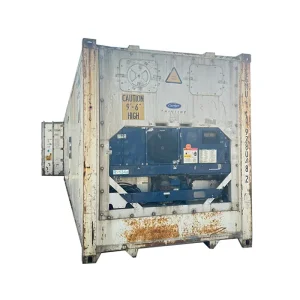
Unlike standard dry-box production, special refrigerated containers require tailored thermodynamics. Chinese assembly lines integrate Daikin, Thermo King, and Carrier systems on a single line, allowing custom dual-temperature zones, side-open layouts, and reinforced roll-up entries.
Smart telematics, ecological refrigerants, and ultra-insulative composites are altering cold-chain expectations across international transit corridors.
Modern reefer modules feature built-in GPS/satellite modems communicating with edge microcontrollers. Logistics operators track precise core temperatures, relative humidity, oxygen/CO2 concentrations, and power-grid fluctuations in real time with predictive failure warnings.
Compliance with global fluorinated-gas mandates is accelerating the transition toward natural and low Global Warming Potential (GWP) alternatives, such as R-513A and CO2 (R-744) units. These refrigerants maintain steady -40°C performance while fulfilling aggressive emissions regulations.
Integrating VIP into standard polyurethane foam walls decreases thermal conductivity (K-value) by up to 28%. This enhancement lowers compressor runtimes, cuts total kilowatt-hour energy demand aboard cargo vessels, and prevents hot spots on cross-desert routes.
Detailed performance benchmarks showing standard commercial configurations versus reinforced ODM industrial units.
| Performance Parameter | Standard 40ft ISO Reefer | ODM Heavy-Duty Arctic/Desert Reefer | Chemical & Tank Container Configuration |
|---|---|---|---|
| Operating Range | -30°C to +30°C | -40°C to +50°C (Extended Ultra-Low) | -50°C to +150°C (Integrated Steam/Electric Heat) |
| Frame Material | Corten-A (Standard Weathering) | Reinforced SPA-H / High-Yield Offshore Steel | 316L Stainless Steel Inner Vessel with 304 Outer |
| Thermal Conductivity (K-Factor) | ~0.38 W/(m²·K) | ≤ 0.30 W/(m²·K) (Enhanced Foam/VIP) | Thickened Mineral Wool / Polyurethane Barrier |
| Refrigeration Machinery | Carrier / Daikin / Thermo King | Dual-Redundant Hybrid Compressors | Optional Zone 1 / Zone 2 ATEX Explosion-Proof |
| Flooring Design | Aluminum T-Floor (Standard Airflow) | Heavy-Duty Flat Anti-Slip / Reinforced T-Bar | Integral Spill-Retention Channels & Drainage |
| Primary Certifications | ISO 1496-2, CSC, TIR | BV Shipping, CSC, DNV 2.7-1 / EN 12079 | ASME Section VIII, IMDG, ADR/RID, ISO 1496-3 |
From dynamic high-sea supply systems to rail-bridge transit, custom thermal containers safeguard sensitive payloads worldwide.
Long rail hauls across Eurasia and North America expose containers to rapid 40°C exterior temperature swings. Reinforced structures resist shunting shocks while maintaining diesel-electric generator continuity across vast, unpowered track lines.
Built to DNV 2.7-1 certification guidelines, offshore units withstand multi-axis dynamic loads during vessel-to-rig crane transfers. Specialized epoxy finishes resist marine salt mist, protecting electrical cabinets and structural corner castings.
Temperature-sensitive APIs, vaccines, and biologics require verified temperature bands between +2°C and +8°C with zero drift. ODM models integrate dual independent cooling systems with automatic failover to secure high-value cargo against compressor downtime.
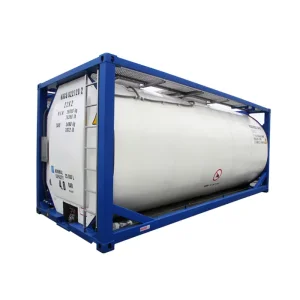
Flammable, corrosive, or volatile cargo requires spark-proof fans, explosion-proof control gear, and built-in liquid containment sumps. These measures satisfy IMDG code mandates for maritime chemical operations.
A technical guide for engineering heads and supply-chain directors vetting custom container manufacturers.
Confirm that Corten SPA-H structural steel comes with mill test certificates verifying yield strengths above 345 MPa. Inspect sub-assembly welding procedures for compliance with AWS D1.1 and ISO 15614-1, which prevent joint fatigue under loaded ocean voyages.
Check that polyurethane insulation maintains a uniform density of 42 to 45 kg/m³ with zero voids. Verify that the factory conducts full air-leakage decay testing to ATP standards, confirming the box does not exceed maximum allowable volumetric loss.
Every refrigeration unit must complete an automated 4-hour pre-trip inspection under ambient load prior to craning. This process confirms heating cycle speed, sub-zero pull-down performance, and proper calibration of return/supply air sensors.
Technical and procurement advice on container configuration, lead times, international certifications, and customization.
Explore our complete range of specialized equipment, from cryogenic tank containers and mining car units to versatile multi-door dry and refrigerated boxes.