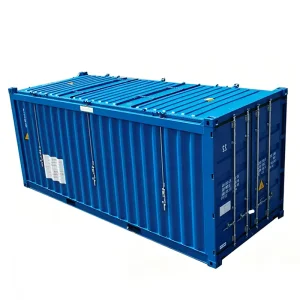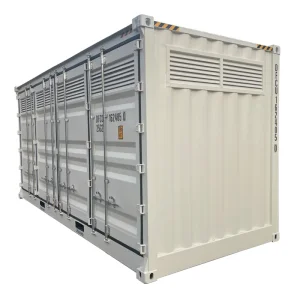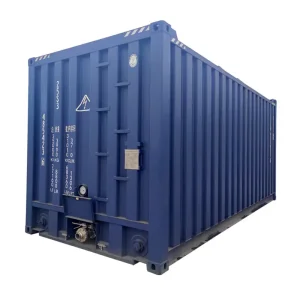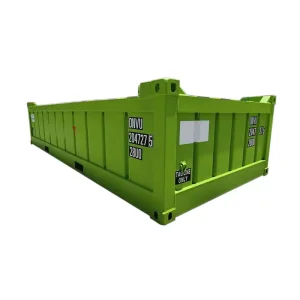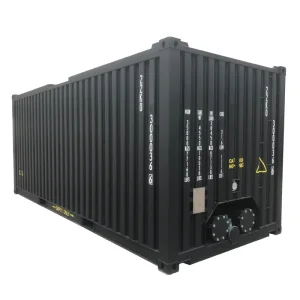
Explore our heavy-duty marine, intermodal rail, and specialized road transport containers engineered to international CSC, ISO, and DNV maritime standards.
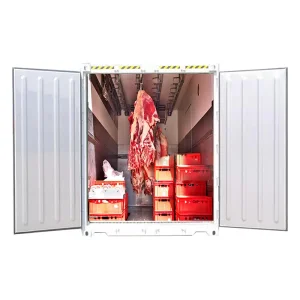
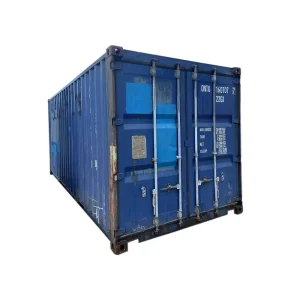
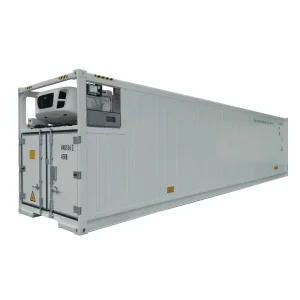
Analyzing structural freight pivots, multi-modal efficiency demands, and the systemic surge in specialized container chassis systems across modern supply chains.
Global container throughput continues to push terminal limits, requiring container chassis trailers with reinforced gooseneck structures, high-tensile steel frames, and rapid-locking twist locks to minimize turnaround dwell times at major deepwater transshipment hubs.
Whether navigating offshore oil exploration fields under strict DNV 2.7-1 regulations or enduring corrosive coastal road salt, trailers and intermodal units must combine marine-grade polyurethane topcoats with shot-blasted SA 2.5 steel preparations to deliver a 15-year design life.
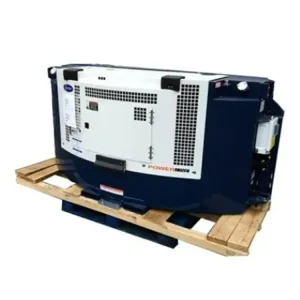
With high-value pharmaceuticals and perishables moving along cross-continental land bridges, specialized reefer chassis equipped with integrated underslung diesel generator sets (gensets) ensure continuous power delivery during long-haul road and rail corridors.
Harnessing robotic welding automation, precision metallurgy, and port-side industrial clusters to deliver unmatched structural resilience and direct factory price advantages.
We deploy high-tensile Q345B and Q690 manganese steels for main chassis I-beams. Computer-modeled submerged arc welding ensures superior yield strength with low tare weight, optimizing maximum road payload capacity.
Fully automated fixture jigs align kingpins, axle brackets, and container twist-lock bolsters within ±1.0mm tolerances, eliminating tracking crabbing, uneven tire scrubbing, and structural fatigue under dynamic highway loads.
Located in core manufacturing belts with direct access to domestic tier-one foundries, WABCO pneumatic braking components, and JOST landing gears, we compress production cycle lead times by 35% compared to Western competitors.
Situated within 100 kilometers of Tianjin port, finished container trailers and units can be rolled onto Ro-Ro vessels or flat-packed into 40ft High Cube containers, sharply reducing FOB freight and mobilization costs.
Detailed technical specifications and estimated baseline price indicators for container chassis and intermodal transport trailers designed for enterprise procurement planning.
| Trailer / Chassis Model | Applicable Container | Payload / Tare | Steel Grade & Frame Spec | Axles & Suspension | FOB Price Estimate (USD) |
|---|---|---|---|---|---|
| 20ft Skeletal Container Chassis | 1x 20ft ISO Standard / Tank | 35,000 kg / 3,800 kg | Q345B High-Tensile 450mm I-Beam | 2x 13T BPW/FUWA, Mechanical Leaf | $7,800 – $9,600 |
| 40ft Gooseneck Container Trailer | 1x 40ft / 2x 20ft / 40HC | 45,000 kg / 5,400 kg | Q345B/Q690 Lightweight Gooseneck | 3x 13T Fuwa, Air or Multi-Leaf | $10,400 – $13,200 |
| 45ft Terminal Bomb Cart (Port Only) | 20ft, 40ft, 45ft Port Containers | 65,000 kg / 7,800 kg | Heavy-Duty Box Beam with Self-Locating Guides | 2x 16T Heavy In-Port Rigid Axles | $11,800 – $14,900 |
| Tri-Axle Reefer Chassis with Genset | 40ft Reefer / Thermo King / Daikin | 40,000 kg / 6,100 kg | Q345B with Under-Chassis Genset Mount | 3x 13T Axles + Underslung Diesel Genset | $14,500 – $18,700 |
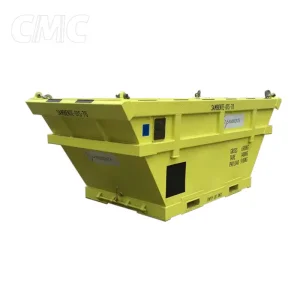
| Multi-Axle Lowbed Container Transporter | OOG & Heavy Offshore Baskets | 80,000 kg / 11,200 kg | HG60/Q690 Ultra-High Yield Manganese | 4x 16T Axles with Hydraulic Steer Option | $21,000 – $28,500 |
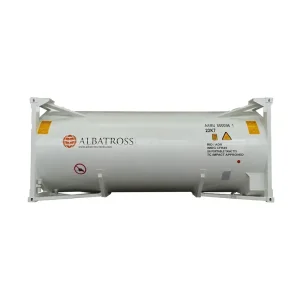
| ISO Tank Container Pneumatic Chassis | 20ft Liquid/Gas Tank Containers | 36,000 kg / 3,900 kg | Drop-Deck Low Center of Gravity Design | 2x 13T Axles with WABCO Roll Stability | $9,200 – $12,400 |
*Disclaimer: Pricelist ranges reflect standard export configurations on FOB terms. Actual quotes fluctuate based on customized axle brands (BPW/JOST), air suspension upgrades, aluminum wheels, and bulk procurement tiers.
Container trailers encounter vastly contrasting geographical, climatic, and regulatory challenges across key international transit routes.
Long-distance corridors under the Belt and Road framework experience extreme thermal swings from -40°C in Central Asia to +45°C in coastal terminals. Trailers deployed here require low-temperature cold-drawn steel, synthetic low-viscosity wheel bearing grease, and robust dual-redundant WABCO ABS/EBS braking circuitry.
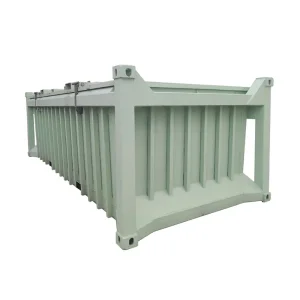
Transporting dense raw minerals, bauxite, and copper concentrates in half-height ore containers demands heavy-duty multi-leaf spring suspensions, reinforced dual-web I-beams, and 12.00R20 deep-tread radial tires capable of enduring unpaved, corrugated washboard haulage tracks without frame cracking.
Mega transshipment yards in Singapore, Rotterdam, and Dubai require bomb-cart terminal trailers engineered with high-angle corner guides, heavy pin stops, and ultra-stiff bolsters that absorb the impact of gantry crane spreader drop-loads 24 hours a day, 365 days a year.
Moving beyond purchase price: how fleet managers evaluate longevity, weight optimization, telematics, and electrification in intermodal equipment.
Utilizing high-strength lightweight steels (like Q690) allows engineers to trim 800 to 1,200 kg from bare chassis weight without sacrificing beam elasticity. Across an operational fleet of 200 units traveling 120,000 km annually, this yields substantial fuel economy savings and enables higher revenue-generating legal cargo limits.
Modern OEM container trailers are increasingly fitted with integrated telematics gateways that feed real-time data into fleet management platforms: monitoring tire pressure/temperature (TPMS), dynamic axle weight distributions, brake pad wear alerts, and kingpin lock confirmations.
Environmental standards demand low-VOC waterborne zinc-rich primers and electrophoretic deposition (e-coat) finishing to resist corrosion for 15+ years. Concurrently, regenerative braking e-axles are being piloted to self-power onboard reefer gensets directly from trailer momentum.
Expert answers covering axle configurations, structural customization, international standards, and international maritime shipping logistics.
A skeletal container chassis features an open-truss frame composed strictly of the central longitudinal I-beams, cross-members, and end bolsters fitted with twist-locks. It is purely designed for container carriage with zero excess deadweight. A flatbed trailer incorporates a full steel or wood floor deck, allowing it to haul ISO containers as well as general breakbulk, steel coils, machinery, or palletized freight.
Our OEM design office utilizes finite element analysis (FEA) to adjust kingpin setback distances, tandem or tri-axle spacing (spread axle designs up to 10 feet), and rear overhang profiles. For North America, we engineer trailers meeting DOT and Federal Bridge Gross Weight Formula regulations. For Europe, designs adhere strictly to 96/53/EC axle load distributions and turning radius envelopes.
Every chassis frame undergoes whole-structure automated shot blasting to ISO Sa 2.5 standards to strip mill scale and rust. We apply an electrostatic zinc-rich epoxy primer (minimum 60μm), followed by a high-build intermediate epoxy barrier coat (80μm), and finish with an aliphatic polyurethane topcoat (50μm). Hollow sections are hot-dip galvanized or oil-injected to prevent internal rust.
Yes. Our tank container trailers feature a drop-center 'swan-neck' frame that lowers the center of gravity of 20ft ISO tank containers by up to 250mm, significantly reducing dynamic rollover risk. They are engineered to comply with ADR and IMDG transport standards, including rear-end underrun protection bumpers with impact dissipation energy cells, stainless steel drip trays, and anti-static earth grounding reels.
Depending on destination port facilities and buyer preferences, we provide three shipping modalities: (1) Stacked Flat-Pack: nesting 3 to 4 skeletal chassis into a secure block with custom lifting lugs, shipped on container vessels as Out-of-Gauge or Breakbulk; (2) Ro-Ro / Breakbulk Vessel: rolled directly onto vessel decks fully assembled; (3) CKD / SKD: Semi-Knocked-Down packed inside standard 40ft High Cube containers for rapid assembly at destination.
For standard catalog configurations (20ft/40ft skeletal chassis), our baseline MOQ is 2 units, with typical production completion within 25–30 days. For bespoke engineering projects (specialized lowbed multi-axle units, integrated gensets, or DNV offshore compliance units), MOQ is flexible, and delivery windows range from 35–45 days, inclusive of third-party inspection certifications by BV, SGS, or Lloyd's Register.
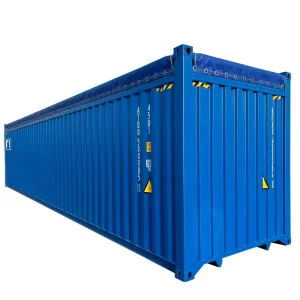
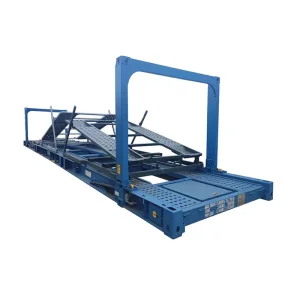
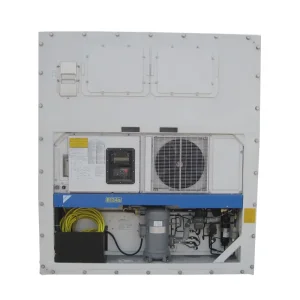
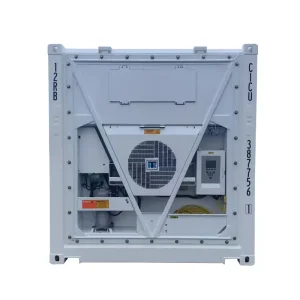
Review additional customized intermodal units, car carriers, open-top containers, and marine cooling systems manufactured to rigorous customer blueprints.