Explore factory-engineered intermodal containers, heavy cargo units, and custom high-cube modifications dispatched straight from port-adjacent manufacturing lines.
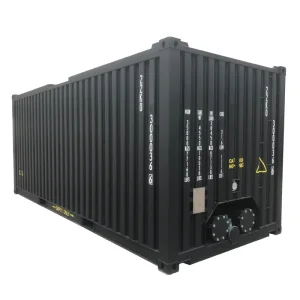
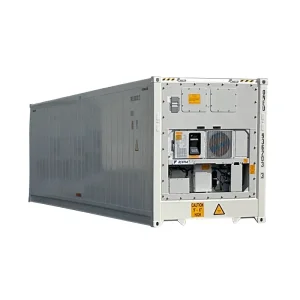
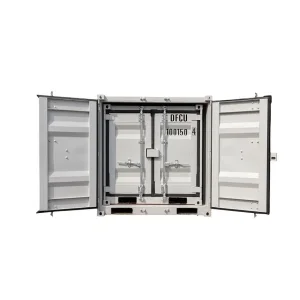
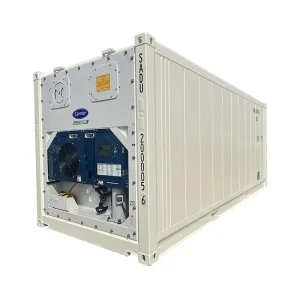
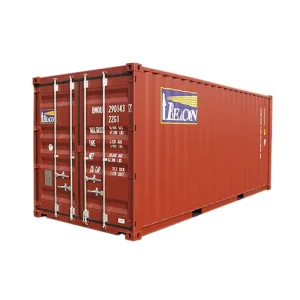
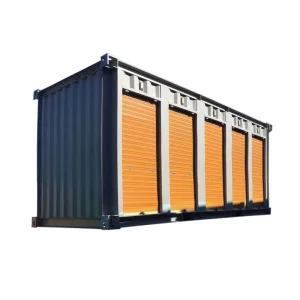
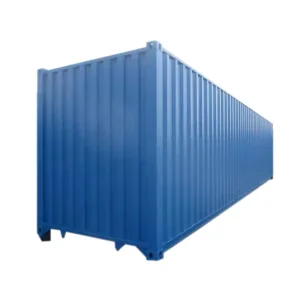
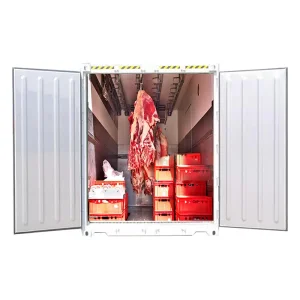
The modern landscape for OEM Container One shipping containers has shifted from standard bulk commodity acquisitions to highly specialized, modular, and IoT-monitored intermodal assets.
Global pharmaceutical and high-value perishable supply chains require active temperature monitoring within ±0.25°C tolerances. Enterprise buyers demand OEM integration with Carrier, Thermo King, and Daikin machinery featuring automated data transmission to cloud logistics portals.
Energy developers are repurposing ISO containers into modular Battery Energy Storage Systems (BESS) and mobile hydrogen generator enclosures. These require custom Corten steel reinforcement, specialized thermal barriers, explosion vents, and automated aerosol fire suppression cavities.
Energy extraction and oceanic engineering contractors are demanding offshore units that comply fully with DNV 2.7-1 / BS EN 12079 criteria. Structural resilience against ocean swells, sub-zero ductile fracturing, and high salinity atmospheres is mandatory for operational safety.
How our factory ecosystem solves mechanical stress, thermal bridging, and environmental degradation using automated robotic production lines.
Our structures utilize heavy-gauge SPA-H grade Corten steel that forms a dense, self-healing oxide patina upon exposure. This metallurgical barrier inhibits deep ferrous corrosion, delivering structural lifespans over 25 years even in aggressive marine and industrial settings.
Refrigerated and insulated modules feature non-CFC, zero-ODP cyclopentane-blown polyurethane foam insulation injected under high pressures. This achieves uniform structural core density (42 kg/m³) and a heat leakage coefficient (K-value ≤ 0.38 W/m²·K) that slashes operating power draws.
Steel surfaces undergo automated dry-grit blasting to Swedish Standard Sa 2.5, immediately followed by multi-coat industrial finishings: zinc-rich epoxy primers, high-build polyamide coatings, and UV-resistant aliphatic polyurethane topcoats tested against 3,000 hours of continuous salt-spray exposure.
Comprehensive data comparison to help procurement teams choose the optimal chassis and body builds for intermodal corridors.
| Container Classification | Structural Frame / Core Material | Thermal & Power Configuration | Certified Payload (Max Gross) | Primary Industrial Use-Case |
|---|---|---|---|---|
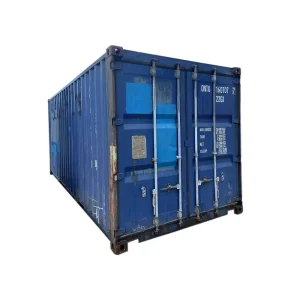
| ISO Dry Cargo (20ft / 40ft HC) | SPA-H Corten Steel, 28mm Apitong plywood flooring | Passive ventilation, condensation-reducing coatings | 30,480 kg – 32,500 kg | Intermodal ocean freight, rail transit, dry warehousing |
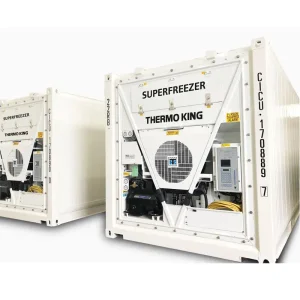
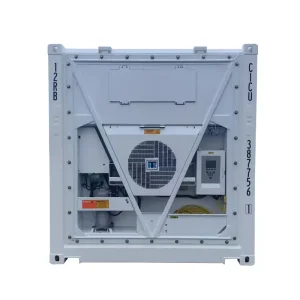
| Active Reefer & Cold Storage | Stainless steel 304 interior lining, extruded aluminum T-floor | Daikin, Carrier, or Thermo King machinery (-35°C to +30°C) | 34,000 kg (High-Cube builds) | Perishable exports, pharmaceutical transport, meat hanging |
| Offshore Rig Containers (DNV) | Micro-alloyed high-tensile steel, heavy padeye corner castings | Optional blast-proof wiring, ATEX-compliant HVAC | Custom, engineered for 4-point dynamic lift | Deep-sea oil & gas rigs, subsea mineral exploration |
| Asphalt & Liquid Bitumen Tank | Q345R / 316L vessel, outer rockwool insulation + cladding | Integrated heating tubes (direct-fired diesel / steam coils) | Up to 36,000 kg depending on chassis load limits | Highway infrastructure, bulk petrochemical transport |
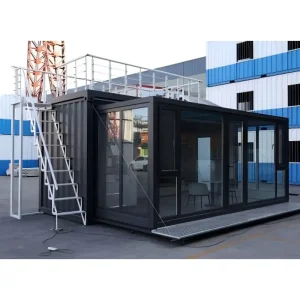
| Modular Industrial Enclosures | Structural hollow steel tubes, EPS/Rockwool sandwich panels | Pre-installed electrical conduits, commercial HVAC ducting | Stackable up to 9-high fully loaded configuration | BESS battery rooms, data centers, mobile site offices |
Operating out of Tianjin and Suzhou, our manufacturing output adheres to strict maritime safety protocols across European, American, African, and Asia-Pacific jurisdictions.
Every standard dry and reefer unit leaves our lines with a stainless steel CSC Plate (International Convention for Safe Containers) approved by Bureau Veritas (BV) or Lloyd's Register. Custom ISO 6346 markings and BIC registration codes are assigned for smooth tracking within global terminal systems.
All timber flooring elements are sourced and treated according to Australian Quarantine and Inspection Service (AQIS) standards and treated with authorized preservative chemicals. Structural parts are inspected for foreign organic contamination to ensure uninterrupted entry through strict ports.
Operating less than 100 km from major oceanic hubs (Tianjin Xingang Port and Shanghai/Taicang ports), our operations leverage factory-to-ship connections. We handle both "SOC" (Shipper Owned Container) one-way revenue loading and dedicated Ro-Ro/Breakbulk movements for complex, oversized modifications.
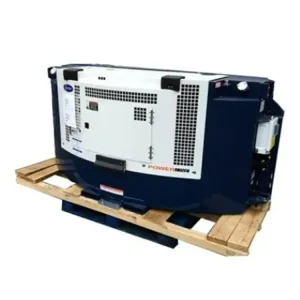
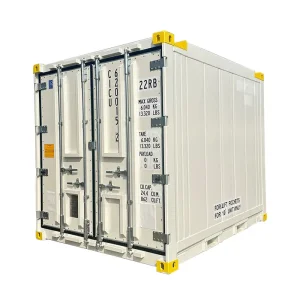
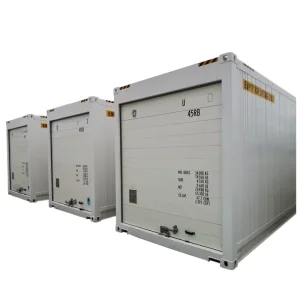
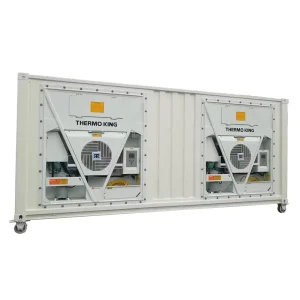
Review specialized configurations including mobile energy units, high-capacity blast freezers, and certified offshore packages ready for direct supply.
Direct insights from our chief structural and refrigeration engineers covering customization, logistics, and verification requirements.
