Direct factory configurations engineered for aggressive intermodal marine logistics, deep-freeze retention, and bulk offshore payload resilience.

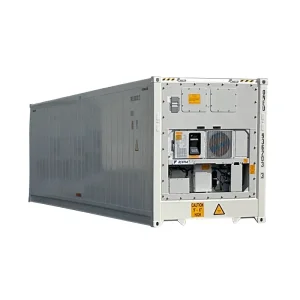

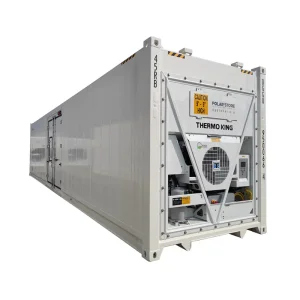
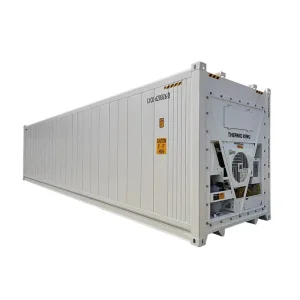
The global intermodal fluid handling market has shifted rapidly from standard static tanks to high-performance, skid-mounted, dynamic containerized frameworks engineered for multi-modal agility.
Modern skid tank containers integrate ATEX Zone-1 certified smart sensor pods. Procurement officers monitor hydrostatic pressure, ullage percentage, thermal fluctuations, and GPS positioning in real time via satellite links, preventing batch degradation and dynamic liquid surge risks.
Leading exporters transition beyond base 304 stainless steels to specialized Austenitic-Ferritic Duplex (2205), high-nickel alloys, and titanium-clad vessels. This metallurgy provides superior pitting resistance (PREN > 35) for aggressive chemicals, concentrated acids, and offshore fracturing fluid logistics.
Reinforced perimeter frames built to DNV 2.7-1 and EN 12079 structural tolerances absorb heavy torsional stresses. Skid integration includes structural 4-point pad eyes, forklift pockets with locking safety closures, and internal surge baffle designs optimized through Finite Element Analysis (FEA).
Industrial supply chain executives face intensifying regulatory audits and cross-border environmental compliance, shifting procurement preferences toward verified OEM manufacturers.
Global operators mandate full third-party design approvals (ASME 'U' Stamp, IMDG Code Chapter 6.7, ADR/RID, and CSC certifications). Sourcing from uncertified exporters exposes procurement teams to maritime port customs rejection and severe insurance liabilities.
Procurement teams prioritize 15-to-20-year structural longevity over bottom-tier bid prices. Premium internal fluoropolymer (PTFE/PFA) linings, vacuum-jacketed cryogenic thermal insulation, and top-tier valve manifolds (Perolo, Fort Vale) significantly decrease maintenance downtime.
Enterprise buyers require skid systems that seamlessly shift from rail flatcars to roll-on/roll-off deep-sea vessels and highway chassis without requiring auxiliary crane cradles, preserving multimodal turnaround velocities.
Strategically positioned in the industrial hearts of Tianjin and Suzhou, our automated manufacturing bases fuse precision robotics with unmatched supply chain integration.
Vessel longitudinal and circumferential seams are executed using multi-axis robotic SAW systems. Combined with 100% radiographic (RT) and ultrasonic (UT) non-destructive testing, our vessels achieve defect-free structural containment under maximum allowable working pressures (MAWP).
Every structural skid undergoes automated SA 2.5 shot blasting followed by electrostatic application of zinc-rich epoxy primers, intermediate polyamides, and aliphatic polyurethane topcoats, resisting C5-M extreme marine corrosive atmospheres.
Direct domestic sourcing from premier steel mills (Baosteel, TISCO) combined with internal production of custom cold-rolled container profiles lowers procurement lead times from 16 weeks to as few as 28 days for bespoke OEM designs.
Our skid tank systems operate reliably in the world's most unforgiving climatic and operational environments.
Certified DNV 2.7-1 / ISO 10855 skid units equipped with integrated slings and dry-break couplings. Designed for transferring aviation fuel, acids, drilling mud, and waste liquids between supply vessels and floating production storage and offloading (FPSO) units under sea-state 6 conditions.
Heavy-duty, high-cube skid tanks with reinforced bottom sumps and heated steam jackets. Facilitates bulk distribution of corrosive extraction chemicals and mineral flotation reagents over unpaved haul roads without chassis micro-cracking.
Mirror-polished 0.2 µm Ra inner finishes with sanitary tri-clamp connections and nitrogen blanket preservation ports. Designed for cross-border transport of semiconductor precursors and sterile ingredients free from contamination.
Comparative parameter guidelines designed for supply chain managers, naval architects, and bulk transport engineers.
| Tank Specification Class | Nominal Capacity | Shell Metallurgy / Lining | Working Pressure (MAWP) | Design Approvals | Estimated Base FOB Range |
|---|---|---|---|---|---|
| T11 Standard Chemical Skid | 21,000L – 26,000L | SS316L / Unlined | 4.0 Bar (58 psi) | IMDG, ASME VIII, RID/ADR, CSC | $16,500 – $22,800 |
| T14 Corrosive / Acid Skid | 14,000L – 20,000L | Carbon Steel / Rubber or PTFE Lined | 4.0 Bar (58 psi) | IMDG Class 8, TC Impact, BV | $23,000 – $31,500 |
| T50 LPG / Ammonia Pressure Skid | 24,000L | Q370R / Fine Grain Carbon Steel | 27.5 Bar (398 psi) | ASME 'U', DOT 51, IMDG Type 5 | $38,000 – $49,000 |
| DNV 2.7-1 Offshore Chemical Skid | 4,000L – 10,000L | SS316L / Internal Baffles | 2.67 Bar (38.7 psi) | DNV GL 2.7-1, EN 12079, ISO 10855 | $18,200 – $27,000 |
| T75 Cryogenic ISO Skid Tank | 20,000L – 22,500L | Inner: SS304 / Outer: Carbon Steel (Vacuum) | 8.0 – 22.0 Bar | ASME, ADR, IMDG, TPED | $52,000 – $76,000 |
*Note: Final pricing depends on project customization, auxiliary valve selection (Fort Vale, Girard, Perolo), electrical heating grid inclusion, telematics suites, and fluctuating international raw steel indices. Batch quantity discounts apply.
Factory direct builds manufactured for mission-critical overseas shipping, rail corridors, and marine supply chain operations.
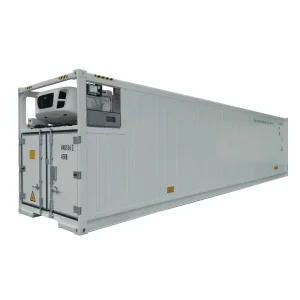
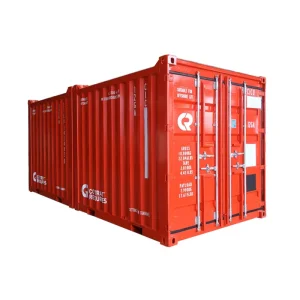




Answers directly authored by our marine structure and pressure vessel engineering team.
While traditional ISO tanks rely on standard beam-type or full-frame designs intended primarily for container ship cell guides, Skid Tank Containers feature reinforced ground-contact structural runners (skids), dedicated lifting slings, heavy-duty bump rails, and recessed valve cabinets. They are engineered to endure dragging, uneven pad placements, harsh oilfield transfers, and aggressive open-deck offshore crane dynamic loading, frequently under DNV 2.7-1 and EN 12079 design accreditations.
Every vessel undergoes mandatory hydro-pneumatic pressure holding tests at 1.5× MAWP, full longitudinal/circumferential seam radiographic (X-ray) inspections, dye penetrant weld crack detection, and helium leak testing for high-purity shells. Structural frames are dynamically tested for 4-point dynamic lifting, vertical 2R drop tests, and longitudinal impact tolerances witnessed by classification society surveyors (Bureau Veritas, DNV, or LR).
For hydrochloric acid, sulfuric acid, and bleach logistics, our Suzhou and Tianjin bases implement automated high-spark-tested vulcanized chlorobutyl rubber linings or rotomolded ethylene-tetrafluoroethylene (ETFE/PTFE) sheets. Steel parent surfaces are grit-blasted to white metal finish (Sa 3.0, 75–100 µm anchor profile) to ensure thermal expansion cohesion under -40°C to +80°C operating conditions.
Standard certified ISO designs are held in stock or produced within 3 to 4 weeks. Specialized OEM/ODM custom Skid Tanks (including exotic alloy metallurgy, steam heating tracings, or refrigeration integrations) typically require 5 to 7 weeks from final CAD approval. Being located approximately 100 km from major export deep-water seaports ensures expedited port arrival and minimized transit costs.
Yes. Our engineering department designs modular pump-bay integration: including explosion-proof (Ex-d) positive displacement pumps, flow metering manifolds, automated shutdown pneumatic valves, and integrated solar-recharging satellite tracking systems designed to transmit operational status worldwide.
