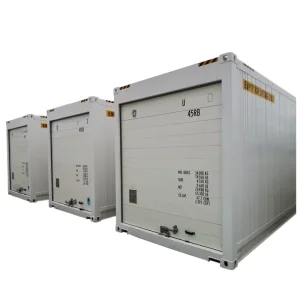
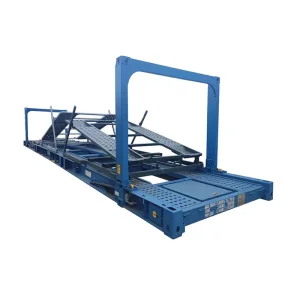
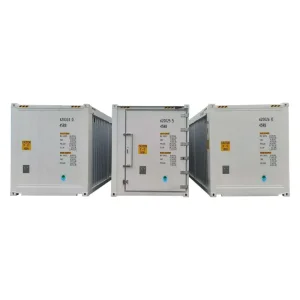
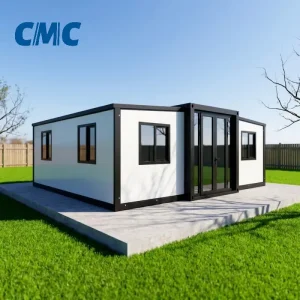
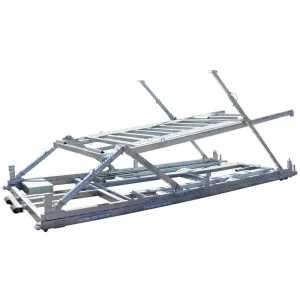
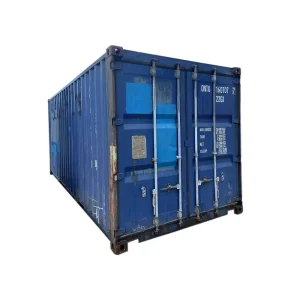
Explore our certified ISO compliant containers, cryogenic units, platform frames, and high-cube configurations engineered for global multi-modal supply chains.

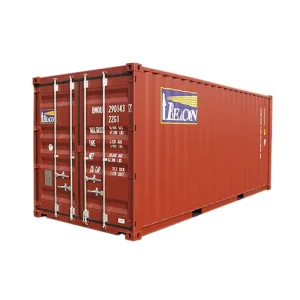
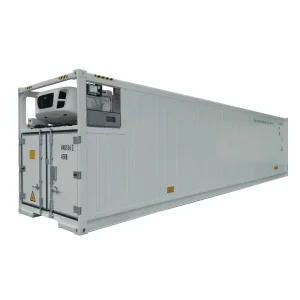

A rigorous examination of dimensional categorization under ISO 668, volumetric cargo stowage dynamics, structural stress distribution, and global commercial trade lanes.
The global standardization of container lengths is anchored in ISO 668 Series 1 freight containers. The standard governs external nominal lengths ranging from 10-foot tactical modules (2,991 mm) to the ubiquitous 20-foot Twenty-Foot Equivalent Unit (TEU, 6,058 mm), the 40-foot Forty-Foot Equivalent Unit (FEU, 12,192 mm), and expanded 45-foot high-cube configurations (13,716 mm). Standardized external dimensions guarantee seamless multimodal interchange between container cellular vessels, double-stack well railcars, and highway skeletal chassis.
Procurement teams must carefully balance cargo cubic volume (CBM) against maximum allowable payload gross weight (MGW). While a 20-foot standard container optimizes gravimetric density for heavy materials such as mineral ores, refined metals, grains, and industrial liquids (up to 30,480 kg gross), a 40-foot High-Cube configuration expands internal cubic capacity to 76.4 CBM, catering directly to volumetric consumer goods, electronics, textiles, and palletized assemblies where tare-to-volume ratio dictates transportation margins.
Regardless of nominal length, every ISO compliant container incorporates eight standardized corner castings conforming to ISO 1161. These precision cast-steel nodes bear extreme compressive loads during 9-high fully laden container stacking at sea, transmitting static forces up to 86,400 kg per post. Precision tolerance in factory fabrication guarantees dimensional alignment with shipboard automatic twistlocks, reach stacker spreaders, and lashing bridge turnbuckles across all port terminals worldwide.
| ISO Size Designation | Nominal Length | External Dimensions (L × W × H) | Internal Volume | Tare Weight (Avg) | Max Gross Mass (MGW) | Primary Industrial Use Case |
|---|---|---|---|---|---|---|
| 10ft ISO Dry Cargo | 10 Foot (10') | 2,991 × 2,438 × 2,591 mm | 15.8 m³ (558 cu.ft) | 1,300 kg | 10,000 kg | Urban Site Storage • Offshore Power Pods |
| 20ft Standard (1CC) | 20 Foot (20') | 6,058 × 2,438 × 2,591 mm | 33.2 m³ (1,172 cu.ft) | 2,230 kg | 30,480 kg | High-Density Heavy Freight • ISO Tank |
| 20ft High Cube (1CD) | 20 Foot (20') | 6,058 × 2,438 × 2,896 mm | 37.4 m³ (1,320 cu.ft) | 2,380 kg | 30,480 kg | BESS Energy Enclosures • Equipment Pods |
| 40ft Standard (1AA) | 40 Foot (40') | 12,192 × 2,438 × 2,591 mm | 67.7 m³ (2,390 cu.ft) | 3,740 kg | 32,500 kg | Global Transoceanic General Cargo |
| 40ft High Cube (1AAA) | 40 Foot (40') | 12,192 × 2,438 × 2,896 mm | 76.4 m³ (2,698 cu.ft) | 3,900 kg | 32,500 kg | Palletized Retail • Cold-Chain Reefers |
| 45ft High Cube (1EEE) | 45 Foot (45') | 13,716 × 2,438 × 2,896 mm | 86.5 m³ (3,054 cu.ft) | 4,820 kg | 34,000 kg | Belt & Road Railway • Intermodal Express |
| 53ft Domestic Intermodal | 53 Foot (53') | 16,154 × 2,591 × 2,896 mm | 110.0 m³ (3,884 cu.ft) | 5,400 kg | 30,480 kg | North American Domestic Rail & Trucking |
Why Tier-1 Chinese container manufacturing plants deliver unrivaled production turnaround, metallurgical excellence, cost control, and strategic deepwater dispatch velocity.
Every OEM container produced in our manufacturing lines utilizes certified high-grade SPA-H atmospheric corrosion-resistant Corten steel. When exposed to ocean marine environments, SPA-H generates a dense, protective copper-phosphorus oxide patina that arrests deep rust propagation. With continuous automated hot-rolled decoiling and precision cold-roll corrugation, tensile yield strength exceeds 355 MPa, ensuring containers withstand dynamic storm-induced racking forces on transoceanic lanes without structural deformation.
China's container fabrication facilities lead worldwide automation benchmarks. High-speed multi-axis robotic welding gantries carry out submerged arc and gas metal arc welding (GMAW) on bottom side rails, corner posts, and side corrugated panels. Automated optical quality systems verify full weld penetration and seam density, eliminating gas porosity and inclusions. This precision prevents sea water infiltration throughout the 20-year operational lifecycle.
Factory surface preparation complies strictly with ISO 8501-1 Sa 2.5 near-white metal grit blasting, eliminating mill scale and generating an optimal 30-75 μm surface anchor profile. Electrostatic paint application lines then apply high-performance, waterborne zinc-rich primer, epoxy intermediate barriers, and polyurethane exterior finishes. This multi-layer barrier achieves over 1,500 hours of neutral salt spray resistance (ASTM B117), exceeding international marine exposure durability requirements.
Located within approximately 100 kilometers of the mega-deepwater container berths of Tianjin (Northern Port gateway) and Shanghai/Taicang (Yangtze River Delta gateway), our factory locations slash inland haulage lead times and transport surcharges. Newly manufactured dry, reefer, and offshore units can be positioned directly into ocean carrier vessel stowage or dispatched as "one-way empty cargo loads," substantially reducing overall FOB/CIF procurement landed costs for global freight buyers.
Every fabrication batch undergoes independent classification society auditing on-site. Bureau Veritas (BV), American Bureau of Shipping (ABS), Lloyd's Register (LR), and Det Norske Veritas (DNV) verify CSC safety approvals, floor strength deflection under 7,260 kg axle loads (ISO 1496-1), transverse racking rigidity, and weatherproof seal water-tightness under 100 kPa high-pressure water spray testing.
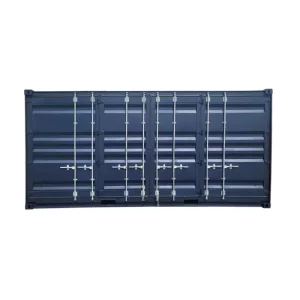
Beyond standardized dry cargo boxes, dedicated factory modification cells handle heavy-duty side-opening doors, interior insulated thermal linings, cryogenic pressure vessels (T75/T11), blast-resistant battery enclosures (BESS), and DNV 2.7-1 certified offshore lifting baskets. Tailored engineering drawings (CAD/SolidWorks) are validated via Finite Element Analysis (FEA) before tooling, cutting prototype validation cycles to under 15 days.
Analyzing the performance demands of standard container lengths deployed across oceanic logistics, rail bridges, extreme offshore drilling, cold storage, and clean tech power grids.
Long-distance intermodal freight running across the China-Europe Railway Express requires robust structural tolerance against severe temperature drops (-40°C) across the Eurasian steppes. 40ft High-Cube and specialized 45ft extended containers maximize volumetric loading for electronics and automotive subassemblies, utilizing specialized lashing points and anti-vibration bottom crossmembers to withstand cyclic acceleration shocks during high-speed rail coupling.
Marine drilling platforms and Floating Production Storage and Offloading (FPSO) units cannot accommodate standard freight containers due to open ocean crane lifting hazards. Our offshore basket containers and 10ft/20ft offshore dry units are engineered with certified high-impact structural steel, low-temperature Charpy V-notch toughness tests at -20°C, pad eyes welded directly into the primary structure, and 4-part wire rope sling sets designed for dynamic offshore lifting.
The global shift toward renewable grid stabilization has made 20ft and 40ft High Cube containers the worldwide standard form factor for utility-scale lithium-ion battery housing. Standardized factory OEM integration includes reinforced floor C-channels to support battery racks exceeding 25 metric tons, structural thermal breaks, precision cutouts for liquid-cooling chillers, NFPA 69 explosion-relief roof panels, and Class A-60 fire insulation barriers.
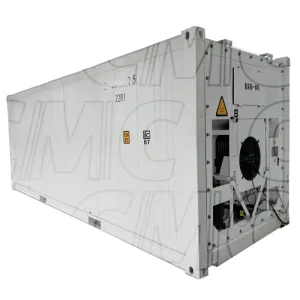
Equipped with industry-leading machinery from Carrier Transicold, Daikin, and Thermo King, our 20ft and 40ft reefer containers maintain internal temperatures within ±0.25°C from -35°C to +30°C. High-density polyurethane foam injected under pressure between stainless-steel (grade 304) interior walls and Corten steel exteriors produces a low thermal conductivity coefficient (U-value ≤ 0.38 W/m²K), protecting fresh produce, meat, and biological vaccines on long-voyage sea journeys.
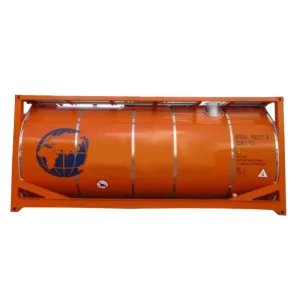
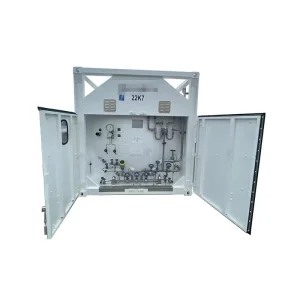
For chemical and foodstuff transport, 20-foot T75 cryogenic and T11 liquid tank containers provide a pressure vessel encased inside an ISO dimensional frame. Fabricated from 316L stainless steel or vacuum-insulated double-wall vessels, they guarantee safe handling of liquid argon, nitrogen, LNG, and industrial solvents, eliminating the secondary packaging waste associated with steel drums.
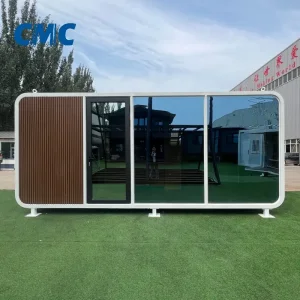
ISO standard shipping container lengths form the modular chassis for pre-engineered structural living pods, site offices, and emergency hospitals. The intrinsic structural rigidity of the ISO steel skeletal frame allows vertical stacking up to 5 tiers without auxiliary structural steel columns, speeding up remote site camp deployment across mining and remote construction sites worldwide.
How the intermodal manufacturing sector is evolving with Internet of Things (IoT) tracking, decarbonized metallurgy, lightweight alloys, and circular economy design.
Standard containers are rapidly transforming into connected smart endpoints. Factory installation of solar-powered IoT micro-transceivers integrated flush with the corrugated panel ribbing provides real-time GPS tracking, door breach sensing, 3-axis shock detection, and ambient cargo humidity reporting. For reefer fleets, two-way satellite and cellular links allow cold-chain logistics dispatchers to modify setpoints, run automated pre-trip inspections (PTI), and log temperature data for regulatory compliance.
By integrating micro-alloyed ultra-high-strength steels and FEA-optimized panel corrugation geometry, modern factory production reduces dry container tare weight by 8% to 12% without sacrificing CSC racking resistance or dynamic roof deflection thresholds. Lower empty tare directly increases revenue-generating freight payload capacity per container, slashing long-run greenhouse gas emissions per ton-kilometer across transoceanic carriers.
Traditional tropical hardwood container flooring (such as apitong and keruing) is systematically being phased out in favour of certified sustainable fast-growing bamboo composite veneers, hybrid recycled plastics, and hot-dip galvanized steel subfloors. Concurrently, manufacturing lines have transitioned 100% of paint application processes to zero/ultra-low volatile organic compound (VOC) water-based polyurethane coatings, reducing environmental impact while maintaining superior resistance to chemical washdowns and salt air exposure.
A systematic technical evaluation framework for supply chain directors, procurement executives, and fleet managers sourcing factory-direct container equipment.
Governed by the 1972 International Convention for Safe Containers, all equipment entering international intermodal interchange must carry a stainless-steel CSC safety approval plate. The plate must document the container identification number, design approval reference, country of approval, manufacturing date, maximum operating gross weight, allowable stacking weight (minimum 192,000 kg for 9-high fully laden stowage), and transverse racking test load values.
Before mass production runs, factory prototypes must undergo dynamic physical testing witnessed by accredited classification surveyors. Tests include static stacking, top lifting via corner castings, bottom lifting, external longitudinal restraint, transverse and longitudinal racking, floor axle load capacity (7,260 kg test cart wheel load), roof load integrity, and high-pressure water tightness spray tests across all door seals and junctions.
Containers targeted for trans-border customs clearance under the TIR convention must integrate customs-approved sealing hardware. Fasteners securing corner castings, door hinges, and locking cam keepers must be welded or permanently peened on the inside to prevent unrecorded access without breaking the serialized customs cable or high-security bolt seal.
Factory welding procedures must comply with AWS D1.1 structural welding standards. Welding Procedure Specifications (WPS) and Procedure Qualification Records (PQR) verify full weld penetration on all structural corner posts and bottom side rails. Random non-destructive testing (NDT), including ultrasonic and magnetic particle examination, is performed on high-stress junction welds to detect micro-cracks before surface coating.
Enterprise procurement contracts should verify that the manufacturer maintains ISO 9001 (Quality Management), ISO 14001 (Environmental Management), and ISO 45001 (Occupational Safety) certifications. Mill test certificates (MTC) for steel coils must trace chemical heat composition back to reputable tier-1 steel mills, verifying yield strength, tensile toughness, and atmospheric copper content.
Procuring specialized containers requires factory willingness to provide design iteration and dedicated tooling. An experienced OEM manufacturer must provide 3D CAD/BIM models, structural FEA stress reports, customizable paint color matching to corporate RAL standards, decal silk-screening, and flexible delivery arrangements (FOB, CIF, or domestic factory collection).
Expert answers addressing the primary engineering, commercial, and operational queries encountered by corporate logistics procurement teams.
Explore specialized roll-up reefers, automotive racks, liquid ISO tanks, expandable modular pods, and certified cargo units engineered for demanding global industries.