Explore high-cube reefers, modular expandable housing units, power packs, and certified ISO bulk liquid tanks ready for deep-sea and multimodal intermodal deployment.
Standardized intermodal shipping containers form the structural spine of international commerce. Understanding global demand vectors, Corten steel economics, and regulatory compliance is vital for strategic fleet procurement.
Global freight realignment, accelerated by nearshoring and the diversification of supply chains, has transformed container fleet management. Over 95% of the world's dry freight and refrigerated container capacity originates from specialized manufacturing hubs in China.
Procurement directors face sharp variances in Twenty-Foot Equivalent Unit (TEU) replacement cycles, demanding direct mill-integrated OEM manufacturing contracts that guarantee Corten-A steel quality, automated submerged arc welding, and CSC safety approvals.
The structural rigidity defined by ISO 1496-1 has propelled standardized containers far beyond maritime transport. Today, energy storage systems (BESS), offshore substation cabins, data centers, and architectural modular living rely entirely on standardized corner castings and load-bearing framing.
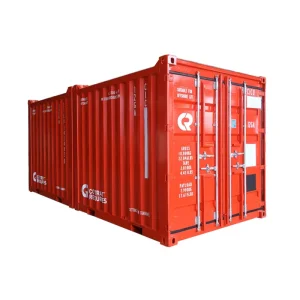
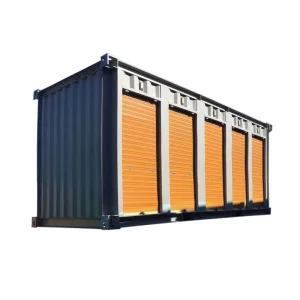
Direct OEM customization empowers operators to configure thermal polyurethane foaming, roll-up shutter partitions, side-access hydraulic elevations, and interior electrical conduits straight off the industrial production line.
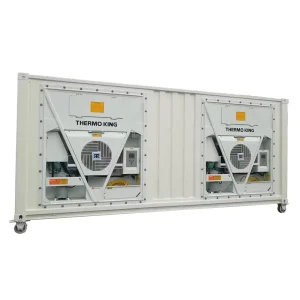
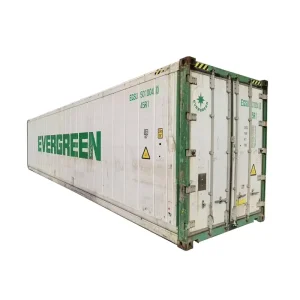
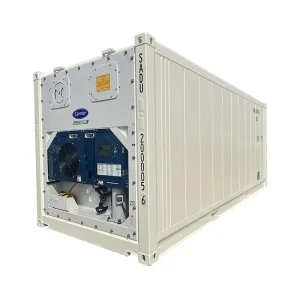
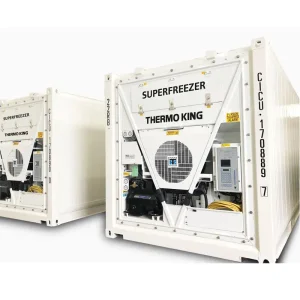
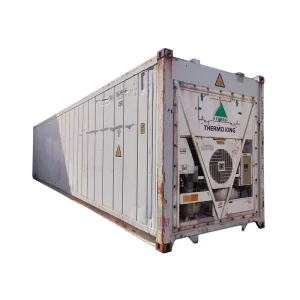
Modern perishable transport and biopharmaceutical shipments mandate strict thermal precision. Standard cold chain equipment has evolved toward integrated microprocessor-driven units (Carrier Transicold, Thermo King, Daikin) delivering temperature stabilization from -60°C to +30°C.
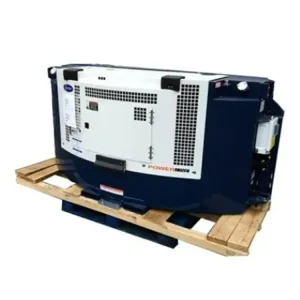
Advanced refrigeration units incorporate R-452A and low-GWP refrigerants alongside clip-on diesel generator sets (gensets), securing continuous thermal stability across intermodal land bridges, deep-sea transits, and off-grid laydowns.
Factory-direct benchmark specifications, dimensional engineering tolerances, structural weights, and Indicative FOB China pricing tiers for standard, reefer, tank, and specialized ISO containers.
| ISO Category & Nominal Size | External Dimensions (L × W × H) | Internal Dimensions (L × W × H) | Tare Weight | Max Payload | Key Engineering Highlights | FOB Port Price Tier (USD)* |
|---|---|---|---|---|---|---|
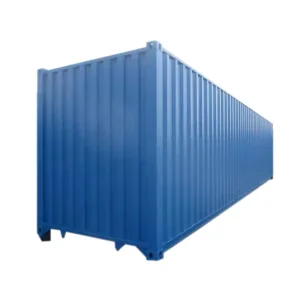
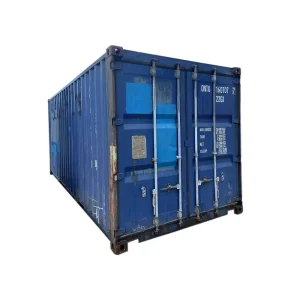
| 20ft Standard Dry Cargo (20GP) | 6,058 × 2,438 × 2,591 mm | 5,898 × 2,352 × 2,393 mm | 2,200 kg | 28,280 kg | Corten-A SPA-H steel, 28mm marine plywood flooring, zinc primer | $1,650 - $2,100 |
| 40ft Standard Dry Cargo (40GP) | 12,192 × 2,438 × 2,591 mm | 12,032 × 2,352 × 2,393 mm | 3,750 kg | 26,730 kg | Full 9-high stacking certification, ISO 1496-1 approved corners | $2,650 - $3,250 |
| 40ft High Cube Dry Cargo (40HC) | 12,192 × 2,438 × 2,896 mm | 12,032 × 2,352 × 2,698 mm | 3,900 kg | 28,600 kg | Extra 305mm vertical headroom, 76.2 m³ volumetric capacity | $2,850 - $3,450 |
| 40ft High Cube Reefer (Cold Room) | 12,192 × 2,438 × 2,896 mm | 11,583 × 2,290 × 2,540 mm | 4,500 kg | 29,500 kg | Carrier / Daikin / Thermo King active unit, SUS304 interior, T-floor | $13,500 - $18,500 |
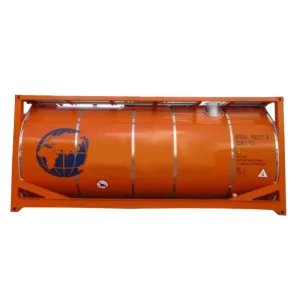
| 20ft ISO Liquid Tank (T11 UN Portable) | 6,058 × 2,438 × 2,591 mm | Capacity: 21,000L - 26,000L | 3,650 kg | 32,350 kg | 316L Stainless Steel vessel, steam heating, insulation wrap | $14,000 - $19,200 |
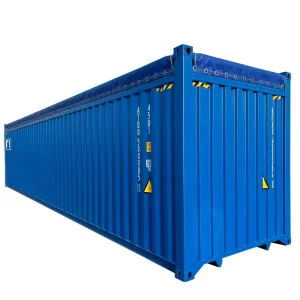
| 40ft Soft Open Top (Tarpaulin) | 12,192 × 2,438 × 2,896 mm | 12,022 × 2,342 × 2,640 mm | 4,100 kg | 28,400 kg | Removable roof bows, heavy-duty Tir cord, top-crane loading design | $4,200 - $5,300 |
| 20ft Storage Roll-Up Door Container | 6,058 × 2,438 × 2,591 mm | 5,898 × 2,352 × 2,393 mm | 2,150 kg | 15,000 kg | Heavy-gauge galvanized roller shutter, rapid commercial dock access | $2,300 - $2,950 |
| DNV 2.7-1 Offshore Certified Cargo | Custom (10ft / 20ft Platforms) | Project Specific | Variable | Up to 15,000 kg | EN 12079 / DNV GL certified pad-eyes, four-point lifting sling set | $5,800 - $9,500 |
*Note: Quoted pricing reflects baseline volume FOB Tianjin/Suzhou rates and fluctuate based on global hot-rolled steel coil indices (SPA-H), class society inspection schedules (BV, ABS, LR, DNV), and custom interior engineering configurations. Contact CIMIC sales engineers for formal contractual pro-forma invoices.
Inside CIMIC's engineering architecture: from corrosion-resistant SPA-H Corten alloy chemistry and multi-stage robotic shot blasting to real-time telematics integration.
Every structural cross-member, side corrugated panel, and corner post is formed exclusively from atmospheric corrosion-resistant SPA-H Corten alloy steel. Corten-A forms a self-healing copper-chromium-phosphorus protective oxide patina when exposed to maritime humidity.
This metallurgical framework ensures a baseline tensile strength of 490 MPa and yield strength exceeding 345 MPa, surviving continuous torsional twist and dynamic 9-high container vessel cellar guide loads exceeding 216,000 kg.
Surface preparation begins with automated SA 2.5 centrifugal wheel shot-blasting, removing all mill scale and creating an anchor profile between 40-75 microns. Units are protected with a tri-layer marine barrier coating totaling 120-140 microns dry film thickness (DFT).
The sequence applies an inorganic zinc-rich primer, an epoxy intermediate barrier layer, and an ultra-durable polyurethane exterior topcoat, engineered to resist 1,500+ hours of continuous salt-spray exposure pursuant to ISO 12944 C5-M marine environment standards.
The future of intermodal fleet operation is connected. CIMIC integrates optional pre-wired satellite/cellular GPS telematics transceivers flush within reefer machinery recesses and dry container door gaskets.
Fleet asset managers achieve real-time visibility into internal cargo bay humidity, door opening triggers, ambient thermal deviations, active compressor power draw, and tri-axial shock event impacts during intermodal rail coupling and ocean transfers.
From remote mining sites and oil platforms to urban cold-chain distribution centers and agricultural hubs, CIMIC standardized containers adapt to complex logistics environments.
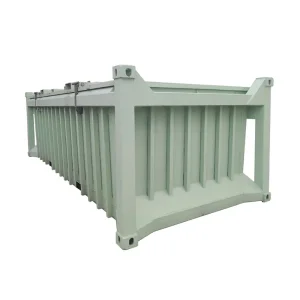
Standard dry boxes cannot withstand North Sea or Gulf offshore dynamic crane snatching. CIMIC DNV 2.7-1/EN 12079 certified offshore dry boxes and half-height ore bins feature heavy tubular main framing, forged corner pad-eyes, and certified four-leg wire rope lifting slings.
Deploying 40ft High Cube reefer units at regional fruit packing hubs, meat processing facilities, and deep-sea docks stabilizes seasonal harvest surplus without capital-intensive cold-storage brick construction. Controlled atmosphere (CA) technology delays respiration for trans-Pacific crossings.
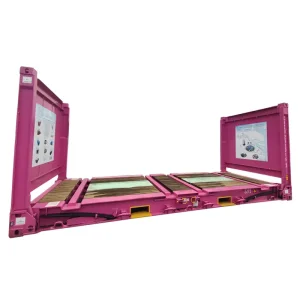
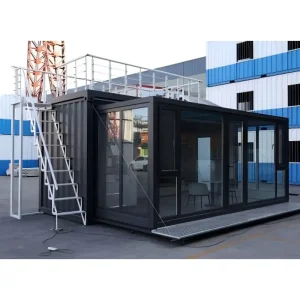
CIMIC OEM 20ft foldable and expandable modular container houses are pre-fitted with integrated insulated sandwich panels, factory pre-plumbed sanitary bathroom pods, and universal electrical wiring. They deploy in less than 30 minutes for disaster zones and mining camp sites.
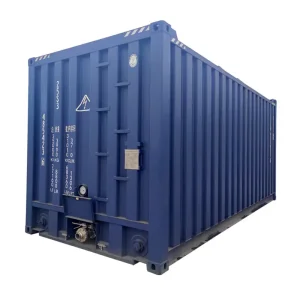
Intermodal ISO tank containers (T11/T14/T50) eliminate intermediate transfer risks for corrosive liquids, edible oils, and high-purity water. The ASME-stamped stainless vessel mounted within a standardized 20ft ISO footprint transitions seamlessly from ship deck to skeleton trailer.
Discover how CIMIC structures bulk OEM and ODM procurement contracts, guarantees zero-defect quality delivery, and streamlines SOC (Shipper Owned Container) international ocean transit.
Our engineering division works directly with your technical directors to convert cargo constraints into approved general arrangement (GA) drawings. Whether integrating reinforced forklift pockets, roll-up shutter openings, custom roof access hatches, or interior tie-down rings rated to 2,000 kg each, fabrication begins only after Finite Element Analysis (FEA) signoff.
We provide complete digital 3D STEP/DWG models, enabling procurement teams to verify cargo fitment and mechanical interface compatibility before production lines roll.
Every batch manufactured in our Tianjin and Suzhou yards undergoes rigorous third-party inspection overseen by international classification societies including Bureau Veritas (BV), ABS, Lloyds Register (LR), or DNV GL. Quality gates involve 100% floor load testing using 7,260 kg front-axle wheel rigs (ISO 1496/1), ultrasonic weld flaw detection, and high-pressure weather-tightness water deluge testing.
All containers are issued an official CSC Safety Plate detailing structural payload limits, stacking capability, and anti-corrosion chemical treatment registrations.
Positioned approximately 100 kilometers from the Port of Tianjin and Shanghai/Ningbo marine exits, finished equipment moves to port berths within hours. To drastically reduce ocean freight expense for overseas buyers, we specialize in "One-Way Cargo Load" (Cabotage) arrangements, leasing empty new containers to international ocean carriers for a single laden voyage.
This technique lowers or completely offsets ocean repositioning freight costs to European, North American, Australian, and African arrival ports.
Authoritative guidance on dimensional standards, custom engineering minimums, refrigeration machinery serviceability, and export trade compliance.
Discover high-cube dry boxes, DNV certified offshore modules, blast reefers, platform flat racks, and ore carrier bins engineered for heavy industrial and resource mining operations.