Macro-Economic Context
The Logistics Landscape of Greece: Piraeus Transshipment Hub & Insular Demands
Greece holds an unrivaled geostrategic position at the crossroads of Europe, Asia, and Africa. The Port of Piraeus serves as the premier southern maritime gateway into the European Union under the Belt and Road Initiative, handling millions of TEUs annually. Concurrently, Greece's unique territorial topography—spanning more than 6,000 islands and islets, of which 227 are inhabited—creates an intricate micro-logistics ecosystem unlike any other European nation.
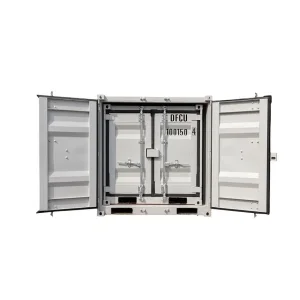
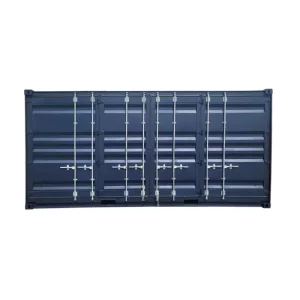
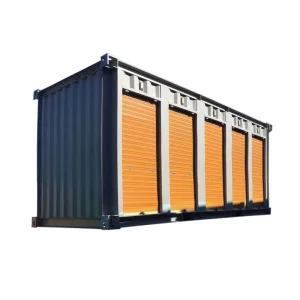
Industrial enterprises, construction firms, shipping conglomerates, and seasonal hospitality operators in Greece face chronic storage bottlenecks. In historic dense urban centers such as Athens and Thessaloniki, physical footprint constraints forbid extensive traditional warehouse construction. Conversely, on tourist destinations across the Cyclades, Ionian, and Dodecanese islands, commercial rents skyrocket during peak months, forcing hotel operators, marine equipment providers, and municipal contractors to seek ultra-modular, secure, and weather-resilient mini storage containers (4ft, 5ft, 6ft, 8ft, 10ft, and 12ft configurations).
Why Mini Storage Containers Dominate Greek Infrastructure
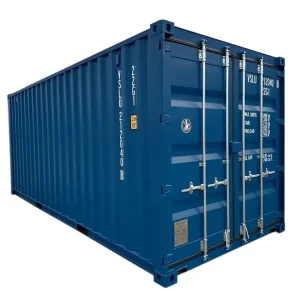
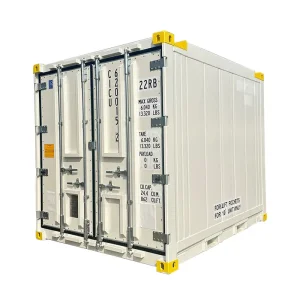
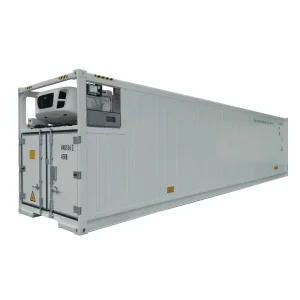
Unlike standard 20ft or 40ft maritime shipping units which require heavy 30-ton mobile cranes and broad road clearances rarely available in island alleys or port alleys, mini storage containers (5ft, 8ft, 10ft) can be maneuvered with standard 3.5-ton rough-terrain forklifts or light flatbed hiab cranes.
-
✔ Island Navigability: Can be loaded onto roll-on/roll-off (Ro-Ro) ferries with zero road transit permits required.
-
✔ Extreme Saline Resistance: ISO 12944 C5-M marine epoxy paint systems survive punishing Aegean mist.
-
✔ Seasonal Buffer: Winterize luxury hotel furniture, water-sports assets, and vineyard tools securely.