
Australia Spec Ready
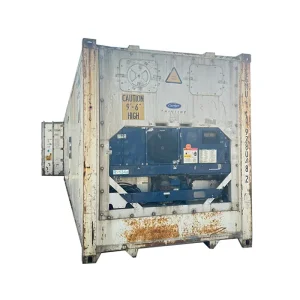
40ft High-Cube · Multi-Zone
Factory-tested, PTI-approved units pre-fitted with digital thermostatic controls and dual 380V/440V 32A 3-phase systems ready for immediate deployment in Brisbane, Sydney, Melbourne, and Fremantle.
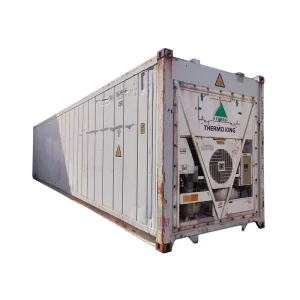
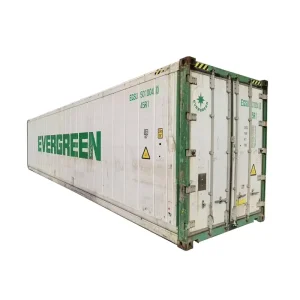
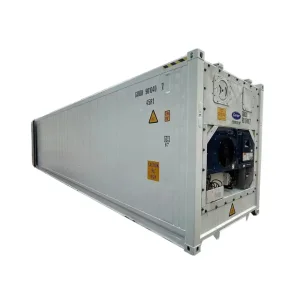
The Australian refrigerated logistics infrastructure faces a structural capacity shortage driven by surging agricultural exports, remote resource extraction operations, and decentralized population hubs separated by vast transcontinental distances. Across Queensland, New South Wales, Victoria, and Western Australia, commercial enterprises require robust thermal containment capable of withstanding ambient summer temperatures exceeding 48°C in regional transit corridors.
Sourcing dependable, pre-owned reefer containers provides Australian enterprises with an economical alternative to capital-intensive fixed cold stores. From beef processing in the Darling Downs to table grapes across the Sunraysia belt and remote FIFO mining camps throughout the Pilbara, factory-refurbished used reefers serve as static cold-storage units, buffer packing stations, and multi-modal transport cells.
All CIMIC units exported to Australia undergo pressurized nitrogen leak-testing, microprocessor recalibration, and mechanical overhaul at Tianjin and Suzhou production yards prior to vessel loading.
How our refurbished refrigerated fleet solves mission-critical cooling hurdles across the continent’s leading economic industries.
Australia's red meat sector requires strict adherence to cold chain integrity under Department of Agriculture, Fisheries and Forestry (DAFF) export regulations.
Perishable produce like stone fruits, table grapes, and berries experience swift post-harvest degradation without instant, precise temperature pull-down.
Off-grid resource extraction projects in the Pilbara, Bowen Basin, and Goldfields need dependable static food and beverage cold-room reserves.
Every used refrigerated container exported from our manufacturing facilities meets stringent Australian electrical, safety, and biosecurity regulations.
| Component Architecture | Factory Refurbishment Protocol | Australian Regulatory Compliance | Operational Value Proposition |
|---|---|---|---|
| Refrigeration Units Carrier / Daikin / Thermo King |
Complete teardown, scroll compressor pressure testing, nitrogen flush, synthetic ester oil recharge, micro-channel coil acid de-scaling. | Ozone Protection & SGG Management Act Compliant with Australian low-GWP refrigerant import quotas (R134a, R404A, R452A ready). |
Reliable maintenance networks across all Australian capital cities and key regional logistics hubs. |
| Electrical Infrastructure 380-460V / 3 Phase / 50-60Hz |
Full rewiring of electrical cabinet, installation of IP67 industrial waterproof plugs, circuit breaker verification, contactor replacement. | AS/NZS 3000:2018 (Wiring Rules) Residual current device (RCD) compatible, compliant industrial isolator mounting. |
Safe operation on regional agricultural properties, distribution centers, and standard commercial industrial grids. |
| Structural Shell & Foam SPA-H Corten & Cyclopentane PU |
Infrared thermographic scanning to detect thermal bridges, chemical injection of damaged foam panels, structural straightening to IICL-6. | ISO 1496-2 / CSC Convention Certified by Bureau Veritas (BV) with valid international safety plates. |
Minimized thermal transfer under relentless 45°C+ summer direct solar radiation, slashing daily electrical draw. |
| Biosecurity Cleanliness Sanitation & Pest Treatment |
Industrial steam-cleaning of exterior surfaces, T-floor degreasing, internal chlorination wash, and structural sealing. | DAFF Biosecurity Guidelines Pre-cleared to minimize Brown Marmorated Stink Bug (BMSB) quarantine inspection delays. |
Fast clearance at port terminals in Melbourne (Swanson Dock), Sydney (Port Botany), and Brisbane (Fisherman Islands). |
Our sales engineering team provides instant CAD drawings, refrigeration unit performance graphs, and CIF shipping rates direct to Australian discharge ports.
Transporting temperature-critical goods across the vast Australian continent—such as the 4,000-kilometer east-west transcontinental rail corridor connecting Sydney to Perth—demands smart monitoring and autonomous resilience. CIMIC equips refurbished used reefer containers with modern telematics systems, bridging legacy structural strength with cutting-edge Internet of Things (IoT) monitoring.
Our remote reefer telemetry suites offer real-time GPS fleet tracking, supply and return air probe logging, remote set-point adjustment, automated pre-trip inspection logs, and instant alarm warnings sent directly to fleet dispatchers via satellite and 4G/5G networks.
Furthermore, to counteract escalating energy tariffs across regional Australian power networks, our units integrate micro-gap air seals and high-efficiency variable-speed scroll compressors that reduce continuous kilowatt consumption by up to 32% compared to uncalibrated legacy equipment.
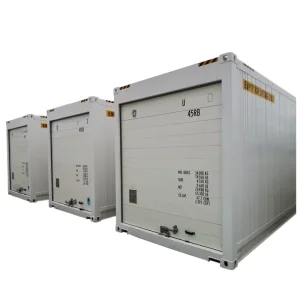
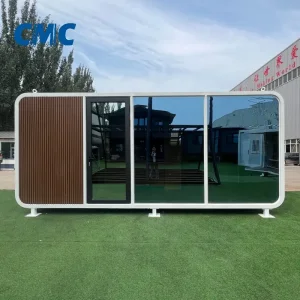
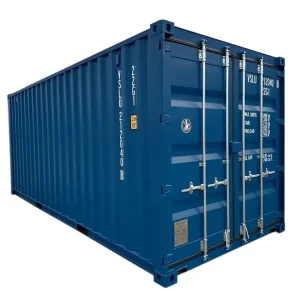
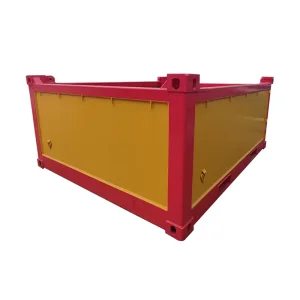
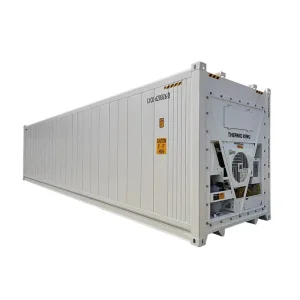
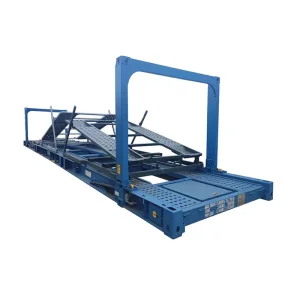
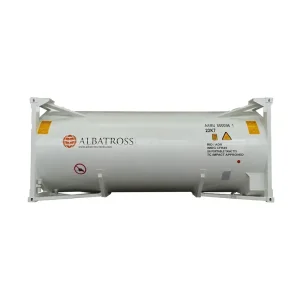
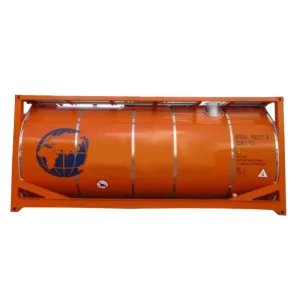
From specialized roll-up reefers to modular site accommodations and liquid tank containers, explore our full industrial export range manufactured in Tianjin and Suzhou.
Clear answers regarding customs clearance, lead times, electrical compatibility, and warranties when importing used reefer containers into Australia.
Yes. All reefer containers we supply to the Australian market are equipped to operate on 3-phase 380V/440V 50Hz/60Hz supplies, which standard commercial and industrial properties, generator units, and dockside receptacles across Australia provide. Every unit is tested to ensure full compliance with AS/NZS 3000 wiring standards.
The Australian Department of Agriculture, Fisheries and Forestry (DAFF) enforces strict quarantine inspections. Prior to dispatch from our Tianjin or Suzhou yards, units undergo deep sanitization, steam cleaning, and chemical disinfection to ensure floors, door gaskets, and machinery bays are completely free of soil, wood fragments, plant debris, and Brown Marmorated Stink Bugs (BMSB).
A Pre-Trip Inspection is an exhaustive multi-point diagnostic procedure executed by certified refrigeration technicians. It involves microprocessor sensor calibration, electrical circuit checks, refrigerant pressure verification, compressor motor health diagnostics, and a dynamic pull-down test confirming the machinery drops to -18°C within specified factory timeframes.
Direct liner services from Tianjin or Qingdao to major Australian ports typically require 12 to 18 days for Sydney (Port Botany), Melbourne, and Brisbane, and roughly 18 to 22 days for Fremantle (Perth) and Adelaide. We handle full export documentation, Bill of Lading generation, and CSC certification handover.