
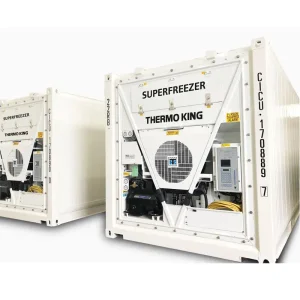
Pre-engineered thermal barriers, multi-stage refrigeration systems, and classification-certified structures directly manufactured for global intermodal export.
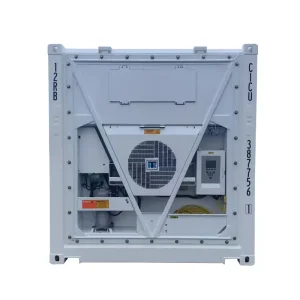
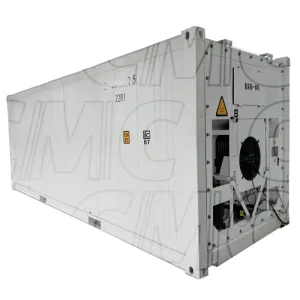

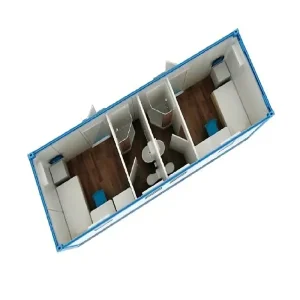


Understanding thermodynamic performance gradients, cascade compressor topologies, and vacuum insulation systems required for non-interrupted cryogenic containment.
Standard marine reefer units utilize single-stage R-134a or R-404A systems restricted to continuous operation floors of -30°C. Super freezers utilize sophisticated dual-stage or cascade refrigeration loops leveraging ultra-low boiling point refrigerants (such as R-23, R-508B, or eco-advanced R-452A blends). The primary high-temperature stage cools the condenser of the secondary low-temperature stage, achieving consistent internal temperatures down to -60°C to -80°C under 50°C ambient external thermal stress.
Conventional polyurethane foam expands and loses thermal resistance over cryogenic cycles. Our super freezer manufacturing process integrates micro-cellular Polyurethane (PU) combined with advanced Vacuum Insulation Panels (VIP). This design delivers a thermal conductivity baseline as low as 0.004 W/m·K. Structural internal paneling is fabricated with food-grade SUS304 stainless steel or specialized anodized aluminum extrusion floors designed to handle rapid cold-air circulation without floor thermal short-circuits.
Frost accumulation at sub-zero thresholds degrades evaporator thermal transfer instantaneously. Our integrated super-freezer control modules utilize digital differential-pressure sensors and intelligent cycle heaters to execute hot-gas bypass defrost sequences in fractions of the time required by traditional systems. Cargo core temperature variation is strictly contained to ±0.5°C throughout the entire operational lifetime, eliminating tissue crystallization in high-value biologicals and premium sashimi seafood.
Procurement teams must distinguish between traditional cold-storage shipping units and cryogenic deep-freeze enclosures to ensure operational integrity and compliance.
| Engineering Dimension | Standard Maritime Reefer | Ultra-Low Blast Reefer | Industrial Super Freezer (-60°C/-80°C) |
|---|---|---|---|
| Operating Temperature Floor | -25°C to -30°C | -35°C to -45°C | -60°C down to -80°C Continuous |
| Thermodynamic Cycle | Single-Stage Scroll / Reciprocating | Enhanced Two-Stage Compression | Cascade Multi-Loop Dual Refrigerant Core |
| Wall Insulation Structure | Standard Injected PU (70-75mm) | High-Density Rigid PU (85-100mm) | Hybrid Vacuum Insulation Panels (VIP) + High-Density PU (100-120mm) |
| Primary Cargo Applicability | Poultry, Fruits, Standard Frozen Goods | Meat Carcasses, Frozen Concentrates | Tuna (Sashimi grade), Bio-Pharma, mRNA APIs, Cryo-Chemicals |
| Price Range Indicator (New Build) | $11,500 - $16,000 | $16,500 - $22,000 | $24,000 - $38,500 (Project Driven) |
Combining world-leading steel processing, integrated cryogenic machinery clusters, and direct deep-water port proximity in Tianjin and Suzhou.
Over 90% of global ISO container fabrication takes place in China. Our facilities in Tianjin and Suzhou leverage direct raw material supply chains—from marine-grade Corten steel (SPA-H) stamping to certified automated welding lines. This integration eliminates intermediate logistical markups and delivers high-performance deep freezer solutions at a 25% to 40% cost reduction compared to European or North American assembly yards.
Chinese manufacturing centers house direct engineering relationships with global refrigeration leaders, including Carrier Transicold, Thermo King, and Daikin, alongside cutting-edge domestic DC-inverter developments. Whether your cold-chain protocol mandates Daikin LXE units or Carrier PrimeLINE cascaded systems, our plants engineer units with factory-matched power trains, unified telemetry, and global spare parts coverage.
Located roughly 100 kilometers from the international ports of Tianjin and Shanghai/Taicang, factory-fresh containers can be quickly positioned on ocean routes. Importers can utilize Shipper Owned Container (SOC) programs, pairing custom super freezers with export cargo to bypass empty repositioning surcharges and reduce first-voyage capital expenditures to zero.
From pelagic fisheries to international vaccine repositories, see how custom super freezer containers replace multimillion-dollar static cold warehouses.
Bluefin and Bigeye tuna require instant freezing to -60°C immediately post-catch to prevent metmyoglobin formation—the enzymatic oxidation process that turns red tuna muscle brown. Our specialized super freezers act as ship-to-shore mobile freezers, preserving the pristine visual texture and lipid structure needed to command maximum commercial value at Tokyo's Toyosu Market or premium European culinary distribution centers.
Novel lipid nanoparticle (LNP) mRNA therapies, biological blood derivatives, and clinical active pharmaceutical ingredients (APIs) lose potency if temperature deviates above -70°C. Super freezers configured with redundant dual-machinery systems and cloud-connected IoT telemetry serve as flexible, deployable biopharma storage hubs. They bypass the high civil engineering and zoning investments of static cryogenic plants.
Advanced pre-preg carbon fiber matrices, specialized industrial adhesives, and energetic materials rely on extreme sub-zero stabilization to halt ambient curing reactions before molding. Our super freezers provide stable, explosion-proof-rated internal chambers equipped with precision air circulation floors. This guarantees uniform thermal distribution across all crated materials.
Remote oil rigs, Arctic research bases, and offshore platforms operate under punishing climatic conditions. In these environments, food rations and research specimens must remain protected against power volatility and corrosive marine air. Our offshore line is built to DNV 2.7-1 / EN 12079 structural standards, complete with dynamic padeyes, high-tensile corner castings, and heavy-duty triple-sealed marine gaskets.
Explore heavy-duty intermodal equipment: offshore mineral transport, heated liquid systems, insulated cargo shells, and double-door configurations.

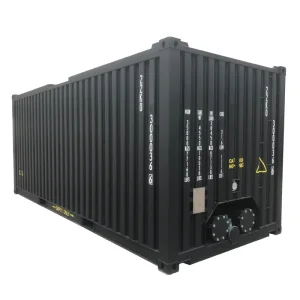
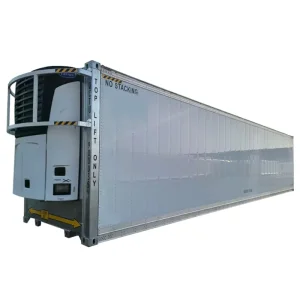
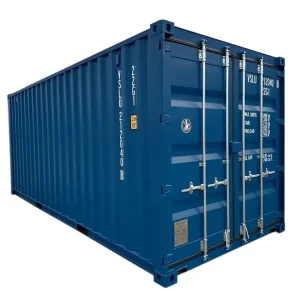
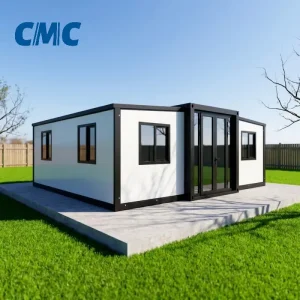
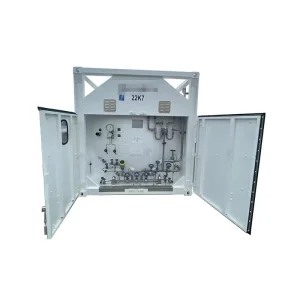
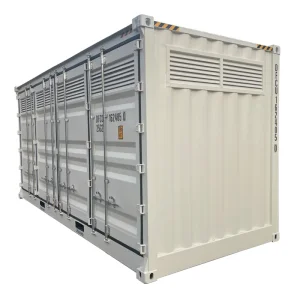

A systematic breakdown of capital expenses (CAPEX), operating parameters (OPEX), and critical engineering customizations that shape the final export quotation.
The primary cost driver in any super freezer build is the refrigeration powertrain. Single-stage platforms (suitable to -35°C) represent the baseline investment. Stepping up to true -60°C or -80°C cascade compressors adds between $8,000 and $16,000 per unit, depending on whether Thermo King SuperFreezer, Daikin, or specialized dual-compressor setups are specified. Buyers must balance the value of their cargo against compressor failover guarantees.
Cryogenic cargo cannot tolerate transit blind spots. Enterprise procurement teams routinely specify automated satellite/cellular dual-mode telematics units with backup battery systems. These stream real-time temperature, supply air/return air variations, compressor head pressures, and door-open events to enterprise ERP systems. For remote deployments, integrated clip-on diesel generator sets (gensets) add self-sustaining operational capability.
Initial purchase cost represents only a fraction of total life-cycle expense. Substandard insulation core foam degrades over time, causing compressor run times to climb by as much as 45% within 36 months to maintain -60°C. Investing in high-density vacuum insulation panels (VIP) and precision stainless-steel structural thermal breaks delivers measurable electric and fuel savings across a 15-year marine deployment lifecycle.
Direct guidance from our design engineering and export logistics desks on configurations, maintenance, and power infrastructure.
Super freezer cascade systems typically require a 380V/440V 3-phase 50/60Hz primary electrical supply, protected by a 32A to 50A circuit breaker depending on the compressor stage startup profile. When deployed on job sites or vessels with unstable power, we recommend configuring integrated soft-starters or pairing with a dedicated 460V heavy-duty clip-on diesel generator set.
A blast freezer is engineered for high-enthalpy sensible heat removal, using high-velocity airflow and oversized evaporators to rapidly pull warm cargo (like fresh fish or warm meat carcasses) through the latent phase of crystallization within hours. A super freezer is designed to maintain extreme sub-zero temperatures (e.g., -60°C to -80°C) during long ocean transit or strategic cold-storage preservation, preventing quality loss over extended periods.
Every newly built container carries a CSC (Convention for Safe Containers) safety plate certified by international classification societies such as Bureau Veritas (BV), Lloyd's Register (LR), or China Classification Society (CCS). Offshore units comply with DNV 2.7-1 / EN 12079 structural standards, which require specialized drop, tilt, and multi-point dynamic lift proof-load testing.
Yes. As an OEM and ODM container manufacturer, we configure custom dimensions including 10ft, 20ft, 40ft High Cube, and widened pallet-wide profiles. Specialized access configurations—such as full side-opening doors, automated air curtains, internal safety butcher releases, and heavy-duty butcher tracks—can be engineered directly into the structural drawings prior to plate cutting.
Standard catalog units and high-quality inspected used containers ship from our port yards within 7 to 10 days of commercial sign-off. Engineered OEM/ODM super-freezer builds usually require a 4 to 6 week manufacturing cycle. This window includes complete structural fabrication, high-density VIP assembly, refrigeration matching, and 48-hour continuous sub-zero testing prior to port positioning.
Refrigeration powertrains from Carrier Transicold, Thermo King, and Daikin carry their respective global manufacturer warranties and can be serviced through their worldwide depot networks across more than 100 countries. For bespoke structural parts, valves, and VIP replacement panels, our factory maintains air-dispatch inventory, shipping critical parts to any major maritime hub within 72 hours.