Explore initial factory-direct builds designed for harsh offshore dynamics, bulk liquid and mineral hauling, and intermodal temperature regulation.
A comprehensive analysis of spatial optimization, structural modifications, specialized thermal linings, and dynamic load securing for tier-one industrial operations.
Global logistics demands maximum usable cubic capacity without compromising tare weight. Inside shipping container modifications must calculate deflection stress on longitudinal side sills and roof bows under standard 9-high fully loaded stacking (ISO 1496-1). When buyers request interior partitions, secondary bulkheads, or recessed machinery niches, structural reinforcement with cold-formed Corten channel sections ensures transverse stiffness remains uncompromised.
Active and passive temperature control regimes require precision inside container engineering. Standard dry shells altered for cold-room usage or hazardous chemicals utilize high-density injected polyurethane foam (40–45 kg/m³) directly between corrugated Corten outer walls and inner food-grade Stainless Steel (MGSS or SUS304) or prepainted aluminum alloy sheeting. This eliminates thermal bridging while guaranteeing pressure wash-down sanitization compliant with US FDA and EU food safety standards.
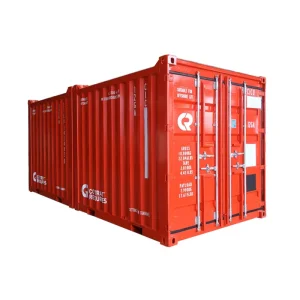
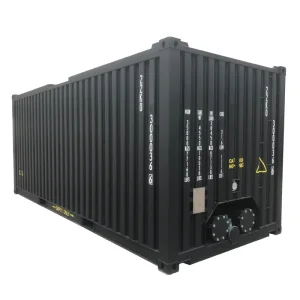
For maritime drilling and platform supply operations, internal cargo containment requires strict conformity to DNV 2.7-1 / EN 12079 and ISO 10855. Interior floor surfaces are engineered with non-slip diamond checker steel plate, continuously seam-welded to prevent liquid penetration into crossmembers. Integrated certified internal lashing D-rings (rated from 2.5t to 5.0t tensile limit) and internal cargo webbing tracks protect sensitive tool strings, drill bits, and core samples under heavy sea-state roll and pitch forces.
Bridging global supply chains with purpose-built internal modifications for cold storage, chemical processing, battery energy systems, and modern remote operations.
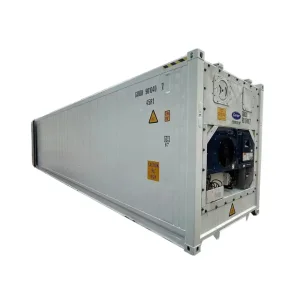
For fresh produce, pharmaceuticals, and protein transit, inside container environments maintain strict setpoints from -30°C to +30°C. Factory-installed extruded aluminum T-bar flooring acts as an air duct to maintain continuous bottom-up airflow, avoiding hot spots. Seamless interior linings prevent bacterial harborage and permit high-pressure chemical sanitization.
With global electrification, container interiors are increasingly outfitted as Battery Energy Storage Systems (BESS). Factory customizations feature A60 fire-rated thermal barriers, integrated aerosol fire suppression manifolds, pre-fabricated battery racking brackets, and explosion-relief roof hatches engineered to safely manage overpressure events.
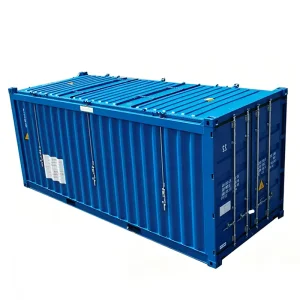
Transporting abrasive ores and viscous bitumen requires specialized internal protection. Reinforced heated asphalt containers feature internal stainless steel heating coil matrices (steam or thermal oil) alongside thick rock wool insulation. Ore containers sport reinforced half-height internal dump angles to ensure total discharge without structural hang-ups.
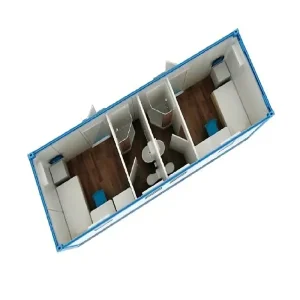
Turnkey living quarters, remote medical clinics, and exploration camps utilize structurally adapted 20ft and 40ft shells. Interiors include sound-dampened mineral wool panels, concealed electrical conduits complying with IEC standards, integrated plumbing chases, vinyl floor overlays, and double-glazed thermal break windows engineered for harsh climates.
Compare standard factory parameters across various modified and specialized interior shipping container configurations.
| Container Classification | Internal Linings / Core | Floor Substructure | Lashing / Restraint System | Certified Temp / Pressure Rating | Standard Certification |
|---|---|---|---|---|---|
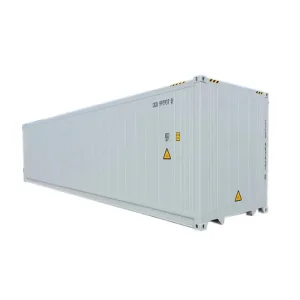
| 40ft HC Reefer Container | MGSS Stainless Steel / 45kg/m³ Injected PUR | Extruded Aluminum Heavy-Duty T-Floor | Recessed Cargo Tie-Down Loops | -30°C to +30°C (±0.25°C stability) | ISO 1496-2, BV, ATP Class FRC |
| DNV Offshore Dry Cargo | High-Yield SPA-H Corten / Epoxy Barrier | 4.5mm–6.0mm Steel Checker Plate Welded | 5,000 kg Rated Forged Internal D-Rings | Design Temp: -20°C to +50°C Dynamic | DNV 2.7-1, EN 12079, ISO 10855 |
| Thickened Foam Passive Insulated | 70mm–100mm Polyurethane / Precoated Al | 28mm Treated Marine-Grade Apitong Ply | Standard Wall E-Track Recessed Belts | Passive Drift ≤1.2°C / 24 hrs | ISO 1496-1, CSC Approved |
| 20ft Heated Asphalt Container | Internal Steam / Thermal Oil Stainless Tubes | Heavy Reinforced Skid Channel Grid | Internal Splash Baffles & Anti-Slosh Bulkheads | Operating Temp up to +180°C continuous | IMDG, ADR/RID, ASME Sec VIII |
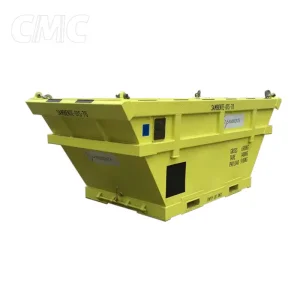
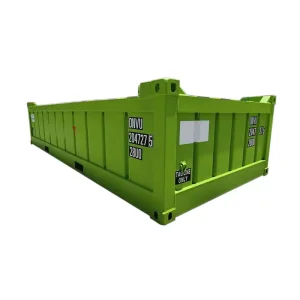
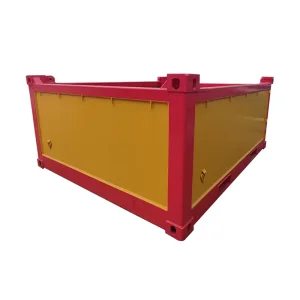
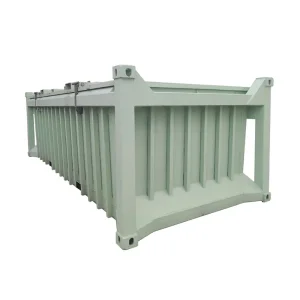
| Offshore Silt Basket / Half-Height | Open-Top / Low Corrugation Blast Cleaned | Self-Draining Perforated Heavy Steel Plate | Multiple Internal Anchor Cleats + Slings | Max Gross Weight up to 15,000 kg | DNV 2.7-1 Dynamic Lift Certified |
| Modular Accommodation Container | Fire-Resistant MGO Board / Mineral Wool Insulation | Fiber-Cement Subfloor + Commercial PVC Layer | Internal Partition Structural Stud Anchors | A1 Non-Combustible Interior Linings | ISO Modular Building Standards, CE |
Anticipating international trade regulations, structural lightweighting, and smart sensor integration across global supply lines.
Factory-integrated micro-sensor nodes embedded directly inside the insulation matrix continuously log temperature gradients, internal humidity levels, atmospheric pressure, door tamper status, and three-axis dynamic shocks. Real-time satellite transmission guarantees comprehensive cold-chain audit trails.
Transitioning from traditional thick polyurethane blocks toward ultra-thin silica aerogel composite blankets and Phase Change Materials (PCM). This yields a 35% reduction in internal wall thickness while maintaining identical R-values, recovering up to 2.4 cubic meters of valuable freight capacity inside a 40ft High Cube container.
Replacing traditional tropical hardwood Apitong flooring with high-strength bamboo-composite panels or continuous fiber-reinforced thermoplastics (CFRT). These panels offer zero chemical off-gassing, total rot immunity, superior resistance to forklift wheel rutting, and an overall reduced lifecycle carbon footprint.
Integrating flexible rooftop CIGS solar photovoltaic skins with ultra-compact internal battery buffers to power interior ventilation, active telemetry, and auxiliary cooling compressors during intermodal rail or depot dwell times without requiring external 380V/460V shore power connections.
How CIMIC leverages strategic manufacturing clusters in Tianjin and Suzhou to maximize landed ROI and streamline international supply chains.
Located roughly 100 kilometers from prime northern and eastern maritime gateways (Tianjin Port and Shanghai/Ningbo channels), our manufacturing bases dramatically curtail empty drayage costs. Finished units are moved quickly onto direct container vessel sailings or booked for "one-way cargo loading" export arrangements, delivering immense freight cost savings to the buyer.
By establishing long-term strategic procurement pacts with major national steel mills for genuine Corten SPA-H hot-rolled coils, CIMIC insulates clients against extreme market volatility. In-house roll-forming, automatic robotic shot blasting, and computerized primer application assure every structural frame component achieves a zinc-rich coating of ≥30μm before welding.
Direct engagement with our CAD/CAM design department cuts months from procurement timelines. From unique side-opening doors, custom interior roll-up bulkheads, and dual-temperature compartments to specific hazardous gas sensor integrations, our factory lines execute bespoke builds at scalable industrial unit costs.
Rigorous multi-stage factory verification guarantees each unit withstands the extreme mechanical dynamics of sea, rail, and heavy truck haulage.
Every dry, insulated, and specialized container series holds full type approval and individual unit inspection certificates issued by leading classification bodies, including Bureau Veritas (BV), Lloyd's Register (LR), or China Classification Society (CCS), adhering to CSC 1972 mandates.
Offshore containers undergo mandatory dynamic proof-load tests up to 2.5 × Maximum Gross Weight (MGW) and vertical impact drop testing in accordance with DNV 2.7-1 / EN 12079 standards. Slings, shackles, and interior anchor rings receive full NDT ultrasonic and magnetic particle weld inspections.
Refrigerated and insulated containers undergo stringent thermal heat-loss coefficient (K-value) testing in controlled climate chambers to ensure compliance with ATP standards. High-pressure air-decay and vacuum pressure testing confirm micro-leakage thresholds below international maritime allowances.
100% of finished containers pass a high-pressure water deluge chamber test, projecting water at 200 kPa through multi-directional nozzles over all door gaskets, roof welds, and ventilation seams to verify total wind- and water-tight (WWT) integrity before shipping release.
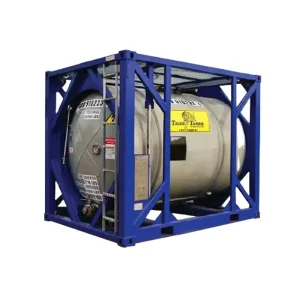
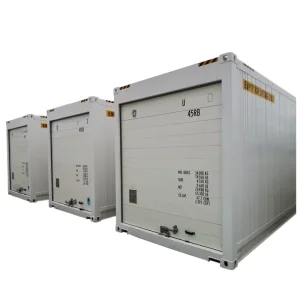
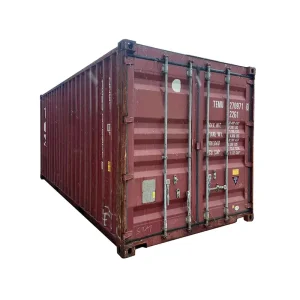
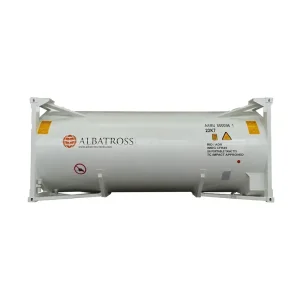
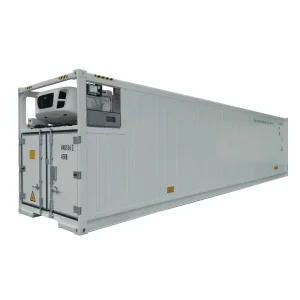
High-cube reefers, specialized gas tank vessels, heavy-duty ore carriers, and enhanced insulated units built to international standards.
Authoritative technical and procurement guidance compiled by CIMIC sales engineers and naval architects.
Any modification that preserves primary load-bearing members (corner posts, corner castings, top and bottom side rails, front and rear sills) can maintain CSC approval. Interior wall cladding, non-structural partitions, thermal insulation, electrical conduits, and floor overlays are routinely approved under our Bureau Veritas design appraisal without invalidating stack test ratings.
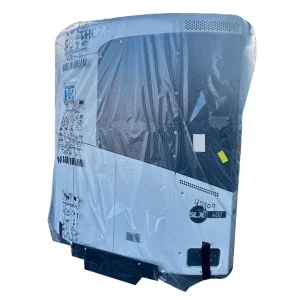
CIMIC partners with global leaders including Thermo King, Daikin, and Carrier Transicold. Units can be factory-configured for 380V/460V 3-phase 50/60Hz dual voltage or paired with under-slung diesel generator sets (gensets) for uninterrupted intermodal railway and over-the-road hauling across non-electrified corridors.
Offshore containers are engineered specifically to survive rough offshore crane handling and dynamic dynamic vessel motions. They feature higher impact-resistant steel grades (-20°C Charpy V-notch toughness), permanently attached 4-point certified wire rope lifting slings, lack ISO corner castings on tops (to prevent incorrect lashing on cargo vessels), and include interior impact-absorbing cargo protection.
For custom interior fabrications (such as roll-up doors, custom side access, internal heating loops, or special insulation thicknesses), typical prototyping and engineering drawing sign-off takes 10 to 14 days. Production runs generally require an MOQ of 1 to 4 TEUs depending on tooling complexity, with standard order completion within 25–35 days from receipt of deposit.
We mitigate condensation risk through several technical methods: applying thermal anti-condensation ceramic coatings to internal ceiling surfaces, installing high-flow weatherproof baffle vents, injecting continuous closed-cell polyurethane foam cores, or deploying custom desiccant integration slots designed to maintain dew-point margins across tropical-to-polar shipping routes.
Yes. All factory lines support custom exterior and interior polyurethane topcoats matched to RAL color codes, along with high-durability decal application. Prior to factory gate release, buyers receive complete test dossier packs including floor load deflection reports, weld NDT records, water deluge test certificates, and third-party inspection sign-offs.