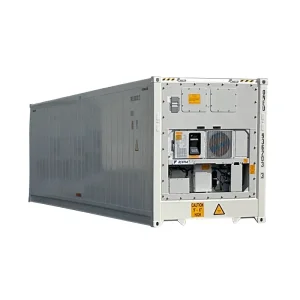
Explore immediate-dispatch standard dry units, precision temperature-controlled cold storage boxes, cryogenic pressure vessels, and specialized heavy-haul transport equipment.
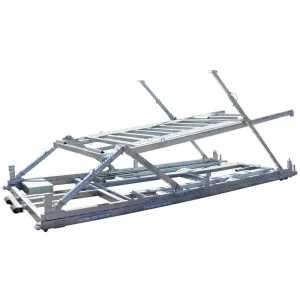
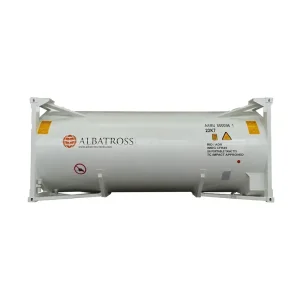
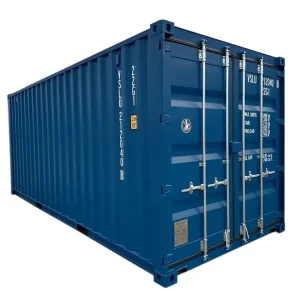
An in-depth metallurgical, logistical, and commercial analysis of international standard freight equipment across maritime corridors and industrial supply chains.
The contemporary global trade ecosystem is fundamentally anchored upon standard intermodal shipping units certified under the International Convention for Safe Containers (CSC 1972) and ISO 1496-1 parameters. Over 90% of global non-bulk cargo navigates international seaways within Corten-steel containerized envelopes. However, commercial requirements have aggressively bifurcated over the last decade: while baseline high-volume liner shipping necessitates ultra-durable, highly uniform 20ft and 40ft High-Cube dry boxes, modern industrial procurement mandates advanced, highly specialized container architectures capable of managing volatile petrochemicals, cryogenic liquefied natural gases, sensitive biopharmaceuticals, and delicate automotive systems.
As international supply chains emphasize nearshoring, intermodal land-sea connectivity (such as the Eurasian Rail corridors and the Pan-American multimodal transport lines), and localized temperature-controlled food distribution, enterprise procurement managers are re-evaluating total equipment cost. Acquiring overseas containers is no longer merely a spot-market leasing decision; it represents a capital expenditure strategy geared toward mitigating cargo loss, enhancing thermal efficiency, optimizing payload-to-tare ratios, and meeting strict ESG emissions and recycling thresholds.
Technical Compliance Alert: Under current maritime classification society rules (including Bureau Veritas, Det Norske Veritas, and American Bureau of Shipping), intermodal containers operating in commercial shipping lanes must sustain an 8-high to 9-high stacking load test exceeding 192,000 kg on corner posts, combined with rigorous transversal racking resilience tests under ISO 1496/1 section 6.7.
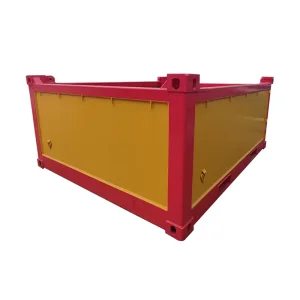
In the offshore sector, standard ISO parameters are insufficient to mitigate dynamic kinetic shock loads, wave sloshing, and sub-zero offshore fatigue. Offshore containers, cargo baskets, and fuel transport skid-tanks are governed by stringent DNV 2.7-1 (BS EN 12079) engineering protocols. These units feature integrated pad-eyes rated for dynamic 4-point bridle lifting, reinforced bottom rails capable of handling forklift misplacement under severe roll, and high-impact specialized Charpy V-notch tested steel capable of preventing brittle fractures at -20°C and -40°C arctic deployment environments.
Every industrial unit manufactured utilizes SPA-H weathering steel (Corten-A), forming a dense, self-healing copper-chromium passivation layer that retards maritime saline oxidation, tripling mechanical service life across harsh salt-spray environments.
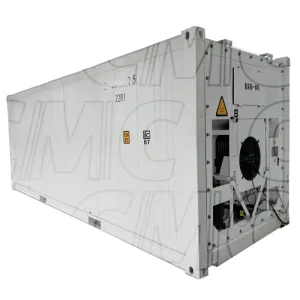
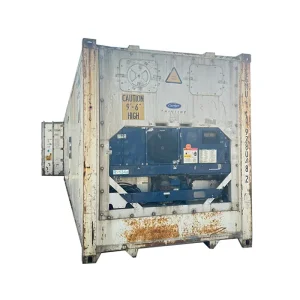
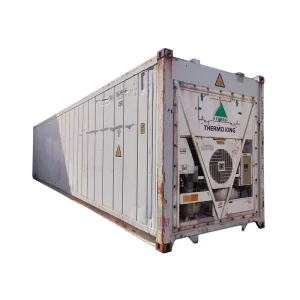
Reefer containers incorporate high-density non-CFC cyclopentane-blown polyurethane foam insulation (k-value ≤ 0.032 W/m²K), paired with inverter-driven hermetic scroll compressors from Daikin, Carrier, and Thermo King for sub-0.2°C temperature precision.
Full conformance with CSC, TIR Customs Convention, UIC rail codification, IMDG hazardous liquid code, and DNV offshore lifting regulations ensures seamless transitions from ocean cellular container vessels to skeletal road chassis and rail flatcars.
How China's fully integrated steel, robotics, and port ecosystem provides undeniable cost-to-performance efficiency for global container fleets.
China manufactures approximately 95% of the world's intermodal shipping containers, a position established not solely through aggregate capacity, but through a deeply synchronized metallurgical and industrial ecosystem. Our production bases in Tianjin and Suzhou are located within a 100-kilometer radius of deepwater container berths, drastically truncating pre-carriage logistics expenses, ocean positioning lead times, and dispatch staging friction.
The manufacturing process begins with blast-cleaning hot-rolled SPA-H Corten steel strips to SA 2.5 cleanliness standards, removing mill scale to ensure an unyielding mechanical key for multi-stage coating adhesion. Automated roll-forming mills fabricate corrugated side and roof panels with tight dimensional tolerances within ±1.5mm. Robotic welding gantries execute metal active gas (MAG) fillet welds along structural longitudinal corner castings, cross-members, and forklift pockets, eliminating micro-porosity and ensuring flawless structural shear resistance under extreme sea-state torsion.
Marine corrosion prevention represents the core line of defense for overseas equipment. Modern assembly lines feature four-coat robotic electrostatic paint systems: a zinc-rich epoxy primer (providing sacrificial cathodic protection), an epoxy intermediate barrier layer, and an ultra-tough polyurethane or acrylic topcoat formulated to withstand high ultraviolet (UV) solar radiation and continuous saline washdown. Total Dry Film Thickness (DFT) consistently exceeds 120μm on exterior profiles and 200μm on understructures coated with heavy bitumastic anti-abrasion compounds.
Furthermore, China's end-to-end component clusters—encompassing forged ISO 1161 corner castings, EPDM high-elasticity double-lip door gaskets, zinc-plated anti-rack locking bars, and high-density marine-grade hardwood plywood flooring treated in accordance with Australian Department of Agriculture (AQIS) quarantine requirements—ensure every unit satisfies international border control and heavy transport requirements directly off the production line.
From transoceanic cold chains to extreme offshore hydrocarbon exploration and modular urban development, explore how specialized container units perform in the field.
Engineered for high-value meats, fresh produce, and pharmaceutical biotics. Equipped with digital microprocessors, continuous datalogging, modulated gas injection (controlled atmosphere), and USDA cold treatment protocols to eliminate agricultural pests while keeping pulp temperature variance under 0.1°C.
High-density payloads such as copper concentrates, lithium spodumene, zinc ore, and heavy drilling equipment require extreme floor loading resistance. Reinforced transverse under-floor I-beams and low centers of gravity facilitate tipper discharge and overhead crane hook-loading.
Operating under hazardous North Sea and Gulf of Mexico maritime environments. Features Charpy impact-tested structural members, certified four-leg wire rope lifting slings, and containment barriers specifically engineered to haul drilling muds, aviation kerosene, and completion acids.
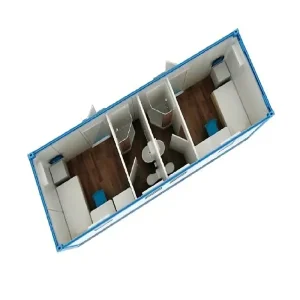
Containerized lithium-ion Battery Energy Storage Systems (BESS) and turnkey offshore/mining camps. Features factory-integrated thermal management, aerosol fire suppression, rockwool sound/thermal acoustic dampening, and ISO corner castings for rapid plug-and-play stacking.
| ISO Category / Spec | External Dimensions (L × W × H) | Tare Weight (±2%) | Max Payload Capacity | Internal Volume | Core Industrial Application |
|---|---|---|---|---|---|
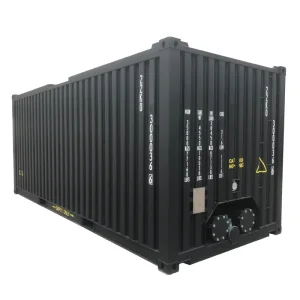
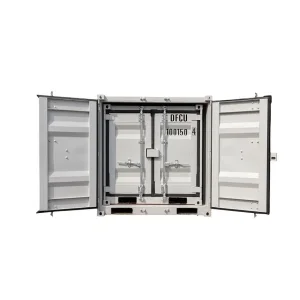
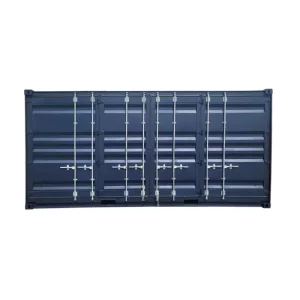
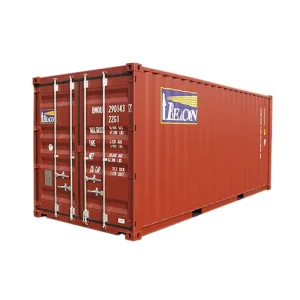
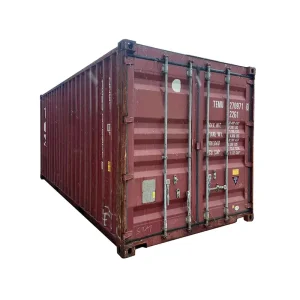
| 20ft Standard Dry Box | 6,058 × 2,438 × 2,591 mm | 2,200 kg | 28,280 kg | 33.2 m³ (1,172 cu.ft) | General containerized breakbulk, machine parts, site security storage |
| 40ft High-Cube Dry Box | 12,192 × 2,438 × 2,896 mm | 3,800 kg | 26,680 kg | 76.4 m³ (2,698 cu.ft) | High-cube FMCG, textiles, e-commerce intermodal pallet loads |
| 40ft High-Cube Reefer | 12,192 × 2,438 × 2,896 mm | 4,480 kg | 29,520 kg | 67.5 m³ (2,385 cu.ft) | Seafood, frozen poultry, berries, biopharma vaccines, cold rooms |
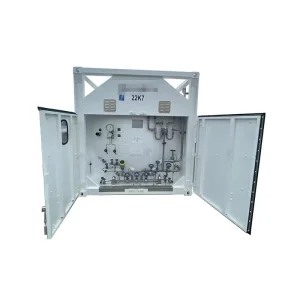
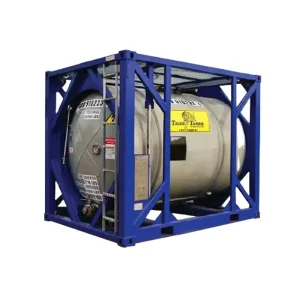
| 20ft ISO T75 Cryogenic | 6,058 × 2,438 × 2,591 mm | 8,600 kg | 25,400 kg | 20,000–22,000 Liters | Bulk liquefied natural gas (LNG), liquid nitrogen, oxygen, ethylene |
| DNV 10ft Offshore Basket/Tank | 2,991 × 2,438 × 2,591 mm | 2,450 kg | 10,000 kg | 14.8 m³ | Subsea maintenance tools, offshore rig drilling chemicals, oil skids |
How IoT integration, low-GWP refrigerants, solar-hybrid microinverters, and structural metallurgy are driving the next cycle of container innovation.
The intermodal container industry is currently experiencing a technological paradigm shift centered around decarbonization and end-to-end telemetric visibility. For decades, the standard shipping container operated as an unmonitored structural steel shell. Today, the convergence of satellite IoT telematics, low-power sensor arrays, and algorithmic refrigeration controllers is transforming shipping equipment into active, intelligent edge devices.
Modern reefer and high-value chemical ISO tanks are now integrated with built-in GNSS positioning, cellular/satellite dual-link transceivers, and optical sensor packages. Logistics directors can monitor supply chain variables in real time: internal air temperature, return air flow, relative humidity, oxygen/CO2 concentrations, battery voltage, and sudden G-force kinetic shock profiles indicative of harsh port crane landings. Predictive maintenance algorithms detect anomalous compressor motor vibrations or refrigerant gas micro-leaks days before system breakdown, radically diminishing en-route cargo loss.
In off-grid and developing port environments where diesel generator sets (gensets) are notoriously carbon-intensive, the adoption of solar-coupled DC inverter refrigerated units represents a massive technological leap. Rigid lightweight monocrystalline photovoltaic panels seamlessly contoured onto container roof valleys supply supplementary electricity to variable-frequency DC scroll compressors. This system reduces diesel consumption during overland truck transit and long terminal dwell times by up to 35%, ensuring cold chain continuity even during unexpected power grid disconnections.
As liquefied industrial gases (LNG, Liquid Nitrogen, and clean Hydrogen carriers) surge in transport volume, T75 cryogenic containers are replacing standard vacuum perlite insulation with advanced multi-layer vacuum super-insulation (MLI) incorporating nano-aerogels. This minimizes daily boil-off rates (BOR < 0.15% per day), maintaining critical liquid holding times for up to 90 days of intermodal transoceanic voyages without active venting.
Essential checklist for supply chain directors, fleet managers, and engineering heads when acquiring overseas container assets.
Procuring industrial-grade shipping containers demands strict adherence to engineering audits rather than selecting units based purely on spot CIF prices. Substandard steel substitutions, irregular weld passes, or cheap asphalt sealers can result in container wall collapse, floor delamination under dynamic forklift axle loads, and rapid rust breakthrough in marine environments. When building an equipment procurement specification or issuing an international Request for Proposal (RFP), corporate buyers must mandate the following verification checkpoints:
Require raw steel Mill Test Reports verifying authentic Corten-A / SPA-H chemistry (Carbon ≤ 0.12%, Chromium 0.50–1.25%, Copper 0.25–0.55%, Nickel 0.65% max) with certified yield strength exceeding 345 MPa to resist severe racking forces.
Ensure an electromagnetic DFT meter verification profile: minimum 30μm zinc primer, 40μm epoxy barrier, and 50μm topcoat. Request 1,000-hour ASTM B117 salt spray exposure test data verifying zero rust creep from scribed lines.
Wood flooring must consist of 28mm 19-ply hardwood veneers bonded with Phenolic WBP (Water Boiling Proof) adhesive, pre-treated with certified copper-based or permethrin preservative compounds complying with Australia AQIS timber treatments.
For specialized tank containers (T11, T14, and T75 categories), procurement teams must audit the pressure vessel design approvals under ASME Section VIII Division 1, IMDG, ADR/RID, and US DOT regulations. Inspection must confirm ultrasonic thickness testing (UT) of shell plating, full radiographic examination of main circumferential butt welds, and hydrostatic pressure testing at 1.5 times the Maximum Allowable Working Pressure (MAWP).
Clear, definitive answers from factory engineers regarding dimensional standards, certification, cooling machinery, and global delivery methods.
Corten-A (JIS G3125 SPA-H) contains deliberate metallurgical alloy additions of copper, chromium, and nickel. When exposed to ocean moisture, it forms an impermeable barrier layer of dense amorphous basic sulfates and phosphates that blocks oxygen ingress. Standard mild steel (like Q235B) forms loose, porous iron oxide flakes that trap moisture and accelerate structural perforation.
Carrier Transicold (e.g., PrimeLINE) offers widespread worldwide service technician availability and high power efficiency at moderate chill ranges. Daikin units excel in deep-freeze stability (down to -30°C) with highly robust direct-drive inverter scroll compressors. Thermo King (e.g., Magnum Plus) provides the deepest chilling pull-down speeds (down to -40°C), making it the premier choice for sushi-grade tuna and ultra-low temperature bio-cargo.
Per DNV 2.7-1 and EN 12079 guidelines, offshore containers must undergo a rigorous annual visual inspection, periodic non-destructive testing (NDT) including MPI (Magnetic Particle Inspection) on lifting pad-eyes and welds every 48 months, and proof-load testing following any major structural structural modification or structural repair before offshore deployment.
Yes. To eliminate costly deadhead empty repositioning charges, new containers produced in our Tianjin and Suzhou yards can be matched with verified commercial freight forwarders to load export cargo on a one-way (cabotage) voyage to destination ports in Europe, North America, Australia, or Latin America, delivering the units at near-zero ocean freight cost.
The Institute of International Container Lessors (IICL-6) standard is the most stringent inspection protocol in the container leasing sector, allowing minimal panel denting and very tight tolerances on door gear alignment and understructures. Cargo Worthy (CW) guarantees that the container is structurally intact, wind- and watertight, and CSC-certifiable for ocean transit, but allows cosmetic oxidation and minor dents.
For custom engineering modifications based on standard ISO dimensions (such as adding full-side roll-up shutters, special interior lashing rails, custom access manholes, or unique corporate RAL polyurethane colors), the typical MOQ is 2 to 4 units. Bespoke modular housing, specialized BESS battery enclosures, or DNV offshore tanks can be engineered and manufactured from a single prototype unit onward.
Procure cryogenic liquid tanks, insulated heated bitumen carriers, specialized solar hybrid reefers, and certified offshore logistics structures.