High-precision internal volume dimensions verified for optimum payload cubic foot efficiency across offshore, cold chain, and bulk industrial transit.


The industrial definition of shipping container utility is fundamentally anchored in its volumetric envelope—measured precisely in usable cubic feet (cu ft) and cubic meters (cbm).
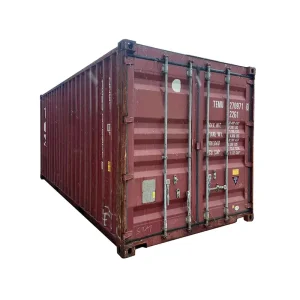
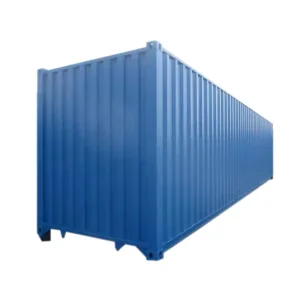
In modern intermodal freight logistics, maximizing volumetric utilization directly translates into lowering the carbon intensity per ton-mile and optimizing landed unit costs. A standard ISO 20ft dry freight container yields an internal volume of approximately 1,172 cubic feet (33.2 m³), while a standard 40ft dry unit expands to approximately 2,390 cubic feet (67.7 m³). The emergence of the 40ft High Cube (HC) configuration, yielding 2,694 to 2,700 cubic feet (76.3 m³), revolutionized high-bulk, low-density cargo economics by delivering an incremental ~300 cubic feet (+12%) of usable vertical envelope within the same terminal footprint.
CIMIC Group (Tianjin Cimic Imp&Exp Co., Ltd.), founded in 1983, has engineered intermodal hardware to solve volumetric and metallurgical constraints across multiple economic cycles. Manufacturing bases situated in Tianjin and Suzhou—strategically positioned within 100 kilometers of the world's most active sea terminals—enable CIMIC to transition custom-engineered cubic foot enclosures from CAD development to dockside loading with unprecedented velocity.
Fabricated using cold-rolled, atmospheric corrosion-resistant SPA-H Corten steel. Yield strength exceeds 345 MPa, maintaining dimensional tolerances across high-stress maritime wave impacts.
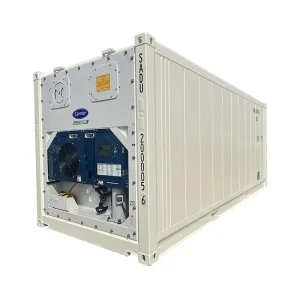
Reefer and insulated variants feature high-pressure injected cyclopentane-blown polyurethane foam insulation, achieving minimal thermal conductance (K-value ≤ 0.38 W/m²·K) while preserving cubic envelope.
Engineered for 9-high fully loaded ISO stack testing (up to 216,000 kg stacking load at corner castings). Corner fittings forged from casting steel SCW480 ensure zero racking distortion under rough seas.
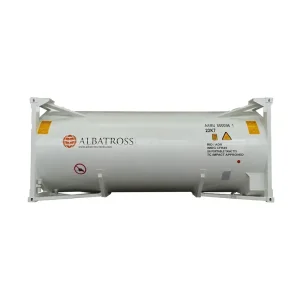
From Tier-1 container leasing conglomerates to specialized LNG infrastructure developers, containerized volumetric assets serve as critical capital equipment.
The global shipping container market operates at the intersection of international trade cycles, cold chain infrastructure buildouts, and modular energy transition schemes. Importers across Europe, North America, Latin America, Africa, and Oceania require high volumetric repeatability, stringent quality documentation, and traceable raw material origin. As modern cargo diversifying into volatile battery storage modules, active pharmaceutical ingredients (APIs), and offshore subsea support machinery, the standard dry box has splintered into complex specialized platforms.
CIMIC operates dual manufacturing centers along China's primary maritime corridor, integrating high-throughput automated robotic welding, automated shot-blasting, and multi-stage zinc-rich epoxy paint application lines. This structural footprint enables cost-effective single-unit custom prototypes as well as multi-thousand-TEU fleet replenishments delivered directly into container depots in Shanghai, Qingdao, and Tianjin.
Specially adapted for trans-Eurasian railway routes and intermodal road trailers, with strengthened bottom side rails and fork pockets engineered to withstand extreme humping forces.
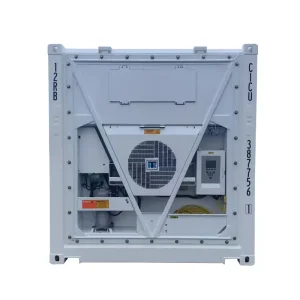
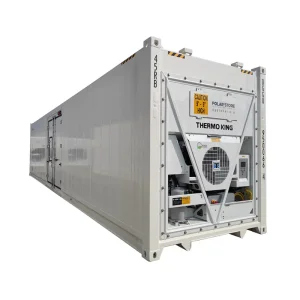
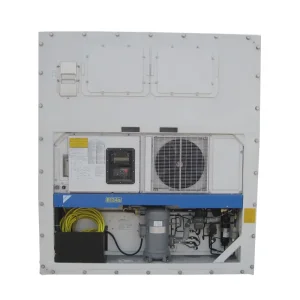
Factory installation and testing of Carrier, Thermo King, and Daikin machinery units, delivering precise digital temperature management between -40°C and +30°C for perishable cargoes.
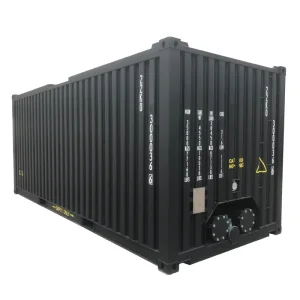
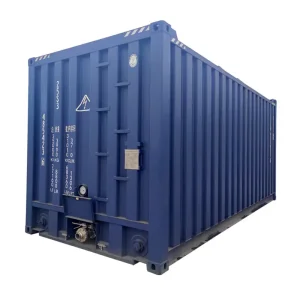
DNV-ST-E271 (formerly DNV 2.7-1) and EN 12079 compliance for dynamic open-sea offshore crane lifting, with operational capability certified down to arctic temperatures (-20°C to -40°C).
Every cubic foot container unit leaving CIMIC manufacturing gates undergoes verified quality inspection, non-destructive weld testing, and statutory classification validation.
CIMIC maintains direct partnerships with international classification bodies including Bureau Veritas (BV), Det Norske Veritas (DNV), American Bureau of Shipping (ABS), and China Classification Society (CCS). Every intermodal container is issued a valid International Convention for Safe Containers (CSC) Safety Approval Plate, certifying racking, end-wall strength, side-wall load ratings, and roof withstand pressures according to ISO 1496/1.
All hardwood marine plywood flooring conforms strictly to Australian Department of Agriculture, Fisheries and Forestry (DAFF) quarantine treatment standards (TCT/immunization against borers). Exterior surfaces undergo automated SA 2.5 grit-blasting followed by multi-coat waterborne or high-solids zinc-rich epoxy paint systems, delivering proven salt spray resistance exceeding 1,500 hours under ASTM B117 standards.
Engineered solutions bridging the gap between heavy intermodal freight logistics and specialized localized operational demands.
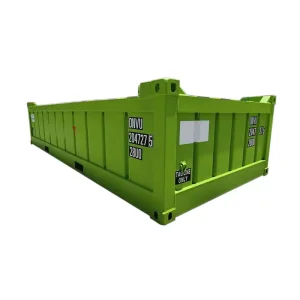
Reinforced half-height open top containers and ore carriers built for high-density, low-volume mineral ores, providing low centers of gravity and high dynamic lift safety factors.
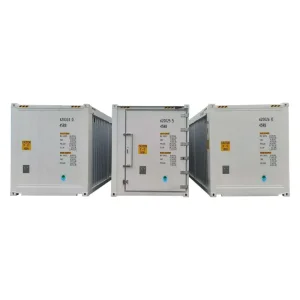
40ft HC three-in-one combination and side-access reefer systems deployed as turn-key decentralized cold warehouses on agricultural hubs, fishery docks, and distribution parks.
Modified cubic foot shells engineered for Battery Energy Storage Systems (BESS), mobile data centers, and water treatment skids with acoustic attenuation and fire-rated insulation.
The future of cubic foot container manufacturing pairs decarbonized production methods with onboard telemetry and advanced material science.
Adoption of ultra-high-strength steel grades and bamboo-composite floors to cut tare weights by up to 8%, directly expanding cargo payload margins without sacrificing stack strength.
Integration of factory-embedded solar-powered IoT sensors monitoring internal cubic foot environmental parameters (temperature, humidity, atmospheric composition, shock, and door state).
Development of recyclable PET-based structural thermal panels for reefer and insulated boxes, alongside solar-assisted refrigeration compressors reducing auxiliary fuel draw.
Direct technical clarification on cubic capacity, certification parameters, machinery integration, and logistics dispatch.
Most reefer and dry models are available in 10ft, 20ft, 20ft High Cube, 40ft and 40ft High Cube. Special builds such as side open door, roll-up door, half height and offshore containers are engineered to the project's dimensions and load requirements.
Our reefer range is supplied with mainstream refrigeration units including Thermo King, Daikin and Carrier, so buyers can match the unit to their local service network and spare parts availability.
CIMIC holds a BV shipping certificate and an ISO quality management certificate. Offshore dry cargo containers are manufactured in compliance with DNV certification requirements.
Yes. Buyers can select a model from our catalog or work one-to-one with our engineering team on custom dimensions, door configurations, insulation, coatings, branding and interior fit-out.
New containers are produced at our bases in Tianjin and Suzhou, about 100 kilometers from the seaport. Used containers are held at various Chinese ports, which shortens dispatch time for buyers.
MOQ depends on the degree of customization. Standard new and used containers are supplied in flexible quantities, while bespoke builds are planned per project. Our team will advise the most cost-efficient batch size for your requirement.
Extended container inventory featuring offshore reefers, soft-open tops, side-access portals, heated asphalt logistics, and port-ready inventory.