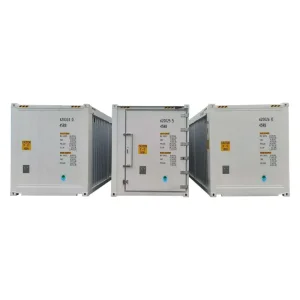
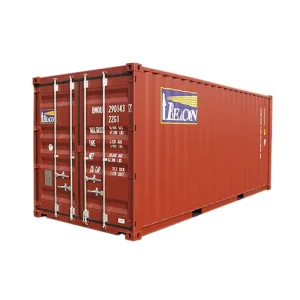
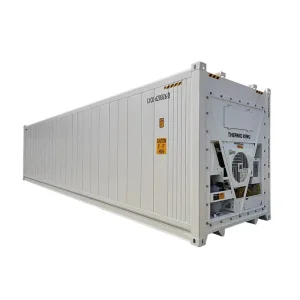
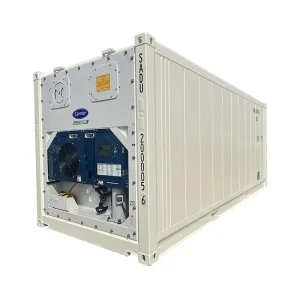
Precision-manufactured units certified under Bureau Veritas (BV), ISO 9001, and DNV offshore directives, engineered across Tianjin and Suzhou production hubs for international intermodal deployment.
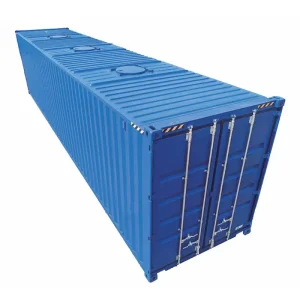
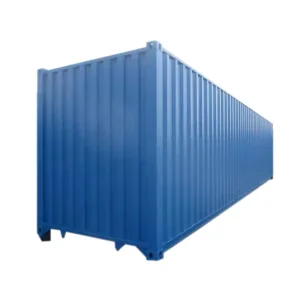
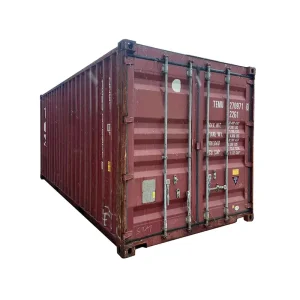
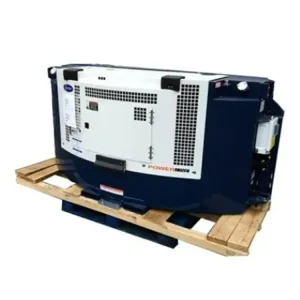
Strategic analysis of off-site modular manufacturing, decarbonization mandates, and supply chain rationalization driving international procurement from Chinese industrial clusters.
The global construction and industrial logistics infrastructure is undergoing a profound paradigm shift. Accelerated by rising on-site labor overheads, stringent carbon-offset mandates, and volatile project delivery timelines, cross-border procurement teams are rapidly abandoning traditional brick-and-mortar methodologies in favor of volumetric modular container systems. As international engineering, procurement, and construction (EPC) conglomerates seek agile turnkey assets, the Chinese manufacturing sector has matured from producing standard ISO dry cargo boxes to fabricating complex, multi-story structural modular habitats, high-voltage battery energy storage system (BESS) enclosures, and remote life-support pods.
The integration of off-site manufacturing (OSM) paradigms reduces overall project construction durations by 40% to 65% compared with conventional building practices. China's modular container ecosystem benefits immensely from complete vertical integration: direct metallurgical supply of weather-resistant SPA-H Corten steel, advanced polyurethane automated foaming lines, integrated robotic plasma cutting, and direct deep-water port access within 100 kilometers of fabrication hubs like Tianjin and Suzhou. This geographic and structural synergy drastically suppresses landed equipment expenditures while guaranteeing structural conformance to international building codes across the Americas, Europe, Australia, and Africa.
Deconstructing the structural integrity, steel alloy grading, corner casting load parameters, and precision tolerances governing high-cube modular container fabrications.
A precision-engineered modular container is fundamentally distinct from standard low-spec intermodal boxes. The superstructure utilizes cold-rolled atmospheric corrosion-resistant Corten steel (specifically JIS G3125 SPA-H or equivalent GB/T 4171 Q345GNHL), providing a minimum yield strength of 345 to 355 MPa. The atmospheric exposure causes a microscopic, highly dense copper-chromium-phosphorus protective oxide film to crystallize, drastically reducing ongoing galvanic oxidation and giving modular frames a service lifespan exceeding 25 to 30 years in aggressively salty offshore environments.
Corner posts and primary perimeter lintels are integrated using automated submerged arc welding (SAW) and pulsed metal inert gas (MIG) robotic arms. Bottom side rails, crossmembers, and fork pockets are engineered to endure dynamic vertical racking forces, with nine-tier stackability certifications verified through rigorous physical prototype compression loading surpassing 86,400 kg per corner casting. Floor framing incorporates high-density phenolic resin-impregnated marine plywood or fiber-reinforced cement boards sealed with waterproof bitumen emulsions, ensuring total wind- and water-tight (WWT) integrity compliant with ISO 1496-1 and Bureau Veritas maritime guidelines.
Full cold-rolled Corten-A metallurgical framework delivering superior yield resilience, high tensile strength, and self-healing protective patinas against marine atmospheric decay.
Robotic precision welding preserves structural squareness within ±1.5 mm tolerance across diagonal planes, eliminating torsion risks during multi-module stacking and mechanical locking.
Continuous thermal barrier insulation ranging from closed-cell polyurethane (PU) foam to non-combustible rockwool cores achieving continuous U-values down to 0.22 W/m²K.
Transparent price benchmarks, component breakdowns, volume discount thresholds, and Total Cost of Ownership (TCO) matrices directly from Chinese production lines.
Procurement budgeting requires an empirical understanding of baseline FOB factory costs versus customization premiums. Pricing is governed primarily by London Metal Exchange (LME) raw hot-rolled coil index prices, thickness of Corten corrugated side panels (typically 1.6 mm to 2.0 mm), insulation thermal density, interior mechanical, electrical, and plumbing (MEP) complexity, and certified third-party testing parameters.
The table below outlines current indicative volume FOB port pricing (Tianjin/Qingdao/Shanghai) for standardized modular, reefer, and specialized intermodal chassis.
| Model / Specification Category | Dimensions (L × W × H) | Structural Metallurgy | Thermal / Core Insulation | FOB Unit Range (USD) | Lead-Time (Batch) |
|---|---|---|---|---|---|
| 20ft Flat-Pack Modular Office/Cabin | 6058 × 2438 × 2896 mm | Galvanized Steel Frame (Q235B) | 75mm Glasswool / EPS Panel | $1,650 – $2,350 | 10 – 14 Days |
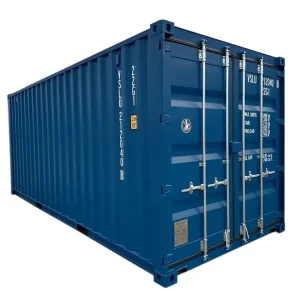
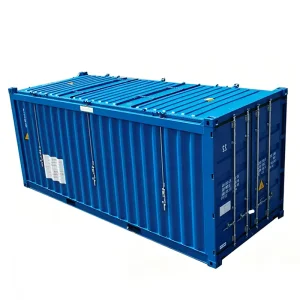
| 20ft High-Cube Standard Modul Container | 6058 × 2438 × 2896 mm | SPA-H Corten-A Weathering Steel | Closed-Cell Spray PU / Rockwool | $3,200 – $4,600 | 15 – 20 Days |
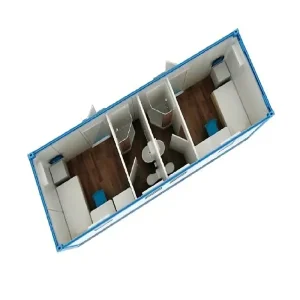
| 40ft High-Cube Turnkey Modular Accommodation | 12192 × 2438 × 2896 mm | Full Corten-A Structural Tube | 100mm Rockwool + Fire-rated MGO | $8,200 – $13,500 | 25 – 30 Days |
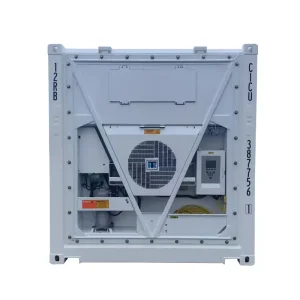
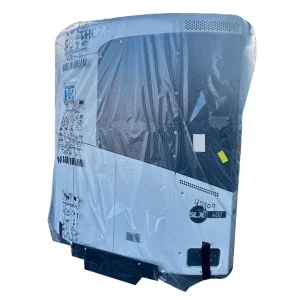
| 40ft High-Cube Reefer Modular Storage (Carrier/Thermo King) | 12192 × 2438 × 2896 mm | Stainless Outer / Corten Frame | Cyclopentane Polyurethane Foaming | $14,800 – $21,500 | 20 – 25 Days |
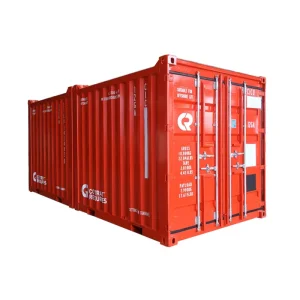
| 20ft DNV 2.7-1 / EN 12079 Offshore Modul Container | 6058 × 2438 × 2591 mm | Impact Tested Structural Steel | A60 Fire-Rated Ceramic Blanketing | $9,500 – $16,800 | 30 – 40 Days |
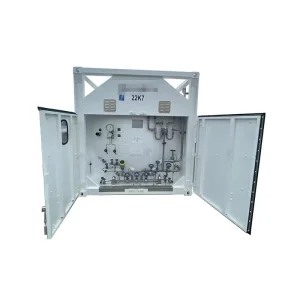
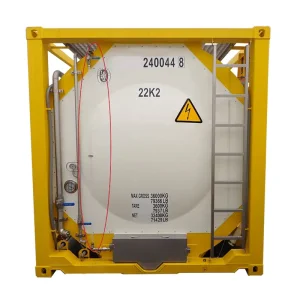
| 20ft ISO T75 Cryogenic Liquid Tank Container | 6058 × 2438 × 2591 mm | Inner S30408 / Outer Q345R Frame | High-Vacuum Multi-Layer Wrap | $23,000 – $36,000 | 35 – 45 Days |
| Bespoke 3-in-1 Expandable Luxury Capsule Module | Custom Extended Envelope | Heavy Reinforced Tubular H-Beam | Aerogel Composite + Vacuum Glass | $15,000 – $28,000 | 25 – 35 Days |
Total Cost of Ownership (TCO) Analytical Assessment: When evaluating capital expenditure (CapEx) against operational expenditure (OpEx), high-grade modular containers demonstrate superior lifecycle value. While low-grade lightweight converted units degrade within 5 to 7 years in severe climates, ISO-grade Corten modular containers feature a 25-year structural amortization schedule, near-zero exterior degradation under continuous C5-M marine exposure, and high residual scrap/resale value (consistently retaining 45%–55% of original purchase value after a decade of commercial use).
Navigating the international web of building codes, electrical schematics, wind uplift loads, and maritime transport approvals.
One of the primary hazards in cross-border modular procurement is purchasing units that fail regional statutory approval upon arrival at the destination port. A world-class Chinese modular container manufacturing partner must provide complete technical documentation verifying structural compliance with the destination territory's civil, structural, seismic, and mechanical codes.
Engineered to comply with the International Building Code (IBC 2021/2024), UL 94 fire ratings, and National Electrical Code (NEC) wiring setups operating at 110V/60Hz with certified conduit trunking.
Factory Production Control certified under EN 1090-1 Execution Class EXC2/EXC3 for structural steel, alongside CE declarations for insulation combustibility (EN 13501-1 Class A1/B-s1, d0).
Structural validation against AS/NZS 1170.2 for Region D extreme cyclonic wind regions (up to 88 m/s), R-value compliance via BCA thermal performance models, and SAA-certified electrical enclosures.
Mandatory Charpy V-notch impact testing at -20°C for offshore subsea and platform container structures, equipped with certified four-point sling sets, pad eyes, and non-destructive testing (NDT).
CSC (Convention for Safe Containers) safety approval plates stamped directly at our factory, certifying stacking capacity, transverse racking, floor strength, and intermodal sea-rail lashing safety.
How leading industrial operators utilize modular container enclosures across extreme operational environments worldwide.
Deploying heavy-duty 40ft High-Cube modular dormitories, mess halls, water filtration systems, and on-site clinics across harsh environments like the Pilbara (Australia) and the Atacama Desert (Chile). Engineered for rapid assembly with minimal site preparation.
Precision-sealed, structurally reinforced containers custom-engineered to house high-density lithium-iron-phosphate (LFP) battery racks, integrated aerosol fire-suppression systems, and precision HVAC cooling loops for grid-scale renewable installations.
Incorporating multi-zone thermal partitioning with Carrier, Daikin, or Thermo King refrigeration equipment, keeping vital vaccines or perishables preserved between -35°C and +25°C while moving smoothly across road, rail, and maritime corridors.
Next-generation innovations in aerogel insulation, digital twin telemetry, structural circularity, and automated modular assembly.
The next ten years will see modular containers evolve from static structural shells into intelligent, responsive assets. Through advanced materials research and automated manufacturing, China's modular container factories are setting new benchmarks for structural performance and environmental sustainability.
Replacing traditional foam cores with 10mm silica aerogel blankets, slashing thermal bridging by 70% while maximizing interior usable floor area.
Integrating stress sensors, humidity probes, and satellite telematics directly into corner casting cavities for real-time asset health monitoring.
Switching to 100% green hydrogen-reduced electric arc furnace (EAF) Corten steel, slashing embodied carbon footprints to meet EU CBAM requirements.
Robotic, crane-free automated twist-lock coupling systems enabling mid-rise volumetric building arrays to be assembled and disassembled rapidly.
Direct answers to core technical, financial, and logistical questions asked by international buyers and engineering teams.
Manufactured using genuine JIS SPA-H / GB Q345GNHL Corten-A steel with proper epoxy zinc-rich primer and polyurethane topcoats (120–160 μm DFT), modular containers have a structural design lifespan of 25 to 30 years under normal atmospheric conditions, and 15 to 20 years under severe C5-M marine exposure.
Sourcing directly from integrated Chinese hubs typically yields direct equipment cost savings of 40% to 60%, even when accounting for ocean shipping costs. Key drivers include consolidated metallurgical supply chains, automated production lines, lower structural labor costs, and convenient coastal shipping connections.
Yes. Fully welded, ISO-compliant modular frames with standardized corner castings are certified to stack up to 9 units high under full cargo loads (exceeding 192,000 kg total gross weight). For architectural projects, stacking configurations up to 3 to 5 stories require no external structural skeletons.
Standard ISO-dimension containers and catalog models are available starting at 1 to 2 units for initial testing and qualification. Fully custom structural models with non-standard dimensions typically require an initial production run of 4 to 8 units to amortize specialized welding jigging and tooling setups.
Standard rigid units are shipped as ISO containers certified with CSC safety approval plates, allowing them to be loaded with cargo or empty directly aboard container vessels without breakbulk premiums. Flat-pack modular models are bundled four units into a single 20ft ISO envelope, saving up to 75% on ocean freight.
Comprehensive Quality Control includes 100% weld visual inspections, ultrasonic testing (UT) and magnetic particle testing (MT) on critical corner casting welds, continuous high-pressure water deluge testing to verify weathertight seals, paint DFT checks, and full dimension checks via laser measurement systems.
Explore our full line of specialized intermodal systems, offshore exploration containers, and cryogenic liquid tanks built for demanding global operations.