Direct manufacturer deployment of specialized intermodal assets, incorporating active thermal regulation, heavy hydrocarbon containment, and extreme marine load-bearing ratings.
The contemporary maritime and terrestrial logistics landscape requires stringent structural durability, compliance with ISO 1496/CSC conventions, and deep cold-chain reliability across multimodal routes.
Global container trade exceeds 850 million TEU movements annually. Shipping lines, energy consortiums, and national rail networks enforce strict payload-to-tare ratios. Intermodal units must endure 9-high stacking profiles loaded to 30,480 kg gross mass under severe roll-and-pitch dynamic vectors encountered during open-ocean transits.
Standard ISO containers cannot withstand offshore dynamic hoist stress. Energy exploration, subsea pipeline installations, and offshore wind substations require vessels engineered to DNV 2.7-1 (BS EN 12079) certifications. These units feature integrated pad-eyes, specialized corner casting alloys, and low-temperature Charpy impact resistance down to -20°C.
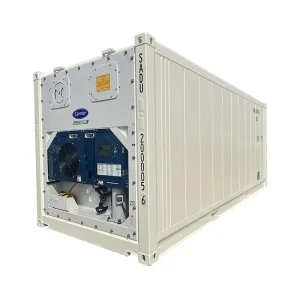
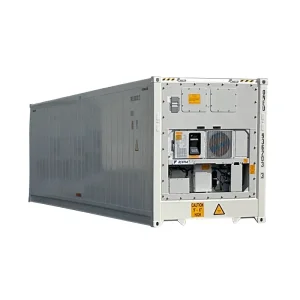
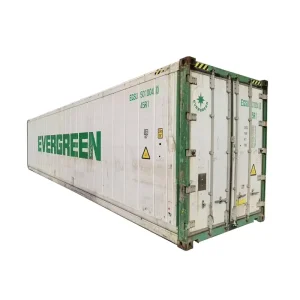
The global perishable distribution sector demands tight environmental tolerance. Modern cold-chain systems integrate active machinery from Carrier Transicold, Daikin, and Thermo King into 40ft High Cube profiles, delivering microclimate stabilization from -35°C to +30°C for biological pharmaceuticals, fresh agricultural perishables, and deep-freeze seafood shipments.
Strategic vertical integration, automated submerged arc welding, and close proximity to major deepwater ports deliver notable throughput, cost advantages, and structural reliability.
Production facilities leverage local steel supply chains for genuine SPA-H atmospheric corrosion-resistant Corten steel. When exposed to ocean salt spray, Corten forms a dense, self-healing oxide patina that arrests oxidation. Yield strengths exceeding 345 MPa maintain dimensional integrity under extreme twisting and heavy deck racking forces.
Robotic multi-axis welding gantries apply consistent seam welds across side-panel corrugations, floor cross-members, and corner castings. Automated lines eliminate cold-lap and slag defects. Automated shot blasting strips steel to SA 2.5 standards before multi-coat zinc-rich epoxy primers and waterproof polyurethane topcoats are cured in bake ovens.
Facilities positioned within 100 kilometers of the Port of Tianjin and major coastal freight terminals optimize intermodal transfer times. Direct access eliminates costly inland transport, enabling quick dispatch for custom builds, specialized bulk tank configurations, and pre-inspected standard cargo fleets straight onto ocean liners.
Container engineering extends well beyond general dry freight. Advanced modifications serve complex logistical, industrial, and heavy engineering missions worldwide.
Transporting raw bitumen requires heated containers that prevent premature cooling. Specialized 20ft units feature internal flame-tube heating circuits, high-density rockwool thermal blankets, and high-flow outlet valves. This allows hot-fill loading, insulated marine transit, and rapid direct discharge at destination paving sites.
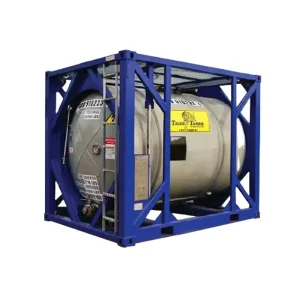
T75 cryogenic tank containers carry refrigerated liquefied gases such as LNG, liquid nitrogen, and liquid argon. Fabricated using austenitic stainless steel inner vessels protected by high-vacuum multi-layer insulation within an outer carbon-steel protective frame, these tanks prevent pressure buildup and boil-off on long voyages.
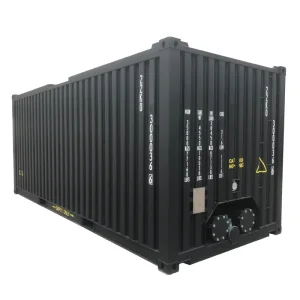
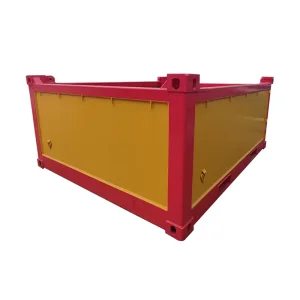
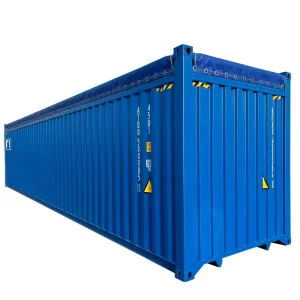
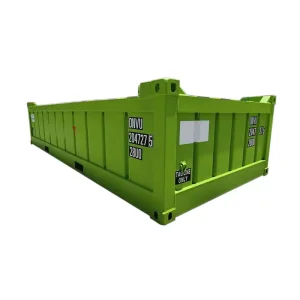
Subsea and rig exploration sites rely on open-top half-height carriers and specialized offshore basket units to haul drill collars, risers, casing pipe, and core samples. Reinforced base frames, certified sling sets, drainage ports, and heavy-duty tie-downs safeguard marine cranes and platform crews during dynamic offloading operations.
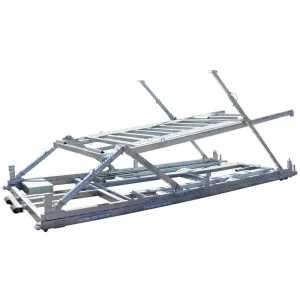
Finished passenger vehicles and electric cars require secure handling to prevent damage during intermodal shipping. Dedicated internal vehicle racking systems turn standard 40ft High Cube containers into high-density car carriers. Adjustable wheel chocks and mechanical lifting decks safely secure up to four passenger cars per container.
A comprehensive side-by-side engineering comparison designed to guide procurement teams, operations directors, and logistics engineers in selecting appropriate container hardware.
| Container Classification | Structural Profile | Material Metallurgy | Thermal / Pressure Range | Target Industries | Certifications |
|---|---|---|---|---|---|
| 40ft High Cube Reefer | 12,192 × 2,438 × 2,896 mm | MGSS Stainless Interior, Corten Exterior | -35°C to +30°C Active Control | Pharma, Cold Chain, Agri-Foods | ISO 1496-2, BV, TIR, ATP |
| 20ft Heated Asphalt Tank | 6,058 × 2,438 × 2,591 mm | Q345R Carbon Steel, Rockwool Wrap | Ambient to +180°C Internal Temp | Road Paving, Liquid Bitumen, Roofing | IMDG, ASME Section VIII, ADR |
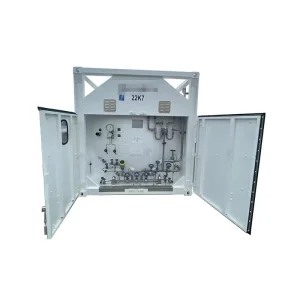
| 10ft Offshore Tank | 2,991 × 2,438 × 2,591 mm | 316L Stainless Steel Shell in Frame | Up to 4.0 Bar Test Pressure | Offshore Rigs, Subsea Petrochem | DNV 2.7-1, EN 12079, ISO 10855 |
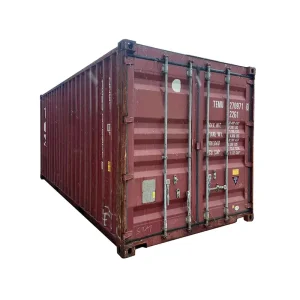
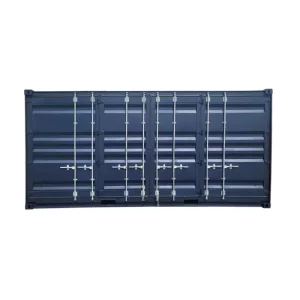
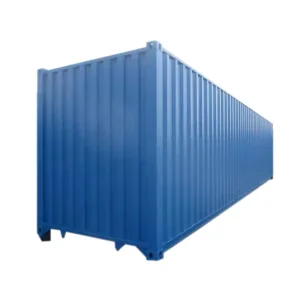
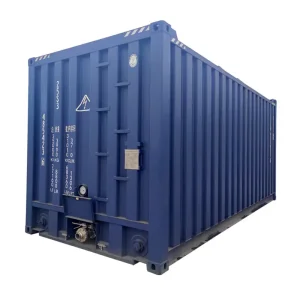
| 40ft Side Open Dry Cargo | 12,192 × 2,438 × 2,591 mm | Full Corten SPA-H Box Construction | Passive Ambient Transport | Machinery, Oversized Freight, Military | CSC, ISO 1496-1, UIC |
| T75 Cryogenic ISO Tank | 6,058 × 2,438 × 2,591 mm | Dual-Shell: Stainless Inner, Carbon Outer | -196°C Liquid Cryogens, 16-22 Bar | LNG, Argon, Liquid Nitrogen, Oxygen | ASME, ADR, RID, US-DOT, IMO-4 |
| Offshore Half-Height Cargo | 6,058 × 2,438 × 1,280 mm | Reinforced Thick-Plate Corten Steel | Sub-zero -20°C Impact Toughness | Drill Pipes, Mining Ore, Chains, Tools | DNV 2.7-1, EN 12079, Lloyd's Register |
Enterprise procurement demands clear insights into IoT telematics integration, environmental regulations, total lifecycle costs, and structural lifecycle management.
Modern reefer fleets are shifting from periodic manual loggers to real-time satellite and cellular transceivers. Built-in IoT sensors continuously track compressor discharge temperatures, power draws, relative humidity, and cargo core conditions. Operators receive automated alerts if parameters drift outside programmed tolerances, helping protect valuable shipments.
Stricter global chemical regulations are accelerating the phaseout of older HFC refrigerants. Next-generation reefer units utilize lower Global Warming Potential (GWP) blends and natural CO2 systems. Thermal insulation lines now use high-density, hydrofluoroolefin (HFO) blown polyurethane foams that improve thermal retention while minimizing ozone depletion.
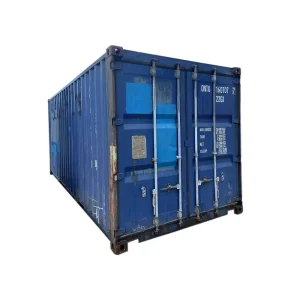
Large-scale purchasing decisions weigh the benefits of new-build hardware against Cargo-Worthy (CW) certified pre-owned units. New containers deliver a predictable 15-to-25 year operational life with low maintenance costs. Cargo-Worthy used units offer an economical option for static jobsite storage, short-run domestic rail routes, and non-critical utility operations.
Explore our certified inventory of soft open-top containers, chemical and alcohol transport vessels, vehicle handling frames, and heavy-duty industrial carriers.

Direct responses from our engineering and export departments covering certifications, steel grades, custom fabrication, and international delivery workflows.
