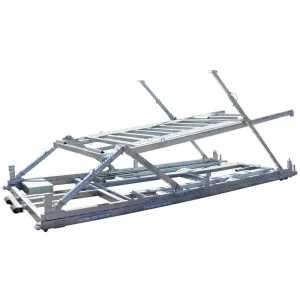
Factory-certified multi-modal containment hardware designed for hazardous fluids, offshore energy payloads, temperature-critical commodities, and bulk liquid global distribution.
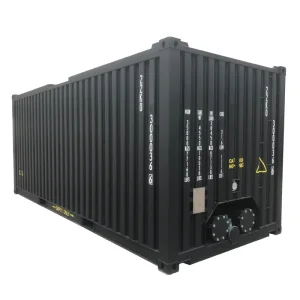
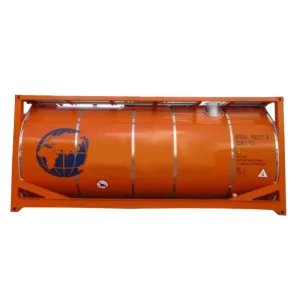

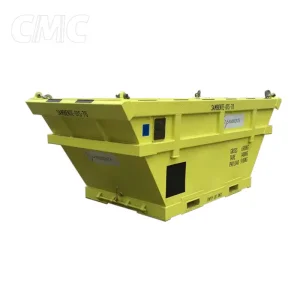
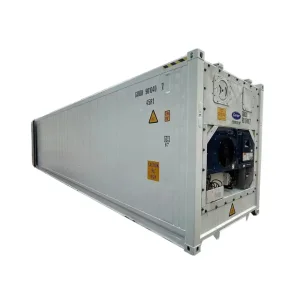

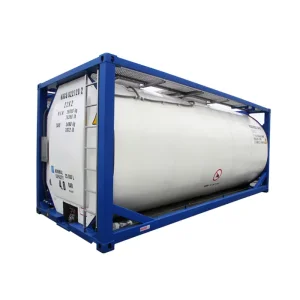
Addressing the structural vulnerabilities of legacy drum shipments and disposable flexitanks through standardized intermodal pressure architecture.
Modern chemical and energy supply chains demand extreme structural fail-safes. Unlike flexibags susceptible to punctures or intermediate bulk containers (IBCs) prone to micro-leakages during transshipment, ISO shipping container tanks provide an engineered 316L stainless steel shell reinforced within an ISO corner-cast frame. This architecture guarantees airtight containment under dynamic sea-wave impact and rapid deceleration rail conditions.
With advanced safety relief valve (SRV) assemblies, rupture discs, and integrated vapor return paths, our tanks eliminate VOC emissions and comply with the most stringent zero-spill ecological directives in deep-sea corridors.
The economic cornerstone of the shipping container tank is frictionless modality switching. Fluids transit seamlessly from deep-sea container vessels directly onto double-stack railway flats and standard prime-mover skeletal chassis without requiring intermediate transloading, decanting, or bulk storage pumping.
By avoiding cross-pumping at port yards, logistics operators mitigate product cross-contamination risks, preserve pure product batches, and reduce demurrage cycles by up to 68% across multi-jurisdictional shipping lanes.
In an era defined by carbon accounting and corporate ESG mandates, disposable flexitanks generate extensive metric tonnage of single-use solid plastic waste annually. In stark contrast, specialized ISO tank containers offer an operating lifespan exceeding 25 to 30 years through continuous recertification programs.
Equipped with ultra-smooth electro-polished internal surfaces (Ra < 0.4 μm) and automated Clean-In-Place (CIP) spray heads, tanks can rapidly cycle between chemical batches with zero hazardous water effluent runoff, drastically reducing Scope 3 logistics emissions.
How premier chemical conglomerates, food-grade liquid traders, and offshore energy operators deploy heavy-duty container tanks across volatile global climates.
Handling volatile aromatics, halogenated hydrocarbons, agricultural pesticides, and acids necessitates T11 to T22 portable tank specifications. Fitted with dual-layer insulation jackets, internal PTFE or fluoropolymer coatings, and emergency trip foot-valves, these units protect the payload against thermodynamic shifts during transit across sub-zero Arctic passages and equatorial trade routes.
Global distribution of bulk wine, neutral spirits, pharmaceutical alcohols, fruit juice concentrates, and edible oils requires sanitary-grade manufacturing conforming to 3A and FDA mandates. Our alcohol-rated tanks feature dedicated top-spill boxes with nitrogen blanketing connections to prevent oxidation and vapor flammability while preserving pristine sensory profiles.
Transporting heavy bitumen, raw crude derivatives, and high-paraffin waxes poses unique solidifying challenges. Utilizing high-efficiency direct flame heating flues, high-pressure steam heating grids, or integrated thermal oil tracing, our heated bitumen containers ensure rapid fluidization upon destination arrival, maintaining continuous road-paving workflows without off-site re-melting yards.
Operating in deep-sea oil fields, FPSOs, and offshore wind substations demands extreme resistance to dynamic shock loading and saltwater spray. Manufactured under DNV 2.7-1 and EN 12079 certifications, our offshore tank units include reinforced pad-eyes, heavy structural crash frames, and certified four-part lifting wire slings tested under cryogenic temperatures down to -20°C.
Precise technical parameters established to guide chemical procurement officers and global fleet managers in selecting the ideal tank frame configuration.
| Tank Classification | UN Portable Code | Shell Metallurgy | Design Pressure (Bar) | Heating System | Primary Industrial Applications |
|---|---|---|---|---|---|
| General Chemical Tank | UN T11 | Stainless Steel 316L (Cold Rolled) | 4.00 bar (Test: 6.00 bar) | Steam Jacket / Glycol Channels | Solvents, non-corrosive chemicals, lubricants, glycols |
| Hazardous Acid / Toxic Tank | UN T14 / T20 | 316L + PTFE/PFA or Rubber Lined | 4.00 to 10.00 bar | Electric Heat Tracing (ATEX) | Hydrochloric acid, chlorosulfonic compounds, corrosive poisons |
| Heated Bitumen / Asphalt Tank | UN T3 / Specialized | Corten Steel / Carbon Structural | 1.75 to 2.65 bar | Direct Flame Burner & Flue Tubes | Paving grade bitumen, heavy fuel oils, asphalt emulsions |
| Food-Grade Sanitary Liquid | UN T11 (Food Approved) | 316L Electropolished (Ra < 0.4μm) | 2.65 to 4.00 bar | Low-Pressure Steam Panels | Spirits, wine, fruit concentrates, edible syrups, liquid dairy |
| Offshore DNV Chemical Tank | UN T11 / DNV 2.7-1 | 316L Shell + Heavy Corten Frame | 4.00 to 6.00 bar | Optional Electric Tracing | Demulsifiers, scale inhibitors, offshore well stimulants |
| Gas & Cryogenic ISO Tank | UN T75 / T50 | Austenitic SS Inner / Carbon Outer | 7.00 to 22.00 bar | High-Vacuum Multilayer Superinsulation | LNG, Liquid Nitrogen, Ethylene, CO2, industrial refrigerants |
Our cylindrical pressure shells are fabricated using plasma-arc keyhole welding and fully automated submerged-arc robotic gantries. This process produces uniform penetration profiles and prevents heat-affected zone (HAZ) sensitization, providing maximum resistance to intergranular stress-corrosion cracking.
Utilizing 50mm to 100mm high-density rockwool or polyurethane insulation sheets enclosed in 2.0mm marine-grade GRP or stainless steel cladding, our tank designs maintain heat loss below 0.15°C per hour under ambient marine conditions of -10°C.
Engineered with triple-barrier bottom discharge mechanisms—comprising a foot valve, internal clamp valve, and external threaded dust cap—preventing unintentional product release even during high-impact structural accidents.
Navigating regional hazardous transport mandates to ensure immediate customs release and operational permits across every commercial territory.
Our manufacturing protocols integrate EN 14025 standards and RID/ADR Chapter 6.8 mandates for seamless transit across the European rail and motorway networks. Every unit comes complete with European Type Approval (ETA) dossiers, verified dynamic impact calculations, and notified body stamps (Bureau Veritas, TV, or Lloyd's Register).
Tanks designated for North American trade adhere strictly to CFR Title 49, US DOT Spec 51, and ASME Boiler and Pressure Vessel Code Section VIII Division 1 (with 'U' Stamp option). Frames undergo rigorous AAR (Association of American Railroads) dynamic rail impact testing to ensure resilience against severe longitudinal switching forces.
For offshore platforms in the North Sea, Gulf of Mexico, and West Africa, units are certified under DNV Standard for Certification No. 2.7-1 and BS EN 12079. Testing includes multi-point dynamic drop tests, non-destructive testing (NDT) of 100% of primary structural weldments, and full sling set proof loading.
Examine how custom-engineered ISO container tanks overcome complex thermodynamic and geographic challenges.
Challenge: An international highway consortium required 200 units of heavy bitumen transported across 4,200 km of intermodal rail corridors where intermediate ambient temperatures drop to -35°C.
Engineered Solution: We deployed custom 20ft heated asphalt containers fitted with heavy-duty twin U-tube direct burners and automated temperature control relays. Bitumen was maintained at transport viscosity without cracking the binders, allowing rapid decanting within 2 hours of yard arrival.
Challenge: A luxury distiller experienced batch degradation and iron ion absorption during long-distance trans-Pacific drum transport, leading to unacceptable reject rates.
Engineered Solution: Manufactured a fleet of high-grade 316L ISO tanks featuring an electropolished internal surface profile below 0.35 μm Ra and equipped with nitrogen purge manifolds. Batch contamination dropped to 0.00% over 18 continuous ocean transits.
Challenge: An offshore operator in the North Sea faced severe corrosion and high dynamic impact hazards when hoisting chemical dosing tanks in rough seas.
Engineered Solution: We supplied 10ft DNV 2.7-1 certified offshore tank containers with hot-dip galvanized crash cages, internal PVDF liners, and sub-zero Charpy-tested lifting pad eyes, achieving zero offshore structural failures over five years of active platform operations.
The convergence of industrial IoT, ultra-lightweight composite materials, and autonomous zero-emission thermal regulation.
Deploying continuous satellite IoT sensors monitoring ullage height, internal core temperature, pressure spikes, and geographic geofencing under certified explosive atmospheres (Zone 1/Zone 2).
Integrating carbon-composite overwrap pressure vessels (COPV) into standard 20ft ISO dimensions, shedding up to 35% of tare weight and dramatically increasing payload density for alternative green fuels.
Developing closed-loop ozone and enzymatic wash-in-place mechanisms built directly into tank baffles, reducing turnaround wash times from 8 hours down to 45 minutes without human vessel entry.
Pioneering liquid hydrogen intermodal shipping container tanks featuring magnet-levitation thermal barriers and ultra-low boil-off rates (BOR < 0.6% daily) for intercontinental green energy trade.
Authoritative guidance addressing regulatory compliance, maintenance standards, and engineering selection parameters.
A UN T11 portable tank is the global standard for non-corrosive chemicals and light hazard commodities, typically featuring bottom discharge systems with a design test pressure of 4.0 bar. In contrast, a UN T14 tank is specifically engineered for highly toxic, lethal, or volatile chemicals, mandating top-only discharge connections with no bottom shell penetrations, thicker vessel plating, and an elevated minimum design test pressure of 6.0 bar or higher.
Under the International Maritime Dangerous Goods (IMDG) Code and CSC regulations, all ISO tank containers must undergo a rigorous recertification cycle. This consists of an intermediate 2.5-year periodic inspection (encompassing external visual checks, air pressure leak tests, and safety relief valve bench testing) followed by a comprehensive 5-year inspection requiring full non-destructive testing (NDT), shell wall thickness verification, and complete hydrostatic proof-testing under surveyor observation.
Heated asphalt containers combine high-efficiency thermal rockwool insulation (typically 80mm to 100mm) with heavy-duty dual U-tube direct flame heating systems or thermal oil heat loops. While the bitumen cools slightly during extended transit, the robust internal flue pipes allow operators to reignite automatic diesel-fired burners at destination yards to quickly bring temperatures back to pumping range (160°C to 180°C) in just a few hours.
Standard ISO corner castings and twistlocks are only rated for steady, static vertical lifting in container terminals. Offshore exploration rigs and supply vessels operate in severe sea conditions, where wave surge introduces high dynamic acceleration and snatch-loading during crane transfers. DNV 2.7-1 / EN 12079 certifies that the frame, heavy padeyes, and dedicated wire rope slings are designed and tested to absorb these violent dynamic impact forces safely at temperatures down to -20°C.
For pharmaceutical grade liquids and premium neutral spirits, the internal 316L shell is precision electropolished to a mirror finish with a surface roughness of Ra < 0.4 μm (or Ra < 0.2 μm on special order). This ultra-smooth profile removes microscopic crevices where residues or bacteria could adhere, streamlining automated CIP cleaning cycles and completely preventing flavor taint or batch-to-batch cross-contamination.
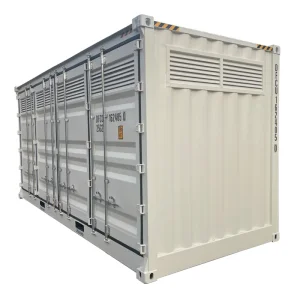
Yes. In addition to cylindrical pressure tanks, we engineer full side-opening high-cube containers specifically for packaged hazardous cargo and battery storage. These units incorporate explosion-proof mechanical ventilation louvers, leak-containment secondary bund sumps with drainage valves, fire-resistant internal thermal insulation, and spark-free grounding lugs that meet local industrial chemical storage codes worldwide.
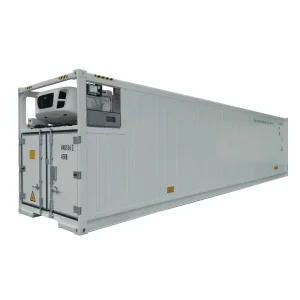
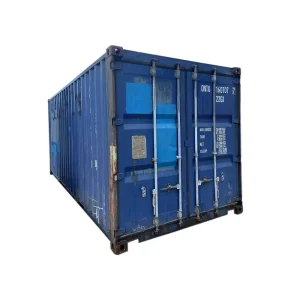
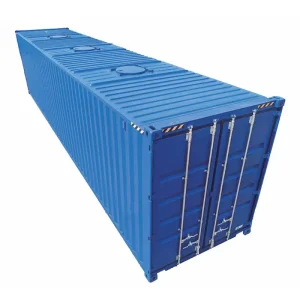
Discover our broader manufacturing capabilities across offshore basket rigs, Belt & Road railway reefers, soft open-tops, and custom dry cargo units.