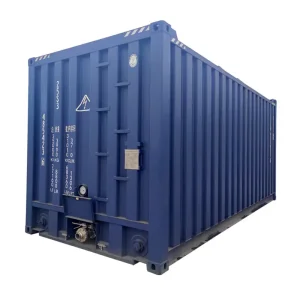
Explore our certified baseline portfolio engineered for maritime intermodal shipping, dangerous goods management, solar active cold storage, and ISO pressure vessel transfers.

Analyzing structural shifts in container manufacturing, specialized intermodal footprints, and strategic procurement frameworks for cross-border logistics operators.
In the contemporary era of multi-modal supply chains, container procurement has expanded beyond generic 20ft and 40ft dry boxes into highly differentiated, mission-tailored geometries. The industrial emergence of specialized platforms—notably 30ft intermodal swap bodies, specialized dangerous goods cubicles, active cold-chain reefers, and high-pressure ISO tanks—reflects an urgent corporate mandate: maximizing volumetric load density while conforming to stringent intermodal weight limitations across global rail and highway networks.
Global logistics procurement teams operating across North America, the European Union, Australia, and the emerging industrial hubs of Southeast Asia face multi-layered pressures. Fluctuations in hot-rolled Corten steel raw material indices, variable decarbonization mandates (such as IMO 2030 / 2050 greenhouse gas targets), and the necessity for zero-downtime mechanical integrity under dynamic ocean stacking forces make supplier selection a high-stakes engineering audit. Manufacturers must present verifiable material traceability, rigorous structural Finite Element Analysis (FEA), and fully automated robotic sub-arc welding validation.
Procurement officers are increasingly moving away from pure spot-market commodity acquisitions toward structured Original Equipment Manufacturer (OEM) and Original Design Manufacturer (ODM) joint engineering cycles. When sourcing a series of 30 specialized containers or bespoke continuous fleet allocations, corporate buyers scrutinize the Total Cost of Ownership (TCO). Key TCO determinants include anti-corrosive multi-coat marine paint warranties, floor payload deflection ratios, T-bar airflow thermal preservation in cold chain assets, and internationally accredited structural type-approvals from leading classification societies like Bureau Veritas (BV) and DNV.
Delivering robust container architecture to address specific environmental hazards, thermodynamic challenges, and regulatory mandates.
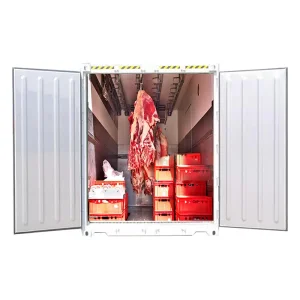
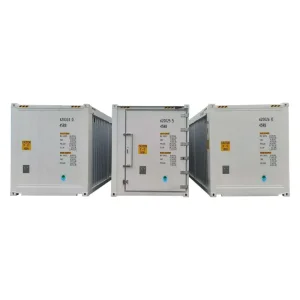
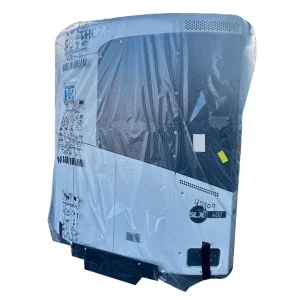
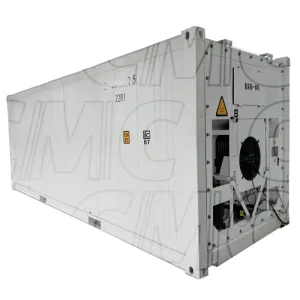
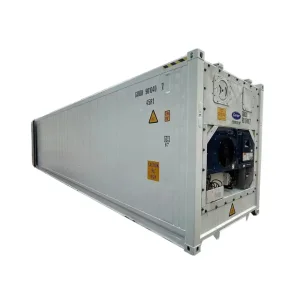
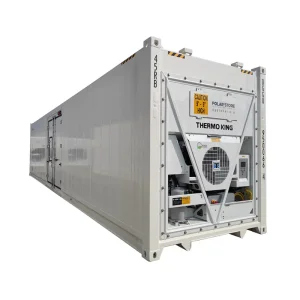
Equipped with dual-inverter micro-compressors (Carrier, Daikin, Thermo King) and high-density Cyclopentane polyurethane foam injection (K-value ≤ 0.33 W/m²K), our active reefer containers maintain stable temperature zones between -35°C and +30°C regardless of harsh equatorial marine ambiences. Integrated solar PV roofs reduce diesel generator load during transshipment dwell times.
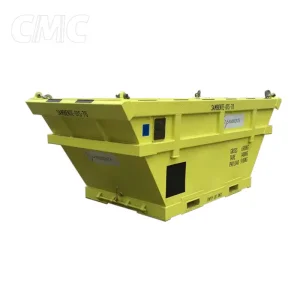
Standard containers collapse under dynamic marine wave slam. Our offshore silt baskets and custom tool modules are manufactured strictly to DNV 2.7-1 / EN 12079 criteria. Structural steel components feature Charpy V-notch impact toughness certified to -20°C, complete with integrated lifting slings, proof load testing up to 2.5x Max Gross Weight, and continuous weld NDT inspections.
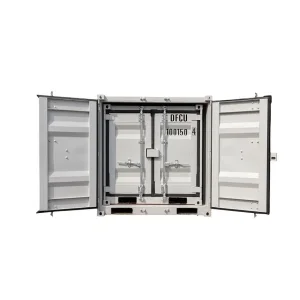
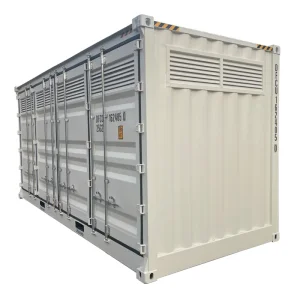
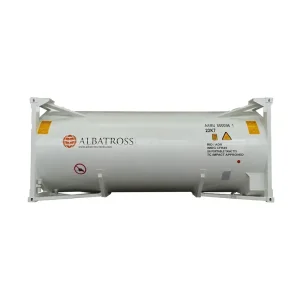
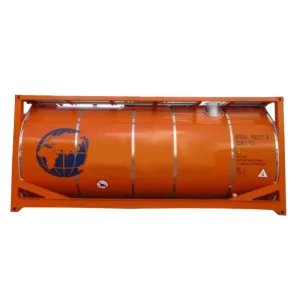
For transport of IMDG Class 3, 6, and 8 chemicals, our dangerous goods cubicles feature full secondary containment bunded flooring with drainage valves, flame-proof explosion ventilation louvers, and spark-resistant aluminum diamond plating. ISO 20ft tank containers leverage 316L stainless steel vessels inside ISO 1496-3 frames, supporting food-grade spirits or hazardous petrochemicals.
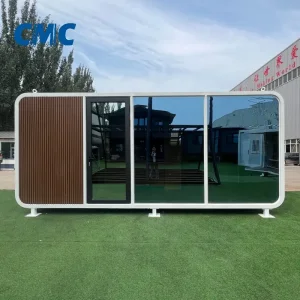
Transforming standardized ISO structural frames into deployable mission centers, flat-pack emergency housing, power generator enclosures, and luxury Apple Cabin pods. Constructed with fire-retarded rockwool rock panel cores, integrated MEP plumbing, and multi-tier stacking corner castings to satisfy international architectural and seismic building safety codes.
Transparent benchmark costing, tare weights, volumetric metrics, and international certification standards for capital allocation models.
Procurement pricing in the industrial container sector is heavily tied to international metallurgical indexes (such as Corten SPA-H hot-rolled coil market pricing), paint coating chemistry (solvent-based vs. waterborne zinc-rich epoxies), refrigeration compressors, and class surveyor inspection protocols. The table below details engineering configurations, dimensional tolerances, payload parameters, and price thresholds based on FOB Tianjin/Suzhou export terms.
| Container Classification | Core Structural Material | Tare Wt. (kg) | Max Payload (kg) | International Standard | Price Bracket (USD FOB) | Status |
|---|---|---|---|---|---|---|
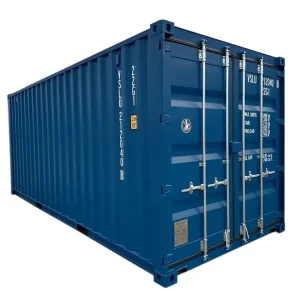
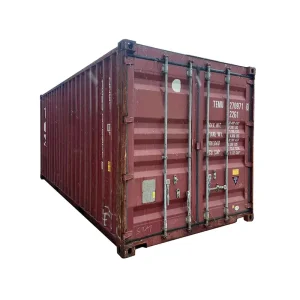
| 20FT Standard Dry Cargo (Double Door) | Corten Steel (SPA-H) | 2,250 kg | 28,230 kg | ISO 1496-1 / CSC / BV | $2,100 – $2,850 | Mass Production |
| 30FT Intermodal / Swap Body Custom | Corten-A + High-Tensile Steel | 3,100 kg | 30,900 kg | EN 283 / UIC 592 / CSC | $3,800 – $4,900 | Project Batch |
| 20FT High-Cube Dangerous Goods Box | SPA-H + Bunded Spill Floor | 2,680 kg | 27,800 kg | IMDG / AS 1940 / CSC | $3,950 – $5,200 | Custom Order |
| 40FT High-Cube Reefer (Thermo King/Daikin) | Stainless 304 Liner + Polyurethane | 4,480 kg | 29,520 kg | ISO 1496-2 / ATP / BV | $14,200 – $18,900 | In Stock & Build |
| 40FT Side-Open Reefer Cold Room | Stainless Liner + Reinforced Sill | 4,950 kg | 29,050 kg | ISO 1496-2 / CE Approved | $16,800 – $21,500 | OEM Config |
| 20FT ISO Gas Tank (25,000L T50/T75) | Q345R / SA516 Gr.70 Pressure Vessel | 5,800 kg | 30,200 kg | ASME VIII / IMDG / ADR / RID | $19,500 – $27,000 | Surveyor Verified |
| 20FT ISO Liquid Food/Alcohol Tank (316L) | AISI 316L Electropolished | 3,650 kg | 32,350 kg | ISO 1496-3 / FDA / IMDG | $13,500 – $17,800 | Clean In Stock |
| DNV 2.7-1 Offshore Silt / Cargo Basket | Structural Steel NV D36 / E36 | 2,100 kg | 10,000 kg | DNV 2.7-1 / EN 12079 / Lloyd's | $4,800 – $7,200 | Marine Certified |
| Used 40FT HC Reefer (Carrier/90% New) | Refurbished Insulated Core | 4,520 kg | 29,480 kg | PTI Inspected / CW / CSC | $5,200 – $7,800 | Immediate Dispatch |
| 20FT Modular Flat-Pack Apple Pod House | Galvanized Frame + Double Glass | 2,400 kg | N/A (Structural Code) | CE / ISO Modular Safety | $5,500 – $9,800 | Architectural |
*Note: Pricelists serve as institutional engineering benchmarks. Exact quotations vary with spot exchange rates, customized internal racking, explosion-proof ATEX ratings, dual-door end wall modifications, and multi-destination sea-freight packaging tariffs.
How edge computing, telematics telemetry, lightweight alloy composites, and clean fuel technologies are reshaping industrial fleet fabrication.
Fleet managers no longer tolerate cold chain visibility blindspots. Our contemporary smart container builds incorporate satellite and cellular multi-band IoT gateways. Sensors monitor interior O&sub2;/CO&sub2; balances, pulp temperature, door breach events, and mechanical vibration. Cold chain automation modules feed live MQTT/JSON telemetry into enterprise ERP platforms.
By integrating micro-alloyed ultra-high-strength steel (UHSS) and structural carbon fiber composites into swap body roofs and sidewall corrugations, our structural engineering team has reduced baseline tare weights by up to 14%. This weight savings translates into thousands of liters of fuel saved per intermodal rail-car life cycle.
The transition toward green energy transport drives R&D into cryogenic ISO tanks capable of housing liquified bio-methane (LBM), anhydrous ammonia, and pressurized hydrogen. Vacuum-perlite multilayer thermal insulation jackets maintain boil-off rates below 0.15% per day during long oceanic dwell periods.
Ensuring frictionless border clearance, maritime safety certification, and complete regulatory adherence across six continents.
Every dry, reefer, and tank container leaving our production line is equipped with a stamped International Convention for Safe Containers (CSC) safety approval plate. Undergoing stacking tests up to 9-high fully laden (192,000 kg total superincumbent load) and transverse racking tests, our assets qualify for unrestricted global ocean voyage access.
Offshore exploration in the North Sea, Gulf of Mexico, and West Africa commands extreme dynamic load thresholds. Our engineering drawings undergo rigorous third-party surveyor validation by Bureau Veritas, Lloyd's Register, or DNV. Welder qualifications meet AWS D1.1 and ASME Section IX parameters.
Strategically situated within 100 kilometers of the deepwater berths of Tianjin Xingang Port and Shanghai/Taicang maritime terminals, our fabrication centers mitigate land transport overhead. We coordinate pre-trip inspections (PTI), surveyor sea trials, and one-way cargo loading partnerships to minimize empty positioning costs for international buyers.
Direct answers from our senior marine architects and sales engineers on custom dimensions, minimum orders, and container procurement protocols.
For standard ISO dimensions (20ft and 40ft), our MOQ can be as flexible as 1 to 2 units for standard yard stock. For non-standard dimensions such as 30ft swap bodies, roll-up reefer units, or side-open offshore boxes requiring specific jigging and tooling configurations, the typical production batch MOQ is 2 to 4 units. This ensures optimal steel coil slitting economies and cost-efficient BV/DNV surveyor scheduling.
All panels undergo complete automatic shot blasting to ISO Sa 2.5 profile standards before automated zinc-rich epoxy primer application. The total exterior Dry Film Thickness (DFT) averages 120–150 microns across three distinct layers (zinc primer, epoxy intermediate, and UV-resistant polyacrylic finish coat). This system consistently withstands over 1,500 hours of continuous ASTM B117 salt spray exposure without blistering.
Yes. Every brand-new or certified refurbished reefer container (featuring Thermo King, Carrier, or Daikin chillers) undergoes a documented 6-hour functional PTI. This validates compressor ramp-up, defrost cycles, refrigerant charge stability, and setpoint pull-down tests from +20°C to -25°C. Official diagnostic PTI certificates accompany the bill of lading.
Our hazardous containment assets include an extensive documentation binder: Initial ASME Form U-1A / IMDG tank approval certificates, material mill test reports (MTRs) for pressure shell steels (316L/Q345R), radiographic/ultrasonic weld test summaries, hydro-pneumatic pressure test logs (6 bar standard), clean-tank certificates, and certified dimension drawings for regulatory filing.
Complete your fleet matrix with certified liquid containers, refrigerated meat hanging systems, double-door dry cargo boxes, and DNV offshore baskets.