
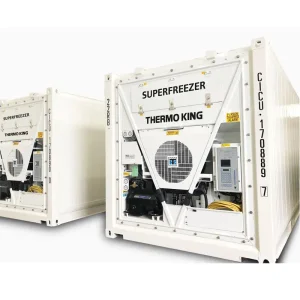
Explore tier-one industrial container inventory configured for extreme weather endurance, hazardous chemicals, long-haul active cooling, and specialized multi-modal operations.
An analytical overview of structural shifts in maritime logistics, intermodal standards, and advanced material sciences governing high-cube, reefer, and offshore equipment production.
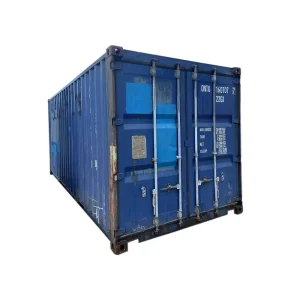
Manufacturing clusters in China—anchored along deep-water ports like Tianjin and industrial corridors like Suzhou—account for over 85% of global intermodal container supply. Modern manufacturing protocols prioritize structural high-tensile Corten steel (SPA-H), ensuring rust-inhibiting oxide formation under extreme salinity conditions.
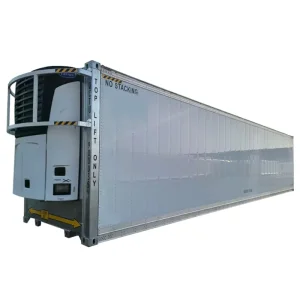
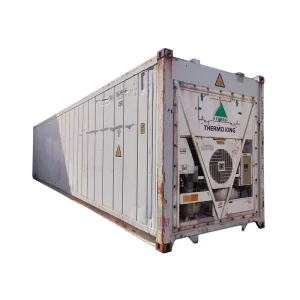
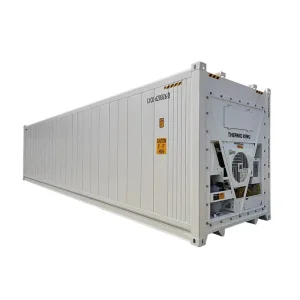
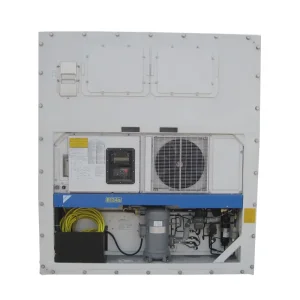
With stringent international environmental rules (IMO 2030/2050), top-tier container factories are heavily adopting cyclopentane-blown microcellular polyurethane insulation with low global warming potential (GWP), paired with inverter-driven scroll compressors from Daikin, Carrier, and Thermo King.
Offshore exploration and green hydrogen infrastructure demand containers certified to DNV 2.7-1 / EN 12079 criteria. Structural integrity requires non-destructive weld testing, impact load tests at -20°C, and dedicated certified sling sets rated for dynamic offshore marine hoisting.
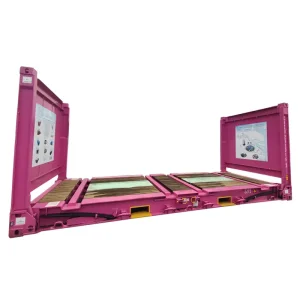
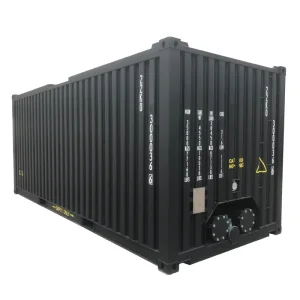
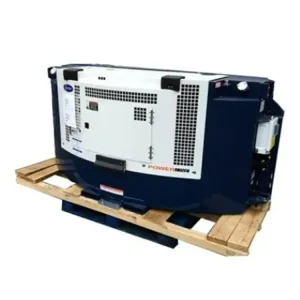
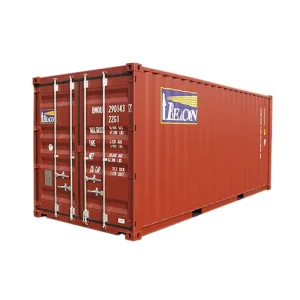
Demonstrating how factory-grade shipping containers adapt across harsh terrestrial corridors, marine drilling zones, bulk liquid networks, and urban intermodal yards.
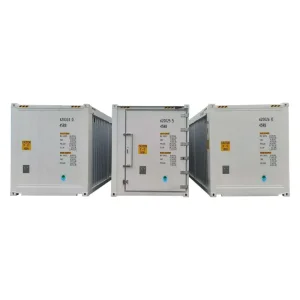
Utilizing deep-freezer configurations capable of maintaining -40°C to -70°C without fluctuations for biological drugs, blood plasma, and temperature-sensitive active pharmaceutical ingredients across global transshipment ports.
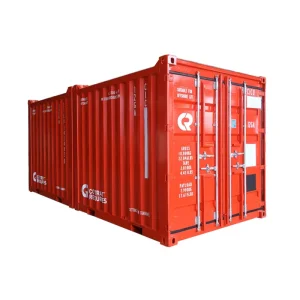
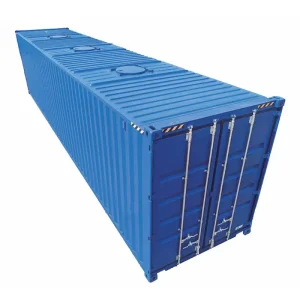
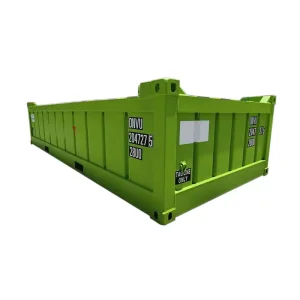
Half-height open-top units engineered for high-density iron ore, mining spare parts, drill bits, and offshore exploration payloads, equipped with certified internal lashing points and ISO fork pockets.
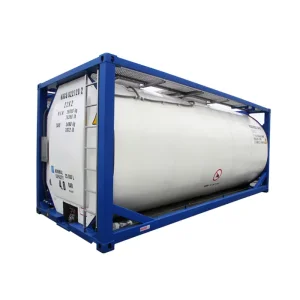
Heated asphalt tank containers fitted with specialized heat trace coils, diesel burn systems, and insulated rock-wool jackets, allowing long-distance movement of liquid bitumen without mid-route solidifying.
Pre-engineered structural boxes converted for remote field operations, data storage centers, telecommunication power rooms, and turnkey worker living camps built to rigorous seismic and wind resistance codes.
Strategic innovation trajectories driving next-generation container structures through smart tracking telematics, zero-emission thermal units, and automated robotics assembly.
Integration of ultra-high-strength lightweight steel and composite sandwich panels to reduce tare weight by up to 18%, directly lowering maritime fuel consumption and carbon taxation.
Factory-embedded smart sensors monitoring atmospheric moisture, interior oxygen, door seal status, shock/vibration, and live GPS coordinates with automated satellite link relays.
Combining hybrid active cooling with advanced phase-change material (PCM) lining to safeguard perishable contents against power dropouts for extended transit windows up to 72 hours.
Design for disassembly principles enabling 98% material recoverability, modular bolt-on frame repairs, and eco-friendly waterborne anti-corrosion barrier coatings that eliminate high-VOC outgassing.
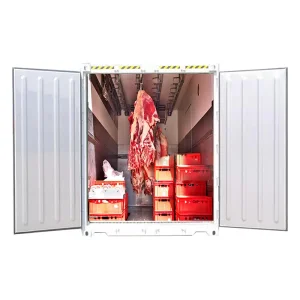
Explore secondary fleet solutions, tank units, bulk commodity carriers, and versatile hanging-meat configurations direct from our Tianjin and Suzhou production reserves.
Direct answers on international testing standards, certification processes, refrigeration machinery integration, and port dispatch procedures.