Procure certified cargo containers manufactured under stringent ISO 9001 and Bureau Veritas compliance protocols for intermodal land, sea, and offshore transfer.

An in-depth analysis of structural integrity, supply chain resilience, and decarbonization challenges shaping global intermodal container procurement.
Global sea freight routes subject transport containers to severe atmospheric salinity, dynamic wave impact, and extreme temperature fluctuations. Premier manufacturers have standardized SPA-H Corten-A weathering steel, which builds an adherent protective copper-chromium oxide layer upon oxidation.
This prevents progressive steel thinning, maximizing structural longevity beyond a 15-year operational lifecycle under continuous marine cargo cycles.
Cold chain disruptions lead to billions of dollars in perishable loss annually. Engineering advancements focus on closed-cell polyurethane foam cores with thermal conductivities below 0.020 W/m·K.
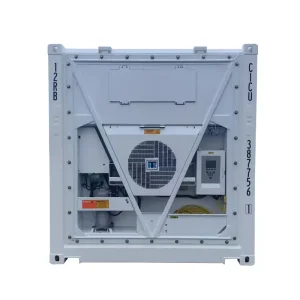
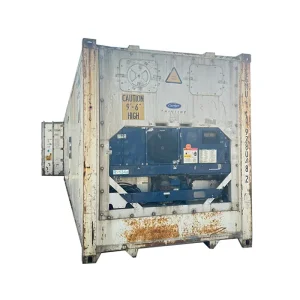
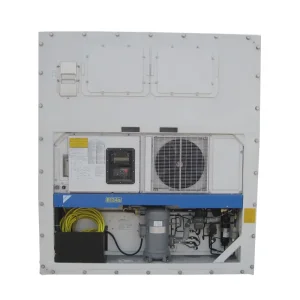
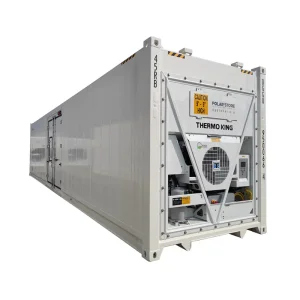
Integrated with high-efficiency scroll compressors (Daikin, Carrier, Thermo King), modern refrigerated containers balance stable -35°C to +30°C temperature ranges with ultra-low fuel burn coefficients on trans-continental rail routes.
With tightening axle load limits across European and North American highway transport corridors, reducing tare weight while retaining ISO 1496-1 structural stiffness is an engineering imperative.
Through finite element analysis (FEA), corrugation profiles of longitudinal side panels and cross-members have been optimized to withstand 1.8g longitudinal acceleration forces without unnecessary dead weight.
Evaluate exact physical properties, payload metrics, and regulatory conformance criteria when selecting transport units for intermodal operations.
| Container Classification | Primary Material / Alloy | Gross Max Weight (R) | Tare Weight Range | Compliance Directives | Specialist Feature Profile |
|---|---|---|---|---|---|
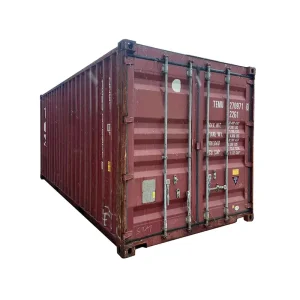
| 20ft Standard Dry Intermodal | SPA-H Corten Weathering Steel | 30,480 kg (67,200 lbs) | 2,180 - 2,240 kg | ISO 1496-1 CSC TIR | 28mm apitong hardwood floor, water-tight EPDM double-lip gasket seals. |
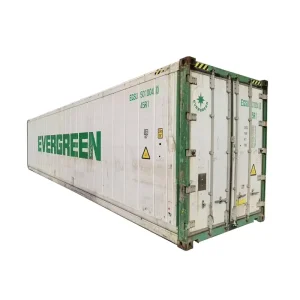
| 40ft High-Cube Deep Reefer | MGSS / Alloy 6061-T6 / PU Core | 34,000 kg (74,950 lbs) | 4,380 - 4,600 kg | ATP-FRC ISO 1496-2 | T-Bar airflow flooring, Daikin/Carrier unit, digital data logging interface. |
| 20ft Dangerous Goods (Side Door) | Corten-A + Acid-Resistant Liners | 30,480 kg (67,200 lbs) | 3,120 - 3,350 kg | IMDG Code ADR | Internal spark-proof air grilles, bunded spill-catch basin, explosion relief. |
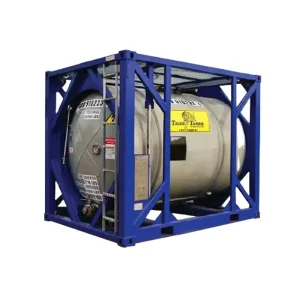
| ISO T11/T14 Liquid Chemical Tank | AISI 316L SS Vessel + Q345 Frame | 36,000 kg (79,360 lbs) | 3,650 - 3,850 kg | ASME VIII RID/ADR | Steam heating ducts, PTFE gaskets, emergency pressure relief valve systems. |
| DNV Offshore Transport Cargo Unit | High-Yield Structural Steel EN 10025 | 10,000 - 15,000 kg | 1,800 - 2,400 kg | DNV 2.7-1 EN 12079 | Integrated 4-point dynamic lifting padeyes, non-destructive test (NDT) welds. |
Procuring low-grade transport containers often introduces hidden operational expenditures. Cheap paint systems without zinc-rich primer degrade rapidly under offshore C5 marine classifications, causing early corrosion failure at door hinge pins, bottom side rails, and corner posts.
By specifying robotic submerged arc welding and hot-dip galvanized lock rods, our containers reduce depot repair frequency by up to 42% over a 10-year operating horizon.
Modern mega-terminals deploy Automated Stacking Cranes (ASCs) and optical character recognition (OCR) gantries that require millimeter-level dimensional conformity.
Our corner casting centers strictly respect ISO 668 dimensions with tolerances within ±1.5mm. This prevents spreader jamming, reduces dwell times at transshipment hubs, and ensures seamless alignment on double-stack rail cars.
Engineered to mitigate risk across hazardous chemical transit, dynamic marine energy extraction, and perishable transshipment networks.
Cold chain preservation requires ultra-precise air circulation and zero atmospheric bypass. Our reefer units provide continuous microprocessor temperature regulation with precision up to ±0.25°C.
Integrated Dehumidification Control (down to 50% RH) prevents mold contamination on horticultural exports, while USDA cold treatment capability satisfies strict pest quarantine regulations for fruit entering overseas markets.
Transporting flammable spirits, toxic precursors, or corrosive reagents requires high mechanical containment. Our custom ISO tank containers utilize pickled and passivated 316L stainless steel shells rated to test pressures of 6.0 bar.
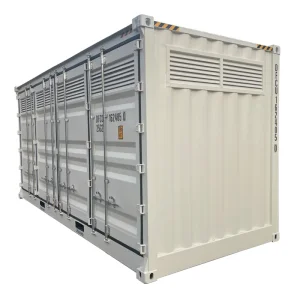
For packaged dangerous materials, side-access high-cube units feature explosion-proof ventilation, chemical catch-bunds, and internal grounding studs that eliminate static electricity build-up during decanting.
Marine operations beyond sheltered harbors require certified structural resistance against high impact dynamic sling loads. Engineered to DNV 2.7-1 / EN 12079, each offshore container features Charpy V-notch tested steel for operation down to -20°C.
Structural padeyes undergo 100% magnetic particle testing (MPI) to guarantee safety when transferring equipment between platform supply vessels and offshore rigs in rough seas.
Optimizing payload volume is essential for vehicle transport. Traditional ro-ro shipping leaves cargo exposed to high handling risks and premium freight costs.
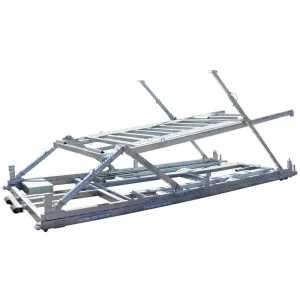
Our heavy-duty vehicle transport racks fit inside standard 40ft High Cube containers, utilizing multi-tier articulated wheel chocks and high-tensile ratchet webbing to securely carry 3 to 4 passenger vehicles or SUVs in a completely sealed, weather-protected container environment.
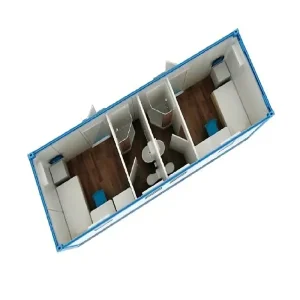
For mining sites, disaster response, and field telecommunication hubs, ISO standard accommodation containers provide turnkey deployable workspaces.
Engineered with rockwool acoustic and thermal insulation (A1 non-combustible), pre-wired CE/UL-compliant junction boxes, and double-glazed PVC fenestration, these units maintain intermodal shipping dimensions for immediate roll-out via rail, road, or vessel.
Inside our production facilities: from raw coil decoiling to non-destructive testing and third-party inspection certifications.
Corrugations and perimeter frames are fabricated via pulse-arc robotic welding systems, maintaining strict penetration consistency across all seam joints.
Critical structural nodes, including ISO corner casting welds, undergo magnetic particle inspection (MPI) and ultrasonic testing (UT) to verify zero volumetric or surface defects under high shear loads.
Prior to coating, steel plates undergo SA 2.5 automatic centrifugal shot-blasting, removing all mill scale and creating a 25-50 micron anchor profile.
We apply a three-tier C5-M compliant paint system: a zinc-rich epoxy primer (30μm), an epoxy intermediate barrier (40μm), and a high-durability acrylic topcoat (40μm) for maximum UV and chemical splash resistance.
Every batch undergoes mandatory type testing per ISO 1496 protocols: stacking tests (up to 86,400 kg per post), floor strength tests with 5,460 kg axle loads, transverse racking, and water spray leak testing at 2 bar nozzle pressure.
Finished units carry individual International Convention for Safe Containers (CSC) plates certified by Bureau Veritas or China Classification Society (CCS).
Pioneering advancements in low-GWP refrigerants, IoT telematics integration, and composite structural panels.
Integrating cellular/satellite edge-telematics directly into the door header. Real-time telemetry monitoring door openings, G-force impact shocks, internal ambient humidity, and reefer unit operational errors.
Transitioning from R-134a and R-404A systems to R-1234yf and natural CO2 (R-744) refrigerants with Global Warming Potentials under 1, ensuring zero regulatory compliance risk with European F-Gas mandates.
Replacing traditional plywood and bamboo floorboards with recycled continuous-fiber-reinforced thermoplastic (CFRTP) composite decking. Eliminates timber treatments, cuts floor tare by 25%, and resists chemical contamination.
Embedding high-frequency RFID tags and encrypted blockchain data certificates inside the container corner posts to automate customs clearance, maintenance logs, and yard slot assignments globally.
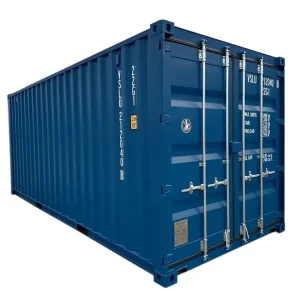
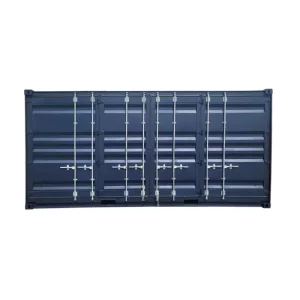
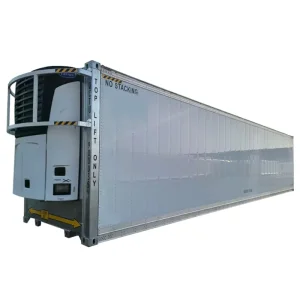
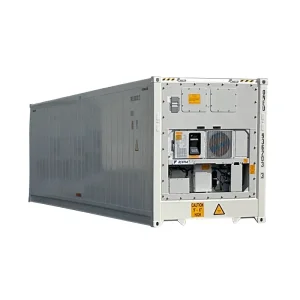
Explore high-cube reefers, auxiliary cooling machinery, double-door dry cargo boxes, and secondary port inventory ready for deployment.
Key information regarding structural certifications, customized OEM modifications, freight loading, and commercial guarantees.
