Engineered for high-cube capacity, passive thermal retention, specialized liquid cargo, and automated automotive logistics.
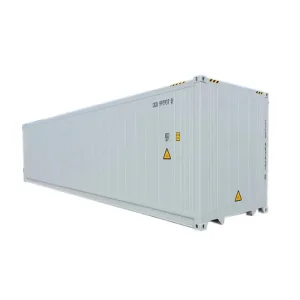
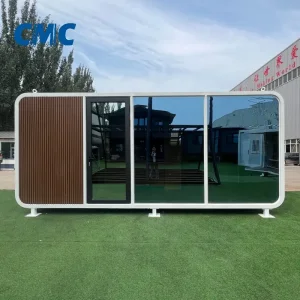
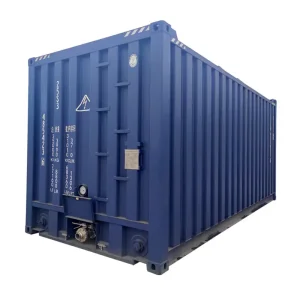
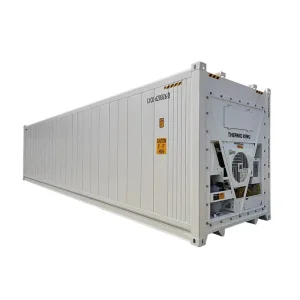
How original design manufacturing (ODM) is reshaping global logistics reliability, structural sustainability, and intermodal transport economics.
In modern multi-modal supply chains, standard off-the-shelf dry shipping containers increasingly fail to meet specialized industrial handling conditions. The transition toward Original Design Manufacturing (ODM) in freight container production reflects a critical evolution in how global enterprises manage supply chain risk, asset longevity, and payload density. Standard ISO specifications define baseline external dimensions and corner casting geometry, but they do not accommodate the complex thermodynamic, metallurgical, and loading parameters encountered across modern supply chains.
Information Gain Insight: Modern ODM engineering transcends dimension adaptation. It utilizes finite element stress analysis (FEA) to reduce tare weight by up to 14% without compromising structural integrity, enabling operators to stay well within highway gross vehicle weight ratings while maximizing billable freight per TEU.
Fabricated using authentic SPA-H or Corten-A weathering steel, ODM freight containers form a self-passivating oxide film when exposed to marine atmospheres. This significantly delays electrolytic corrosion caused by salt fog, high humidity, and industrial emissions.
While ISO 1496-1 demands proof loading to support nine-high stacking of 30,480 kg units, ODM platforms are engineered to handle offshore dynamic impact forces, dynamic rail humping shocks, and localized point loads from heavy machinery.
ODM manufacturing allows direct embedding of IoT temperature, humidity, shock, and pressure sensor harnesses within structural corrugated channels, eliminating post-market wiring vulnerabilities and supporting smart fleet telematics.
A deep dive into supply chain clustering, metallurgical procurement dominance, and streamlined seaport staging logistics.
China manufactures more than 90% of global intermodal cargo containers. This industrial dominance is grounded in deeply integrated industrial supply chain clusters. Located adjacent to major northern and eastern transport hubs such as Tianjin Port and Suzhou (connecting directly to Shanghai Port), production facilities benefit from localized raw material sourcing, automated processing equipment, and low transport friction to export berths.
Immediate access to tier-one steel suppliers provides certified SPA-H weathering steel coils, heavy channel profiles, and corner castings with zero transshipment lag, insulating international clients from global raw material price fluctuations.
Automated submerged-arc welding corridors and high-capacity CNC laser profiling beds guarantee consistent weld penetration, tight dimensional tolerances, and uniform stress distribution across load-bearing structural members.
Fully enclosed shot-blasting achieves SA 2.5 cleanliness standards. This is followed by automated zinc-rich epoxy priming and water-borne polyurethane topcoats, delivering up to 120 microns of marine-grade barrier protection.
With factory yards located approximately 100 kilometers from international shipping gates in Tianjin and Suzhou, completed equipment moves directly from test lines to export terminals with minimal inland transit overhead.
How the market is responding to environmental regulations, cold-chain monitoring mandates, and alternative energy logistics.
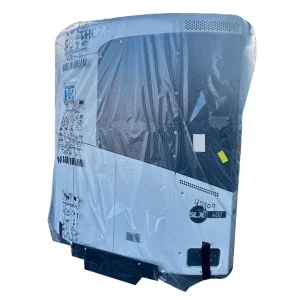
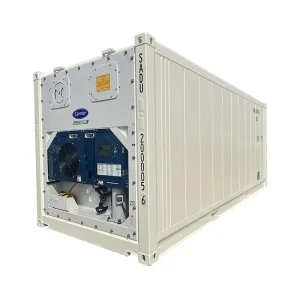
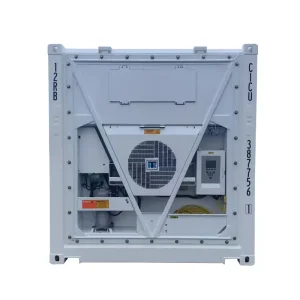
Global decarbonization policies and F-Gas regulations are driving a major shift in reefer machinery. Fleet buyers are rapidly transitioning to active refrigeration systems equipped with low Global Warming Potential (GWP) compounds such as R-452A and CO2 transcritical systems (R-744). These modern installations reduce direct carbon emissions while maintaining precise set-point stability down to -35°C or deep-freeze temperatures of -60°C.
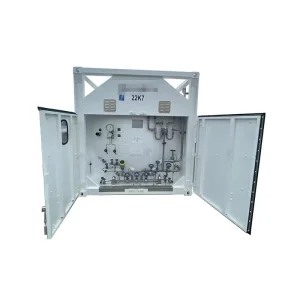
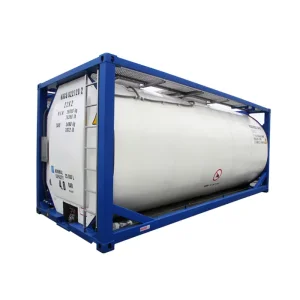
The global transition to cleaner fuels has driven rapid demand growth for specialized T75 cryogenic liquid tank containers. Built with high-vacuum multi-layer insulation systems and austenitic stainless steel inner vessels (e.g., S30408), these units transport Liquefied Natural Gas (LNG), Liquid Nitrogen (LIN), and Argon across road, rail, and sea without boil-off loss during standard transit windows.
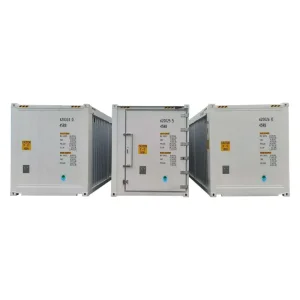
For mid-range intermodal corridors where onboard genset power is limited or cost-prohibitive, specialized thickened foam insulation designs provide long holding times with minimal thermal drift. By utilizing cyclopentane-blown polyurethane foam formulations with thermal conductivities below 0.020 W/(m·K), these units preserve cargo integrity with zero active electrical draw.
Matching customized container architecture to demanding operational environments across marine, terrestrial, and remote sectors.
Standard ISO containers are not certified for dynamic lifting operations onto offshore platforms or marine supply vessels. DNV 2.7-1 and EN 12079 certified offshore dry and refrigerated units incorporate specialized padeye lifting points, heavy-section corner posts, and low-temperature Charpy V-notch steel to prevent brittle fracture in harsh maritime conditions.
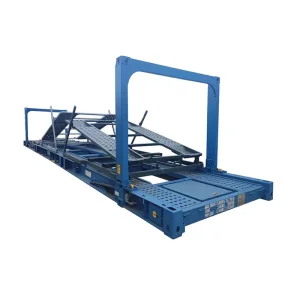
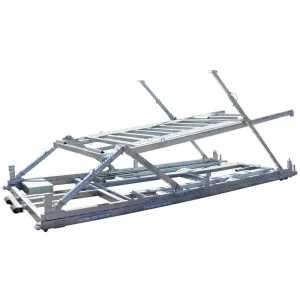
Traditional Ro-Ro (Roll-on/Roll-off) shipping routes frequently face vessel shortages and port congestion. Customized car-carrier containers and specialized vehicle transport racks allow three to four finished automobiles or light commercial vans to be safely secured within standard 40ft High Cube containers, integrating finished vehicle transport directly into standard container vessel networks.
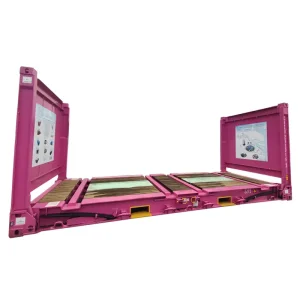
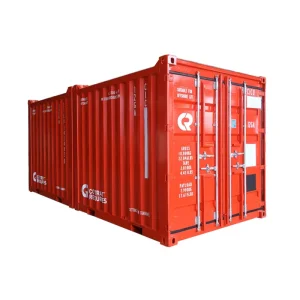
Beyond transportation, ODM cargo shells serve as structural envelopes for rapid-deployment infrastructure. These include farm-gate pre-cooling stations, remote mine-site mobile offices, three-in-one combination chillers, and flat-pack modular pods. They deliver structural rigidity, wind-load resistance, and rapid setup capabilities worldwide.
| Equipment Category | Structural Substrate | Payload / Tare Ratio | Primary Certification | Key Operational Utility |
|---|---|---|---|---|
| Insulated High Cube (40ft) | SPA-H / Cyclopentane PU | Optimal Passive Retention | ISO 1496-2 / BV Type Approval | Intermodal temperature-sensitive cargo without gensets |
| Active Reefer Containers | Stainless 304 / Muffler Corten | Deep-Freeze (-35°C ~ +30°C) | CSC / ATP / Bureau Veritas | Perishable food, pharmaceuticals, and biological cold chains |
| Cryogenic Liquid Tanks (T75) | S30408 / Outer Carbon Q345R | Pressurized Liquid Phase | ASME VIII / IMDG / RID / ADR | Bulk distribution of LNG, LOX, LIN, and liquid argon |
| Offshore Rig Containers | High-Yield Structural Steel | Reinforced Dynamic Lift | DNVGL-ST-E271 (DNV 2.7-1) / EN 12079 | Marine deck supply, harsh ocean lifting, rig maintenance |
| Special Car Carrier Units | Corten High-Tensile Framing | High-Density Multi-Tier | ISO Standard / CSC Approved | Containerized Ro-Ro alternative for vehicle export |
Evaluating the lifecycle balance among capital expenditure, corrosion resistance, regulatory approvals, and fleet residual values.
Procuring industrial freight containers requires looking beyond FOB unit pricing. Professional supply chain directors evaluate equipment using a Total Cost of Ownership (TCO) methodology that balances acquisition cost, maintenance overhead, fleet downtime, and residual value at the end of a typical 12-to-15 year lifecycle. Standard dry cargo and reefer assets face recurring structural and operational challenges that can lead to unexpected ownership costs:
Ensure that all structural builds are backed by witnessed test certificates from classification societies such as Bureau Veritas (BV), Lloyd's Register (LR), or DNV. Key testing protocols must confirm compliance with ISO 1496 transverse racking, floor strength testing (front axle loads up to 7,260 kg), and weather-tightness water deluge standards.
Early paint breakdown accounts for more than 35% of mid-life dry container maintenance expenses. Specifying high-zinc epoxy primers, high-build intermediate barrier layers, and multi-component polyurethanes prevents sub-film rust creep and prolongs service life in aggressive marine environments.
Standard 28mm apitong or keruing plywood flooring is susceptible to heavy forklift wheel damage, moisture decay, and pest fumigation restrictions. ODM modifications offer bamboo-composite flooring, galvanized steel checker plates, or polyurethane linings that deliver extended durability for heavy industrial cargo.
Engineered for hazardous chemical transport, DNV-certified marine operations, auxiliary power generation, and bulk materials logistics.
Direct answers from our structural and refrigeration engineering teams to help you make informed specification choices.
