
Pioneering heavy-payload ocean engineering, smart intermodal cargo architectures, and custom Reefer/Offshore modular builds engineered for the world's most demanding maritime environments.
Verified ocean-ready structural containers engineered for dynamic hydrodynamic stress, extreme salinity, and multi-tier vessel stacking.


Analyzing the technological clusters, structural metallurgic advantages, and deep-water supply chain integration that position Chinese container manufacturers at the pinnacle of ocean transit.
Deploying specialized SPA-H structural steel with copper-chromium alloying elements. This forms an autonomous, regenerative passivated oxide layer upon salt mist contact, delivering exceptional fatigue life during prolonged voyages across variable oceanic microclimates.
Fabricated using precision robotic submerged arc and GMAW processes. Full-penetration welding on corner castings ensures critical resistance to diagonal rack stresses up to 150 kN, comfortably outperforming ISO 1496-1 parameters under dynamic swell scenarios.
Fabrication plants situated less than 100 kilometers from mega deep-water berths (Tianjin Port, Shanghai/Ningbo). This cuts inland drayage transit by 68%, mitigating double-handling damage and enabling prompt transshipment onto major Pacific and Atlantic container loops.
The transition toward decarbonized transport corridors, real-time telemetry, and resilient intermodal integration is reshaping marine container requirements.
Modern ocean containers are no longer static steel enclosures. Next-generation reefers incorporate LoRaWAN and satellite transponders that transmit internal atmospheric pressure, core pulping temperatures, and ethylene levels in real time to bridge cold-chain tracking blind spots in mid-ocean transit.
Mandates on volatile organic compounds (VOCs) are accelerating the industry-wide adoption of waterborne polyurethane paints and bio-sourced thermal foam insulation. These coatings reduce dry-film carbon footprints without sacrificing C5-M extreme marine durability metrics.
Standard ISO corner-casting form factors are increasingly adapted as ruggedised power transport shells. Battery Energy Storage Systems (BESS) installed within custom CSC-certified container shells require advanced structural fire mitigation, explosive venting panels, and localized liquid cooling integration.
Purpose-engineered structural container solutions tailored to solve specific environmental and functional challenges across international transit nodes.
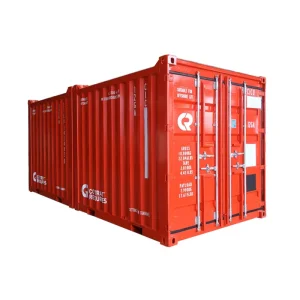
Offshore marine containers require compliance with DNV 2.7-1 / EN 12079 standards. Designed with padeyes, high-tensile lifting slings, and heavy door gaskets, these containers endure vertical acceleration and rough supply-vessel dynamic crane lifts in stormy sea basins.
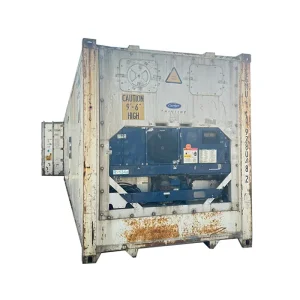
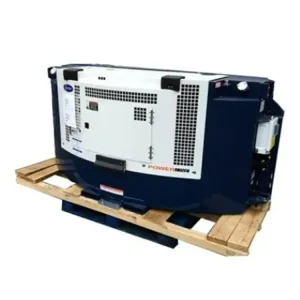
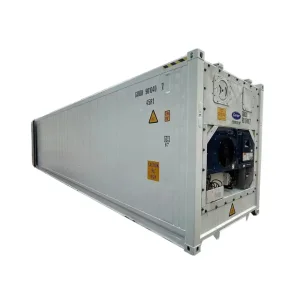
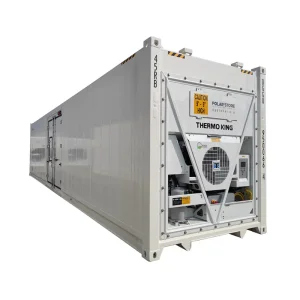
Equipped with industry-standard machinery (Thermo King, Daikin, Carrier), our 40ft High-Cube reefers feature aluminum T-bar airflow floors and closed-cell polyurethane cores. They maintain internal temperatures between -35°C and +30°C on 45-day ocean passages with minimal operational variance.
Deploying ISO T11/T14 standard tank containers built with 316L stainless steel inner shells and thick steam heating systems. These units safely transport volatile compounds or bulk food products under full IMDG Class compliance across both deep sea routes and rail corridors.
A reference architecture mapping dimensional tolerances, metallurgical requirements, and classification frameworks for technical procurement managers.
| Container Classification | Structural Metallurgy | Thermal / Mechanical Barrier | Certifications | Typical Payload / Vol. | Primary Dynamic Stress Node |
|---|---|---|---|---|---|
| 40ft High Cube Reefer | SPA-H Cor-Ten Steel & MGSS/AL Lining | 100mm High-Density PU Foam (0.022 W/mK) | ISO 1496-2, BV, TIR, ATP | 29,400 kg / 67.5 m³ | Longitudinal floor sagging under reefer airflow |
| DNV Offshore Cargo Carrier | Structural Low-Alloy Steel (Impact tested -20°C) | Reinforced End Walls + Lashing D-Rings | DNV 2.7-1, EN 12079, IMO/MSC | 10,000 kg / Modular | Single-point snatch load dynamic stress |
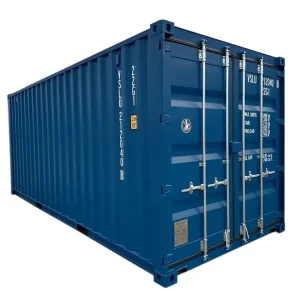
| 20ft Double Door Dry Box | Cor-Ten A Corrugated Steel (2.0mm panels) | 28mm Marine Hardwood Plywood Floor | ISO 668, ISO 1496-1, CSC | 28,200 kg / 32.8 m³ | Torsional frame flexure under uneven hull lashing |
| 20ft ISO Liquid Tank | Shell: SANS 50028-7 / 316L Stainless Steel | Rockwool / PU with Aluminum/GRP Sheathing | IMDG, ASME Section VIII, RID/ADR | 26,000 L / Up to 36,000 kg | Liquid surge wave shock on longitudinal dish ends |
Specialized heavy-industrial transport units, side-access configurations, and offshore-certified equipment ready for global export deployment.

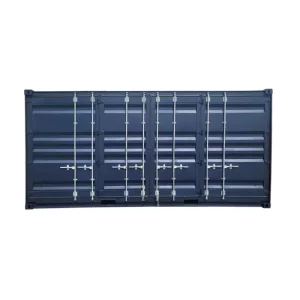
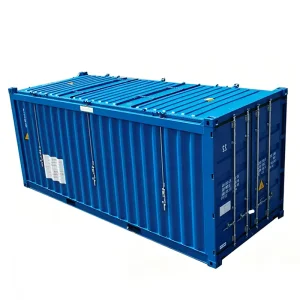
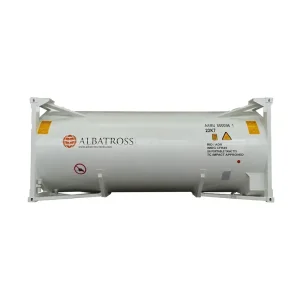

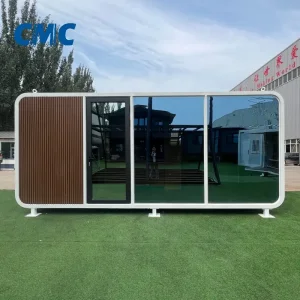
Enterprise logistics buyers require more than factory gates. We break down the four essential pillars for cross-border container fleet purchasing.
Assuring complete mill certification heat numbers for all Corten structural frames, coupled with Bureau Veritas (BV), ABS, or DNV third-party inspection sign-offs before leaving port.
Shipper Owned Container (SOC) programs allow overseas buyers to route customized new-build units loaded with standard dry cargo, effectively eliminating repositioning freight fees to Europe, the Middle East, or the Americas.
Evaluating total lifecycle costs through anti-corrosive primer depths, zinc-rich undercoatings, and reinforced floor load thresholds to deliver over 15 years of ocean voyage utility.
Customizing interior cable routing channels, explosion-proof cooling setups, roller floor mechanisms, and side-loading portals for specialized project cargo payloads.
Clear, direct answers from our technical engineering and export teams regarding marine containers, custom fabrications, and offshore certifications.