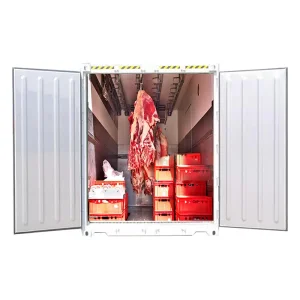
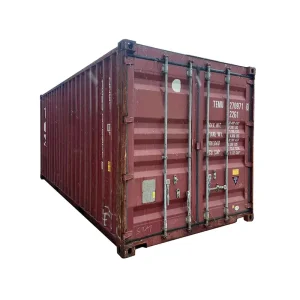
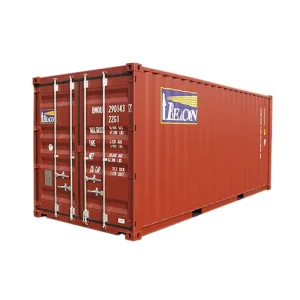
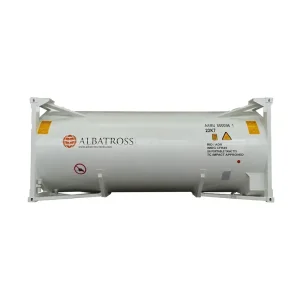
Explore standard, customized, and alternative intermodal solutions optimized for single-phase microgrids, agricultural hubs, and demanding offshore supply routes.
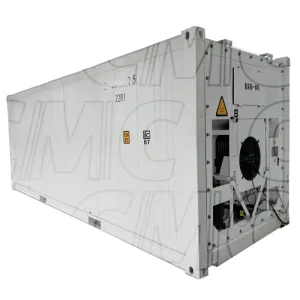
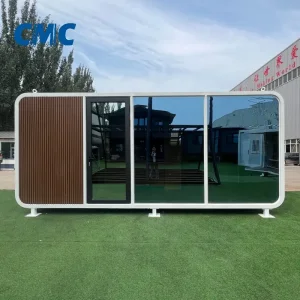
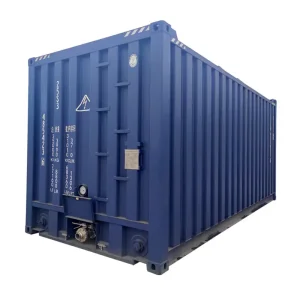
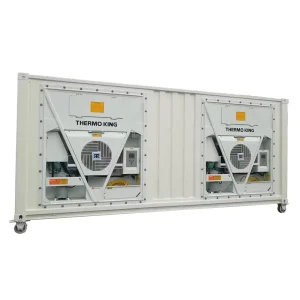
Overcoming cold chain infrastructural deficits via single-phase 220V architecture coupled with smart photovoltaic and DC inverter systems.
Traditional industrial reefers demand industrial three-phase 380V/460V power, severely limiting rural and peri-urban utilization. Single-phase 220V integration enables connection to ubiquitous local utility grids and light-duty commercial solar generators without dedicated industrial step-up transformers.
Equipped with roof-integrated Monocrystalline PV modules and lithium iron phosphate (LiFePO4) storage banks, our systems harvest up to 8.5 kWh daily per 20ft platform, offsetting over 68% of generator-driven fossil fuel consumption and preventing cold-spoilage during grid blackouts.
Direct current inverter cooling systems regulate compressor speed seamlessly based on instantaneous heat load. Unlike aggressive start-stop cycles of legacy units, DC inverter operation suppresses inrush current spikes by upwards of 85%, shielding solar inverters from overload shutdowns.
Evaluating multi-regional demands for off-grid single-phase cold chain solutions across high-growth international trade corridors.
Enterprises in Kenya, Nigeria, and South Africa combat post-harvest losses reaching 40% in horticulture. Procurement focuses on ruggedized 20ft units installed directly at packhouses where rural electric infrastructure is fragile or nonexistent.
Producers in Chile, Peru, and Ecuador require field-level chilling facilities. High solar irradiance in coastal and Andean regions makes self-sustaining single-phase units optimal for rapidly bringing temperatures of blueberries, shrimp, and avocados to storage thresholds.
Indonesian and Philippine archipelagic distribution systems suffer from unstable port power. Intermodal refrigerated containers functioning on 220V single-phase systems provide fisheries the flexibility to maintain unbroken cold chains between isolated islands.
Stricter urban carbon emission regulations (Scope 1 and 2 mandates) compel European grocery distributors to establish zero-emission decentralized urban cold hubs, driving procurement of quiet, single-phase solar storage assets for inner-city drop zones.
A holistic approach combining naval-grade container architecture, high-efficiency thermal polyurethanes, and intelligent DC electrical topologies.
Constructed with anti-corrosion Corten weathering steel exteriors and 304 food-grade stainless interior linings. High-pressure polyurethane foam injection (up to 130mm thick, density 42–45 kg/m³) yields a heat leakage coefficient (K-value) below 0.35 W/m²·K, drastically cutting operational thermal degradation.
Marine-rated bi-facial photovoltaic panels mounted on heavy-duty slide-out or fold-out canopies offer an aggregate capacity exceeding 5.5 kWp. Multi-channel Maximum Power Point Tracking (MPPT) optimizes solar intake under diffuse lighting, funneling power into low-voltage DC busbars without redundant AC inverter losses.
Embedded Edge-AI controllers continuously predict ambient temperature spikes and solar radiation curves. Algorithms pre-cool cargo during peak solar generation hours (thermal storage mode), mitigating night-time battery draw and ensuring continuous temperature adherence between -25°C and +20°C.
Strategic advancements targeting ultra-low global warming refrigerants, solid-state thermal management, and autonomous intermodal connectivity.
Implementation of lightweight perovskite tandem cells elevating roof-panel solar efficiency beyond 28%. Concurrently transitioning compressor circuits to ultra-low GWP refrigerants including R290 (Propane) and R744 (CO₂) in adherence with global F-Gas phasedowns.
Integrating micro-encapsulated organic bio-based phase-change thermal panels directly behind container linings. Latent heat absorption maintains sub-zero cargo preservation for over 18 hours entirely power-free during prolonged inclement weather or auxiliary pack servicing.
Satellite-linked micro-controllers orchestrate cold containers into decentralized Virtual Power Plants (VPP). Units parked at transport terminals dynamically inject surplus stored solar energy back into local electrical microgrids via bidirectional single-phase inverters during grid stress events.
Ensuring complete peace of mind through strict compliance with classification society standards, agricultural transport accords, and regional electrical directives.
Every single-phase solar container undergoes stringent factory testing verified by Bureau Veritas (BV) and ISO quality systems. Insulated shells strictly adhere to ATP regulations (Agreement on the International Carriage of Perishable Foodstuffs) for Class FRC heavily insulated refrigerated equipment.
Equipped with dual single-phase 220V/230V/240V compatibility (50/60Hz auto-detect). Electronic hardware complies with IEC 60364, CE Low Voltage Directive (LVD), and UL-recognized component guidelines, ensuring effortless permitting and interconnect safe-guards across North America, Europe, and Australasia.
Operating with modular field-swappable line-replacement units (LRUs). Core inverter refrigeration sub-assemblies share standardized mechanical interfaces compatible with international Thermo King, Daikin, and Carrier service platforms, backed by direct technical support teams in Tianjin and coastal depot partners.
Detailed engineering responses for commercial fleet directors, solar logistics contractors, and cold-chain facility supervisors.
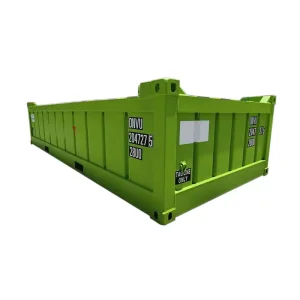
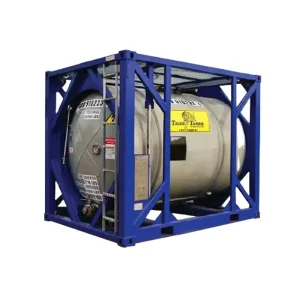
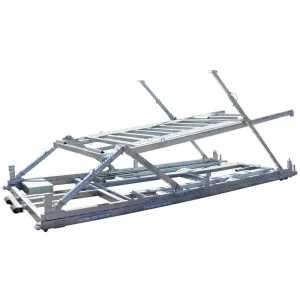
Complementary hardware solutions certified for maritime, heavy mining, hazardous liquid transport, and multi-modal refrigerated supply corridors.