Direct manufacturer deployment of heavy-duty cold storage, DNV-certified offshore reefers, and modular intermodal solutions.
Understanding the thermodynamic engineering principles that separate commercial refrigerated containers from industrial containerized blast freezers.
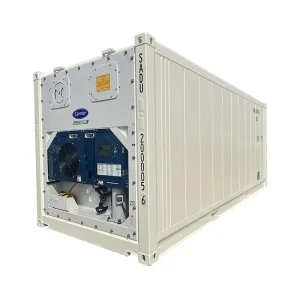
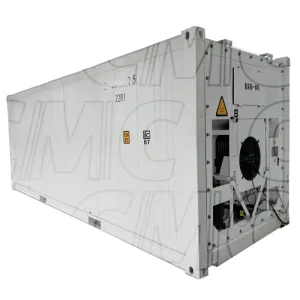
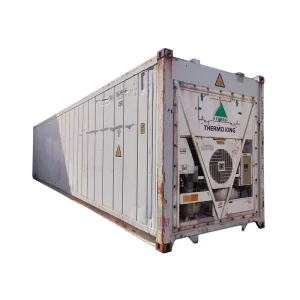
Standard marine reefers are designed solely to maintain cargo temperature between -25°C and +25°C. In contrast, containerized blast freezers utilize oversized two-stage compound semi-hermetic compressors paired with high-velocity evaporator fans, forcing rapid thermodynamic transition through the maximum ice crystal formation zone (-1°C to -5°C). This process prevents cellular membrane collapse in pelagic seafood, Wagyu meats, and plasma biopharmaceuticals.
Engineered with 100mm to 150mm high-pressure cyclopentane-blown polyurethane foam insulation (density 42-45 kg/m³) sandwiched between marine-grade Corten steel exteriors and food-contact SUS304 stainless steel interiors. Thermal bridging is entirely eliminated through cryogenic polymer isolators, guaranteeing thermal conductivity (λ) values below 0.022 W/m·K under extreme +50°C ambient heat loads.
Equipped with specialized aerodynamic ducted plenums and high static pressure T-bar or flat perforated extrusion flooring. Air circulation rates exceed 80 to 120 air exchanges per minute, delivering directional laminar velocities above 5.5 m/s directly over horizontal freezing racks. This eliminates static warm boundary layers and reduces batch blast cycle times by up to 45% compared to conventional retrofitted cold boxes.
Decentralized, plug-and-play cryogenic solutions for remote, offshore, and high-ambient operational territories.
Positioned directly on coastal quaysides, processing vessels, or offshore fish farms in Norway, Chile, and Southeast Asia. Freezes freshly harvested salmon, shrimp, and sashimi-grade tuna to -50°C core within 4-6 hours, locking volatile fatty acids and preventing histamine formation without onshore transshipment delays.
Meets strict cGMP and WHO PQS criteria for large-scale clinical trials, animal serum production, and mRNA ultra-low temperature maintenance. Integrated with triple-redundant RTD temperature sensors, computerized 21 CFR Part 11 electronic data logs, and autonomous emergency nitrogen (LN2) injection fail-safes.
Operating flawlessly in GCC desert regions (Saudi Arabia, UAE) and Sub-Saharan farming hubs where ambient temperatures regularly exceed +52°C. Heavy-duty dual condensing circuits and water-spray adiabatic precoolers maintain seamless freezing cycles without high-pressure thermal compressor tripping.
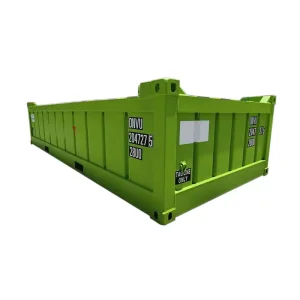
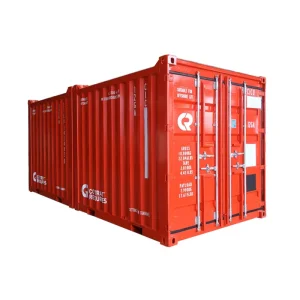
Engineered inside certified DNV 2.7-1 / EN 12079 structural offshore crash frames. Provides ruggedised blast chilling and bulk commissary nutrition storage for deep-sea oil platforms, Arctic exploration stations, and remote Australian mining operations requiring robust intermodal mobility.
Combining complete vertical supply chain integration with world-class maritime staging infrastructure in Tianjin and Suzhou.
Our dual production facilities in Tianjin and Suzhou leverage China's world-leading heavy industrial clusters. Raw high-tensile Corten weathering steel, high-purity polyurethane polyols, micro-channel copper heat exchangers, and primary electrical control cabinets are sourced within a 120-kilometer radius, drastically reducing manufacturing cycle times.
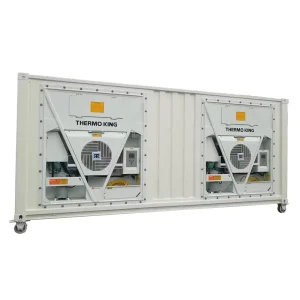
We do not compromise on core components. Our blast freezers integrate internationally supported refrigeration systems including Bitzer, Carrier, Thermo King, Daikin, and Dorin. This guarantees that end-users across Europe, the Americas, Africa, and Oceania have immediate access to factory spare parts, field technicians, and warranty support.
Located roughly 100 kilometers from Tianjin Xingang Port and Shanghai Port, fully assembled blast units are dispatched directly via roll-on/roll-off (Ro-Ro) or cellular container ships with minimal transit handling. Our factory yards also warehouse large inventories of inspected used and refurbished units for instantaneous global dispatch.
A granular technical comparison for procurement directors, cold-chain engineers, and plant managers.
| Performance / Spec Metric | Containerized Blast Freezer (20ft / 40ft HC) | Standard Commercial Reefer (ISO 1496-2) | Traditional Built-In Brick Blast Room |
|---|---|---|---|
| Operating Temperature Range | -40°C down to -60°C (Ultra-Low) | -25°C to +25°C (Maintenance) | -35°C to -45°C |
| Freezing Time (Core 0°C to -18°C) | 2 to 6 Hours (Batch Dependent) | 24 to 48 Hours (Not Engineered for Freezing) | 4 to 8 Hours |
| Compressor Architecture | Two-Stage Compound Semi-Hermetic / Screw (30-60 HP) | Single-Stage Scroll / Reciprocating (5-10 HP) | Central Multi-Rack Compressor Plant |
| Air Velocity & Airflow Rate | 4.5 – 6.5 m/s (Directional Laminar Blast) | 1.0 – 2.0 m/s (Low-Velocity Diffusion) | 3.0 – 5.0 m/s |
| Civil Footprint & Mobility | Zero civil engineering; ISO intermodal footprint | ISO standard marine footprint | Permanent civil construction; immovable |
| Defrost System | Intelligent Hot Gas Bypass + Electric Calrod Assist | Standard Electric Heating Elements | Hot Gas / Water Spray / Electric |
| Commissioning Lead Time | Immediate (Factory Pre-Commissioned Plug & Freeze) | Immediate | 6 to 14 Months Civil Engineering |
Aligning with global decarbonization regulations (EU F-Gas, US EPA AIM Act) and automated cold-chain logistics.
Every unit comes standard with industrial 4G/5G satellite-linked telematics. Operators monitor internal core probes, evaporating pressures, and amp draws via cloud dashboards. Machine-learning algorithms continuously calculate coil latent heat accumulation, executing micro-defrost cycles only when frost is detected, slashing power waste by 22%.
In accordance with global climate protocols, our thermodynamic engineering roadmap transitions beyond R404A/R507A. We supply custom blast installations charged with R452A, ultra-low GWP R454A, and subcritical CO2 (R744) cascade systems, future-proofing your capital investments against escalating carbon taxation and regulatory phase-outs.
Engineered to satisfy USDA, HACCP, FDA, and European Union hygiene mandates. Interior chambers are seamlessly laser-welded with continuous radiused coving, internal panic escape door releases with luminous indicators, explosion-proof LED lighting, and antimicrobial seals resistant to high-pressure thermal washdowns.
Clear, unvarnished engineering answers addressing power consumption, payload dimensions, and deployment requirements.
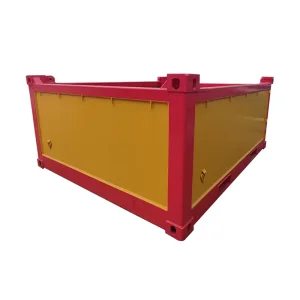
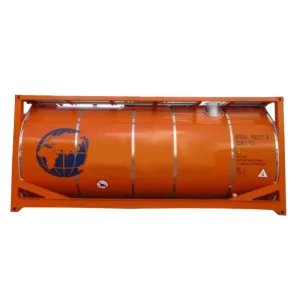
Explore our complete manufacturing series including solar reefers, offshore baskets, tank containers, and ultra-deep freeze cold rooms.