
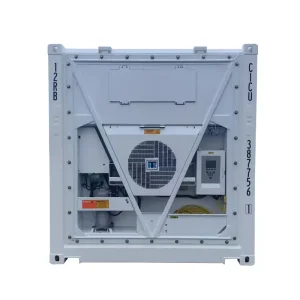
Direct export configurations engineered for harsh transits, offshore extreme environments, and pharmaceutical-grade cold chain integrity.
Why Tier-1 international logistics coordinators and institutional EPC contractors secure primary container assets directly from Chinese production nodes.
Fabrication units in Tianjin and Suzhou leverage direct raw material access to SPA-H anti-corrosion weathering corten steel. This eliminates material latency, ensures uniform metallurgical yield strength, and guarantees superior longevity under aggressive saltwater exposures.
Every offshore container and specialized cryogenic pressure unit undergoes multi-axis stress simulations, weld radio-graphic analysis, and hydrostatic tests matching DNV GL 2.7-1 / EN 12079 rules, supported by real-time BV survey sign-offs directly on the fabrication floor.
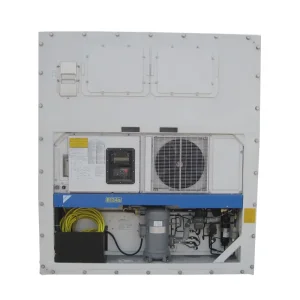
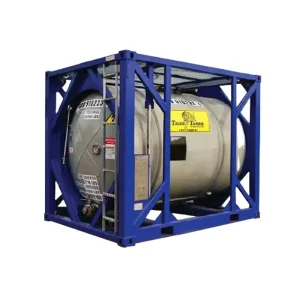
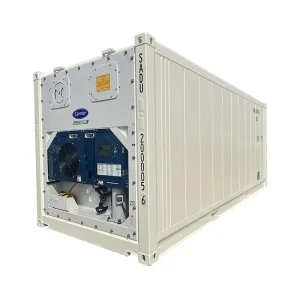
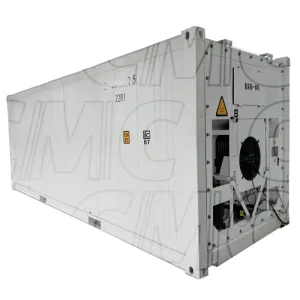
From T75 LNG containers handling temperatures down to -196°C to reefer systems driven by integrated Daikin, Carrier, or Thermo King machinery, factory assembly incorporates automated continuous foam-injected polyurethane thermal cores that preserve temperature gradients flawlessly.
Architecting multi-modal resilience across specialized industrial supply chains.
Modern global logistics require micro-level visibility. Next-generation containers feature factory-installed satellite tracking, real-time pressure transducers, and cold-room temperature sensors.
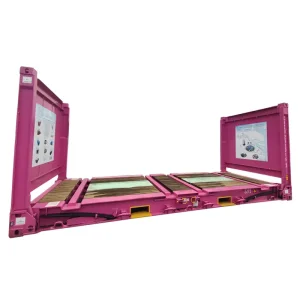
Transition from standard marine haulage to adaptive modular buildings. Structural integrity allows multi-tier stacking for remote mining encampments, emergency medical suites, and field telemetry shelters.
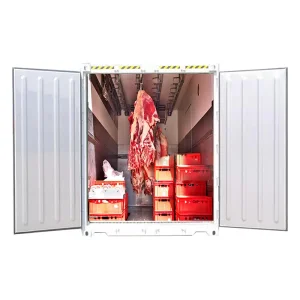
Strict GDP standards necessitate micro-deviations below ±0.25°C. Hanging meat modules, dual-temperature inverter zones, and solar-hybrid battery backup units protect high-value perishable goods.
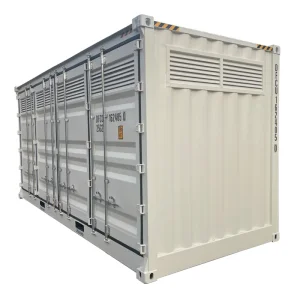
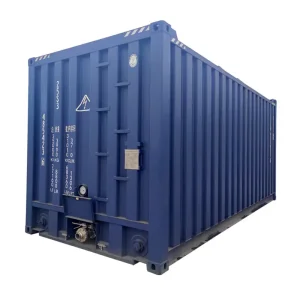
Dangerous goods require dynamic forced venting, explosion-proof components, and spill containment underfloors tailored specifically to chemical transport and lithium-ion BESS grid energy units.
In high-throughput intermodal shipping, container selection determines bottom-line operational risk and cargo survivability. Whether sourcing specialized bitumen heated tank solutions, ISO cryogenic vessels, or high-cube refrigerated units, maritime engineering standards require rigorous traceability across metallurgy, mechanical resilience, and thermodynamic performance.
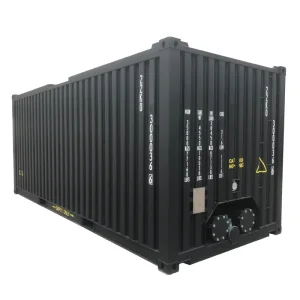
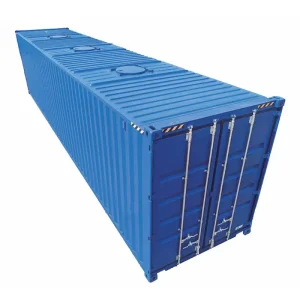
Offshore container applications depart fundamentally from standard ISO intermodal freight. Operating on platforms and dynamic offshore service vessels subjects cargo modules to violent acceleration forces, unpredictable snatch loads during open-water crane lifting, and hyper-saline atmospheric corrosion. Manufacturing at our Tianjin and Suzhou production centers incorporates certified primary structural lifting padeyes welded directly into high-tensile corner castings. Non-destructive testing (NDT), such as ultrasonic and magnetic particle inspections, guarantees weld penetration that meets rigorous offshore platform certification frameworks.
Active refrigeration involves intricate balance across airflow CFM, digital PID controller loops, and structural insulation. CIMIC integrates industry-standard machinery from Thermo King, Carrier, and Daikin with internal 304-grade stainless steel linings and aluminum T-bar flooring. For delicate food cargo, our hanging meat container variations utilize reinforced ceiling rails engineered to carry dynamic rolling suspension loads while preserving structural equilibrium across rail transitions and rough seas.
Complete custom fabrications, bulk transport vessels, and clean-power refrigerated configurations engineered for global distribution networks.
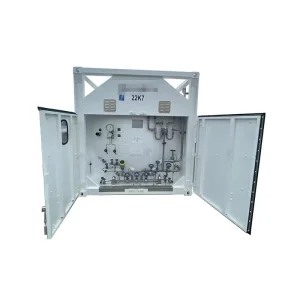
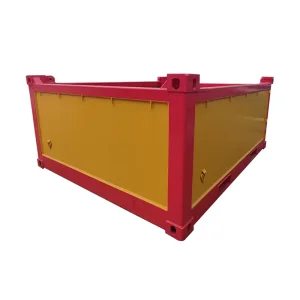
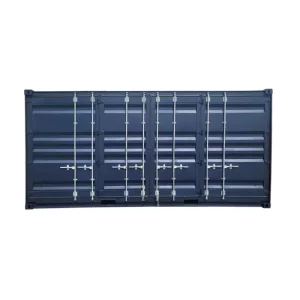
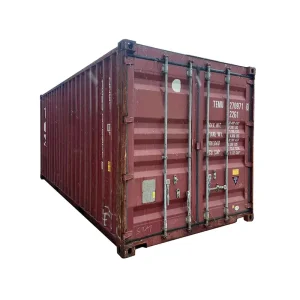
In-depth responses covering procurement cycles, class certifications, factory tests, and global freight workflows.
Every container leaves our manufacturing plants with international survey documentation. Standard units carry Bureau Veritas (BV) and ISO 9001 quality certificates confirming compliance with ISO 1496-1 freight container standards. Offshore modules carry explicit DNV GL 2.7-1 / EN 12079 structural certification including third-party sling test verification.
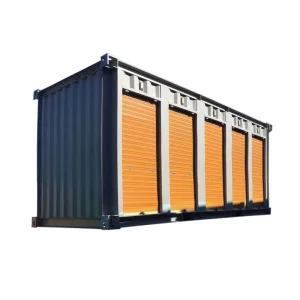
Our engineering department assists client technical teams through full design phases: from custom side open rollup doors, ventilation louvers, internal blast-freezer hanging rails to specialized liquid heating assemblies. Full 2D/3D CAD and finite element analysis (FEA) drawings are provided for approval prior to production line scheduling.
We provide full OEM integration with the world's three leading cooling unit manufacturers: Carrier Transicold, Daikin, and Thermo King. Additionally, we build specialized off-grid DC inverter units with integrated rooftop solar PV setups designed for remote field distribution networks where shore power is unavailable.
Standard ISO dry boxes and high cubes are typically held in immediate ready-stock at major Chinese ports (Tianjin, Qingdao, Shanghai). Customized OEM units, offshore baskets, and T75 cryogenic tanks require approximately 20 to 35 working days from drawing sign-off to port loading, aided by our proximity (~100km) to Tianjin port.