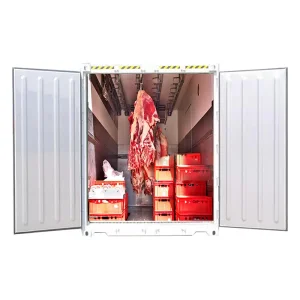
Engineered to withstand rigorous maritime conditions, multi-modal haulage stresses, and extreme localized climatic profiles. Factory-direct inspection certified.
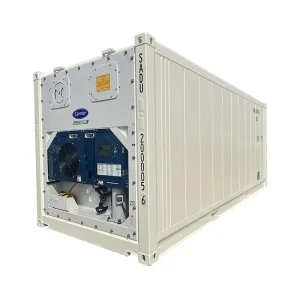
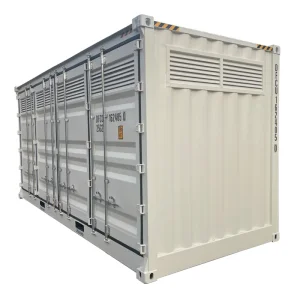
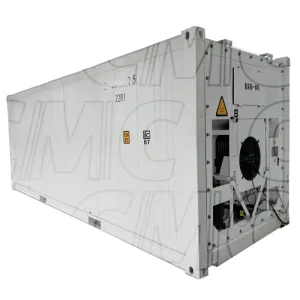
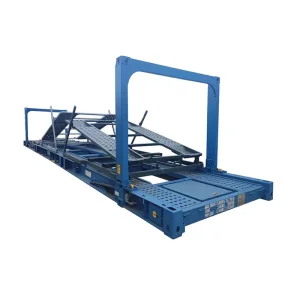
Cross-border intermodal trade, decentralized warehousing, and modular infrastructure demands are reshaping heavy-duty steel container procurement at scale.
In modern industrial commerce, the standard ISO storage freight container has expanded far beyond its original role as a passive steel shipping envelope. Today, intermodal containers represent mission-critical capital assets utilized across global shipping networks, automated supply chain micro-hubs, offshore energy exploration zones, and on-site static secure storage installations. The strategic pivot toward resilient, decentralized inventory management has led procurement leaders to demand direct access to manufacturing lines capable of tight dimensional tolerance, custom metallurgical coatings, and verified ISO/CSC certification.
From an industrial manufacturing perspective, maritime container fabrication is heavily concentrated around high-efficiency coastal manufacturing hubs in China, notably Tianjin and the Yangtze River Delta corridor. Locating production facilities approximately 100 kilometers from deep-water seaports streamlines freight logistics, drastically reducing pre-carriage inland transportation fees and expediting direct vessel positioning for export markets across North America, Europe, Latin America, Africa, and Australasia.
Standardized ISO corner castings and twistlock apertures enable instant transition across rail wagons, flatbed road chassis, and post-Panamax container vessels without cargo decanting.
Manufactured using Corten SPA-H atmospheric corrosion-resistant steel, paired with two-pack zinc-rich primer and polyurethane topcoats engineered for 1,500+ hours of ASTM B117 salt-spray exposure.
Certified to withstand floor axle loadings of 7,260 kg (16,000 lbs) as specified by ISO 1496-1, fully accommodating heavy counterbalanced forklift and pallet jack operations.
Examining the convergence of green metallurgy, IoT condition monitoring, active thermal intelligence, and standardized modular retrofitting for energy storage.
The manufacturing sector for storage freight containers is currently traversing a pivotal evolutionary epoch driven by stringent decarbonization mandates, the rise of smart fleet tracking, and the global surge in Battery Energy Storage Systems (BESS). Traditional dry freight containers are undergoing comprehensive material and sensor-level upgrades, while cold chain equipment is pivoting toward high-efficiency variable-frequency inverter compressors capable of operating on renewable DC microgrids.
High-yield-strength micro-alloyed weathering steels reduce tare weight by up to 7% while retaining full 9-high stacked compressive load capacity (up to 86,400 kg per post).
Integrated solar-powered transponders delivering real-time dual GNSS geofencing, multi-axis accelerometer impact monitoring, and door-tamper alert telemetry via 5G NB-IoT.
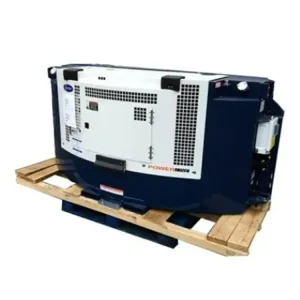
Direct integration of rooftop high-efficiency monocrystalline PV panels and 220V/380V DC inverter cold machines for zero-emission agricultural and off-grid cold chain transport.
Structural pre-engineering under NFPA 855 and UL 9540A for containerized utility-scale lithium-ion battery modules, liquid-cooling manifolds, and fire suppression raceways.
Under the International Convention for Safe Containers (CSC 1972), all ISO freight containers manufactured for international transit must successfully clear rigorous mechanical destructive and non-destructive proof tests. These include racking resistance testing under 150 kN transverse forces, concentrated end-wall loading tests to 0.4P, side-wall loading to 0.6P, and vertical roof load tests of 300 kg over a 600x300mm surface. OEM/ODM compliance with Bureau Veritas (BV), ABS, and DNV ensures that safety approval plates permanently mounted to the door leaf represent certified structural reliability throughout the asset's typical 15 to 25 year lifecycle.
From sub-zero Arctic mining developments to equatorial maritime ports, custom container engineering bridges physical environmental hazards and high cargo yields.
Standard containers often fail prematurely when subjected to specialized regional variables without proper engineering adaptation. For instance, mining and heavy extraction operations across Western Australia and Northern Canada require reinforced half-height bulk containers capable of bearing extremely dense dry weights, while coastal distribution facilities demand C5-M marine-grade multi-layer epoxy coatings. Below are tailored cross-industry solutions engineered by experienced manufacturing consortia:
DNV 2.7-1 / EN 12079 certified lifting lugs and certified 4-point wire rope slings for open-ocean dynamic rig transfers.
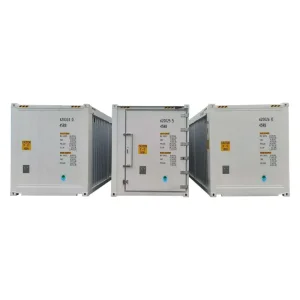
Carrier, Thermo King, and Daikin multi-temp units with T-bar airflow flooring maintaining ±0.25°C precision from -30°C to +30°C.
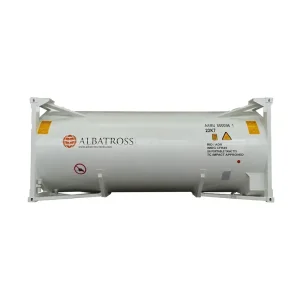
316L stainless steel ISO tank containers (T11 to T50) equipped with steam heating jackets, rockwool insulation, and rupture discs.
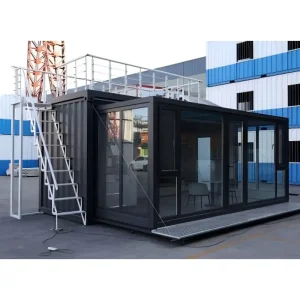
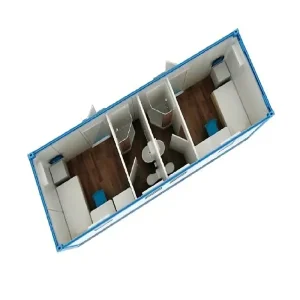
Structural ISO pods converted for turnkey modular workforce accommodations, temporary field hospitals, and defense deployment units.
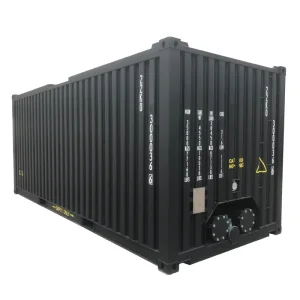
Side-door access with spill-containment bunded sumps, high-level explosion-proof louvers, and spark-free stainless interior linings.
Authoritative baseline reference metrics across standard and customized container types to assist procurement engineers and fleet managers.
| Container Classification | External Dimensions (L × W × H) | Tare Weight (Avg) | Max Payload Capacity | Standard Insulation / Thermal Barrier | Primary Regulatory Approvals |
|---|---|---|---|---|---|
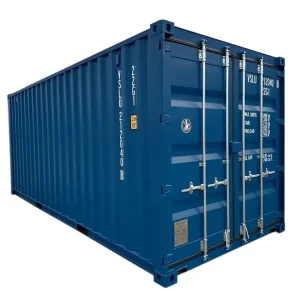
| 20ft Standard Dry GP | 6,058 × 2,438 × 2,591 mm (20' × 8' × 8'6") | 2,180 - 2,240 kg | 28,240 kg (MGW 30,480 kg) | Passive marine plywood (28mm thick) | ISO 1496-1 / CSC / BV |
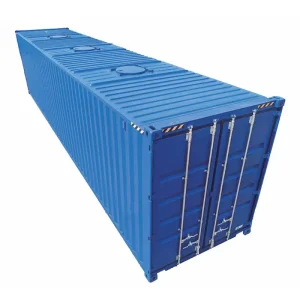
| 40ft High Cube Dry (HC) | 12,192 × 2,438 × 2,896 mm (40' × 8' × 9'6") | 3,820 - 3,980 kg | 28,520 kg (MGW 32,500 kg) | Bamboo/Hardwood treated composite | ISO 668 / CSC / ABS |
| 40ft High Cube Reefer | 12,192 × 2,438 × 2,896 mm (40' × 8' × 9'6") | 4,480 - 4,720 kg | 29,520 kg (MGW 34,000 kg) | High-density PU foam (λ ≤ 0.022 W/m·K) | ATP / ISO 1496-2 / BV |
| 20ft Dangerous Goods (Hazmat) | 6,058 × 2,438 × 2,896 mm (Side Open) | 2,950 - 3,150 kg | 27,330 kg (MGW 30,480 kg) | Integrated sub-floor bunding & steel grid | IMDG Code / CSC / DNV |
| 20ft ISO Tank (T11 UN Portable) | 6,058 × 2,438 × 2,591 mm | 3,500 - 3,750 kg | Up to 26,000 Liters Capacity | 50mm Rockwool with GRP/Aluminum jacket | ASME VIII / ADR / RID / IMDG |
| 10ft DNV Offshore Cargo | 2,991 × 2,438 × 2,591 mm | 1,950 - 2,100 kg | 8,050 kg (MGW 10,000 kg) | Heavy-gauge corrugated anti-corrosion steel | DNV 2.7-1 / EN 12079 |
When requesting quotes for storage freight containers from direct manufacturing plants, prices vary based on raw material costs and specifications. Core pricing drivers include:
1. Global Corten Steel Spot Pricing: Weathering steel constitutes up to 55-60% of the raw material baseline cost of a dry freight unit. Volatility in iron ore, hot-rolled coil (HRC), and alloy additives directly correlates with container baseline spot prices.
2. Floor Substrate Specifications: Environmental regulations have catalyzed transitions from traditional apitong/keruing hardwood veneers to eco-friendly dense bamboo composite flooring, galvanized steel checkered plates, or extruded aluminum T-flooring, which adjust unit base pricing by $250 - $650 per TEU.
3. Paint and Coating Chemistry: Standard zinc-rich primers with chlorinated rubber or polyurethane finishes comply with standard sea transit. Transitioning to ultra-low VOC waterborne coatings or solvent-free multi-coat offshore epoxies (meeting ISO 12944 C5-M high durability classification) impacts production cycle time and finishing costs.
4. Active Machinery Integration: For refrigerated or climate-controlled cargo containers, the selection of Carrier Transicold ThinLINE/PrimeLINE, Thermo King Magnum Plus, or Daikin LXE units dictates refrigeration package pricing, which typically exceeds the cost of the structural shell itself.
Key architectural and logistical inquiries answered directly by factory design engineers and global export compliance specialists.
Engineered for hazardous chemicals, heavy asphalt, nested mini-storage fleets, offshore exploration, and low-temperature cold chain logistics.