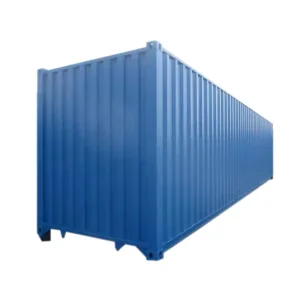
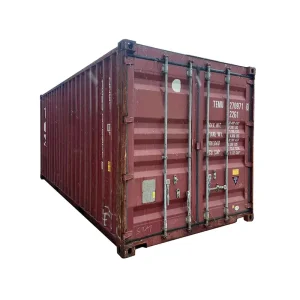
Direct supply line from China's primary manufacturing hubs. Every unit meets ISO 1496-1 classification and full structural load-bearing integrity.
Navigating structural macro-shifts, supply chain decentralization, and extreme payload dynamics across transnational transport corridors.
The global freight ecosystem is currently traversing an unprecedented inflection point characterized by multimodal consolidation. Containerization is no longer limited to maritime lanes; rather, inland intermodal freight transfer—integrating maritime terminals directly with heavy rail corridors and regional terminal chassis systems—is driving industrial trailer procurement strategies across Europe, North America, Southeast Asia, and the Global South.
As international port authorities enforce strict turnaround time mandates, logistics operators demand high-tensile, low-tare skeletal trailers, gooseneck container chassis, and multi-functional flatbed combinations capable of switching effortlessly between standard 20ft ISO blocks, twin 20ft configurations, and high-cube 40ft/45ft shipping bodies. The structural integration between the cargo container and its dedicated transport trailer dictates overall operating margins, tire wear cycles, fuel efficiency, and axle-load compliance under stringent regional regulatory regimes.
Seamless transfer architectures prioritizing drop-and-hook operations reduce terminal dwell time by 35% across high-throughput logistics hubs.
Strict regional bridge formulas (US Federal Bridge Law, EU Directive 96/53/EC) necessitate Q345B/Q460 high-strength steels to trim tare weight without shedding structural integrity.
Real-time integration of digital pressure sensors, EBS electronic braking modules, and continuous cargo temperature feeds for end-to-end trace auditing.
Why China's specialized intermodal container and trailer industrial clusters deliver unbeatable manufacturing velocity, cost-competitiveness, and metallurgy precision.
Direct pipeline supply of high-grade atmospheric corrosion-resistant Corten-A steel, lowering raw material procurement lead times to near zero.
Factory lines leverage 6-axis robotic arms for consistent single-pass longitudinal beam welds, completely avoiding cold laps and structural micro-cracks.
Standardized factory matching with global component staples: FUWA/BPW axles, JOST landing legs, WABCO dual-line ABS/EBS pneumatic brake systems.
Turnaround from custom CAD chassis/box structural calculations to physical prototype testing within 14 business days via Tianjin & Suzhou design units.
Field-proven performance across extreme terrain, severe climate zones, and demanding intermodal distribution centers.
Reinforced chassis with low-temperature impact ductile steels (-40°C rated) and cold-flexible rubber airlines, paired with insulated and blast-reefer containers.
High-reflectivity specialized polyurethane paint coats, heavy-duty cyclone air intake filtration, and enhanced heat-dissipating cooling unit couplings (Carrier/Thermo King).
Heavy mechanical leaf spring bogie suspensions, reinforced kingpin plates (50# / 90# forged), and reinforced half-height ore carrier containers for extreme unpaved road cycles.
| Trailer / Container Configuration | Primary Cargo Target | Structural Steel Specification | Axle & Suspension Array | Target Regulatory Regime |
|---|---|---|---|---|
| 40ft High-Cube Gooseneck Chassis | General Dry Freight & Reefer Boxes | Q345B High Tensile Steel (Welded I-Beam) | Tri-Axle 13T FUWA / Air Suspension | EU 96/53/EC, ISO 1496-1 |
| 20ft ISO Heavy-Duty Skeletal Tank Chassis | ISO Tank Containers (Chemicals, LPG, LNG) | Q460 / High Yield Low Tare Steel | Tandem/Tri-Axle BPW / Mechanical Leaf | ADR Road Regulations, US DOT |
| Multi-Drop Side-Open Platform Combination | Palletized Chilled Produce & Industrial Units | Corten-A Corrosion-Resistant Plate | Twin-Steering Front / Air Ride Rear | GCC Standard, Australian ADR |
| Reinforced Half-Height Offshore Rig Chassis | Dense Mineral Ore, Oilfield Equipment | Super Heavy Structural Tube Sections | Heavy-Duty Bogie Single-Point Suspension | DNV 2.7-1 / EN 12079 |
Pioneering the transition from passive towing platforms to active, connected, lightweight intermodal energy assets.
Replacing traditional heavy timber flooring with reinforced composite honeycomb decking and carbon-doped aluminum side members, shedding 650kg per unit.
Kinetic energy harvesting axles recharging trailer-mounted battery banks to autonomously power refrigeration compressors without diesel engine burn.
Speed-activated skirts and rear boat-tail fairings that automatically deploy above 65 km/h, achieving a verifiable 8% drag reduction across long-haul lanes.
Full drive-by-wire brake and steering interfacing designed for self-docking tractors in smart, lights-out automated container maritime port terminals.
Ensuring cross-border compliance through global third-party inspection certifications and distributed spare parts networks.
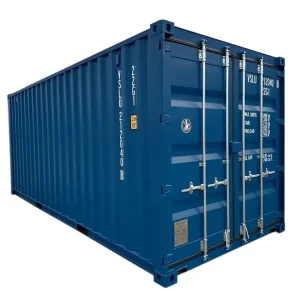
Every dry, reefer, and offshore container undergoes rigorous pressure, corner post stacking (up to 216,000 kg), and dynamic hoisting tests verified by Bureau Veritas (BV) and DNV.
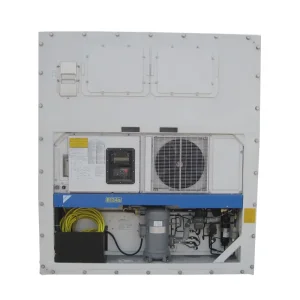
Carrier, Daikin, and Thermo King unit options ensure that any required reefer diagnostics, refrigerant recharging, or compressor maintenance is supported locally in over 120 destination countries.
Finished equipment held ready at premier Chinese deepwater docks (Tianjin, Qingdao, Shanghai, Ningbo) cuts delivery transit time by up to 25 days compared to inland-locked fabricators.
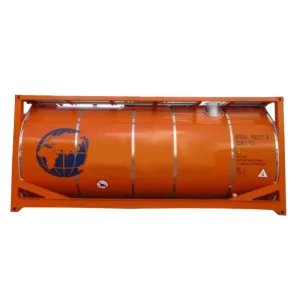
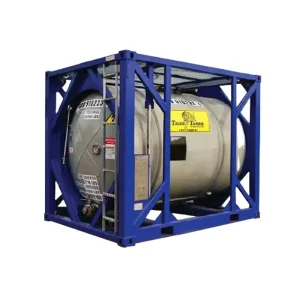
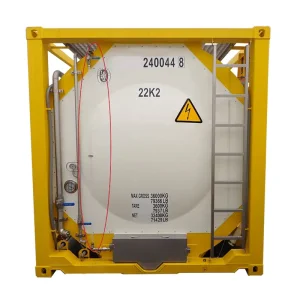
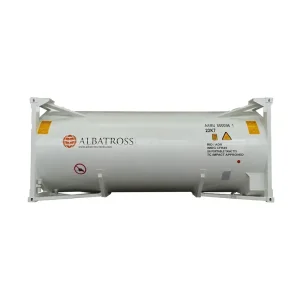
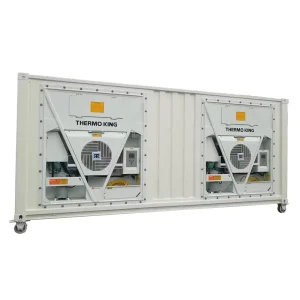
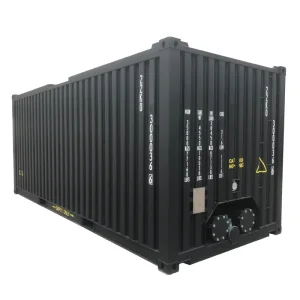
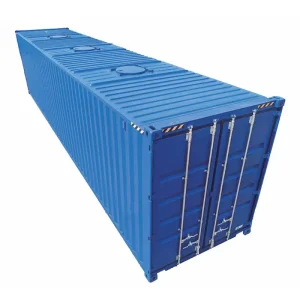
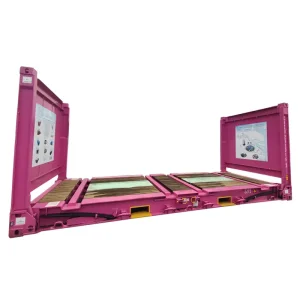
Custom designs for specialized thermal control, bulk liquids, open-side access, and nested logistics setups.
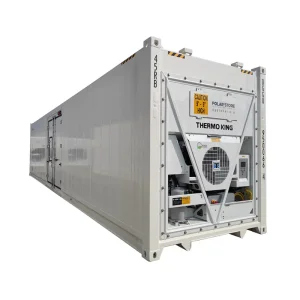
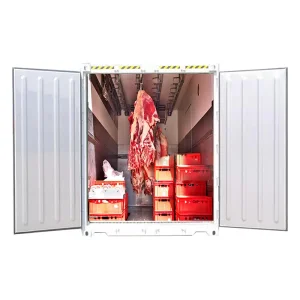
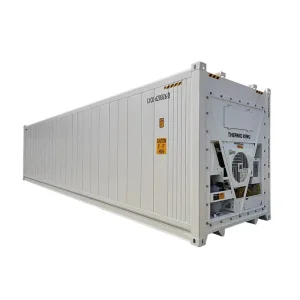
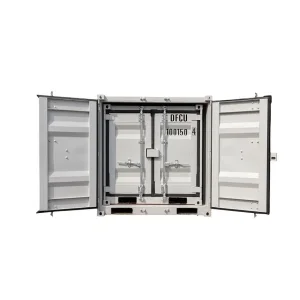
Direct responses from CIMIC senior intermodal chassis engineers regarding certification, axle payloads, coating resilience, and custom manufacturing orders.
Our engineering division designs directly to US Federal Motor Vehicle Safety Standards (FMVSS/DOT) and European Whole Vehicle Type-Approval (ECWVTA). Main beams use Q345B/Q460 steel tailored to bridge formula weight constraints, complete with certified dual-circuit WABCO EBS braking, FMVSS-121 compliant air circuits, and ISO-standard twistlocks.
Highway container trailers prioritize low tare weight, air-ride suspension, and aerodynamic efficiency under strict bridge weight ceilings. In contrast, terminal bomb-cart port trailers feature ultra-heavy wide-flange beams, oversized guide funnels for rapid overhead crane container spotting, solid or industrial dual pneumatic tires, and heavy-duty rigid suspension built for continuous 65-ton shock loading.
Yes. Our tank container chassis lines are engineered to ADR (European Agreement concerning the International Carriage of Dangerous Goods by Road) requirements. Features include lowered center-of-gravity drop-frame designs, integrated spill collection troughs, heavy-duty rear underrun protection (RUP) certified to absorb heavy rear impact, and electrostatic earth bonding grounding reels.
All raw steel chassis undergo automatic shot blasting to ISO 8501-1 SA 2.5 standard to eradicate mill scale and oxidation. This is immediately followed by a zinc-rich epoxy primer coat (minimum 40 microns), an intermediate polyurethane barrier coat, and an ultra-tough two-component acrylic polyurethane finish coat, yielding salt-spray resistance exceeding 1,000 to 1,500 hours.
Standard model production runs typically require 20 to 25 calendar days. For custom OEM/ODM designs requiring structural FEA stress-simulation analysis, prototype corner-casting alignment verification, and customized axle/landing gear brand pairings, the initial batch lead time averages 30 to 40 days from final technical sign-off to port delivery.
To drastically compress ocean freight tariffs, skeletal chassis are engineered with modular bolted hitches and detachable running gears allowing them to be nested and flat-packed 3 to 4 units high into a standard 40ft High Cube container or delivered as a self-contained bundle via Ro-Ro or Breakbulk vessels directly from our Tianjin or Shanghai seaport marshaling yards.
