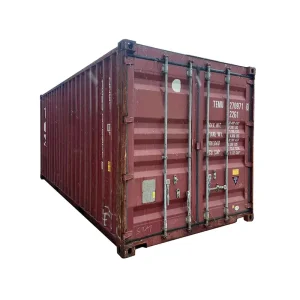
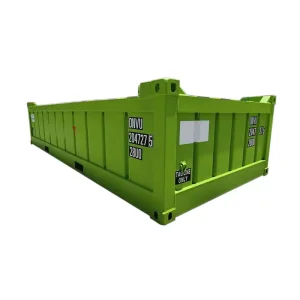
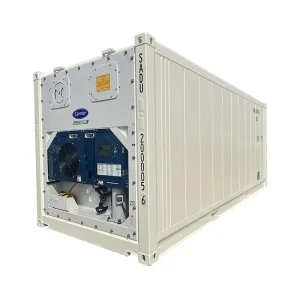
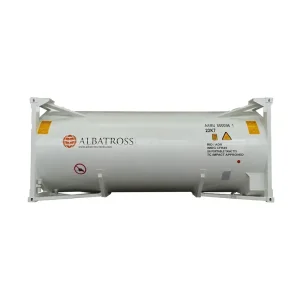
Direct-from-factory marine containers engineered for cold-chain, hazardous chemicals, cryogenic gas, and high-density industrial logistics.

Procuring intermodal equipment demands more than tracking raw scrap-metal indexes. An institutional buyer must balance raw materials, lifecycle degradation, coating integrity, and certification overhead.
Raw atmospheric corrosion-resistant steel represents 55% to 65% of bare dry freight structural costs. Strategic manufacturers hedge bulk tonnage directly with integrated Chinese mills to avoid spot-market premium spikes.
Achieving Type Approval from Bureau Veritas (BV), ABS, or DNV demands rigorous physical destructive testing, transverse bending checks, and hydrostatic safety assessments that directly stabilize multi-year residual value.
A discounted initial price quickly diminishes if zinc-rich epoxy paint coatings lack sufficient dry film thickness (DFT). Selecting superior multi-coat marine paints minimizes corrosion reconditioning during 15-year service spans.
| Equipment Category | Base Structural Composition | Key Regulatory Certification | Projected Working Lifespan | Capital Cost Index |
|---|---|---|---|---|
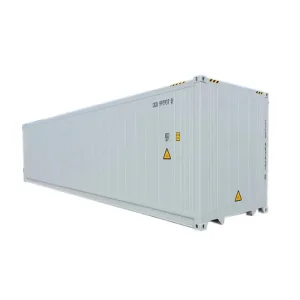
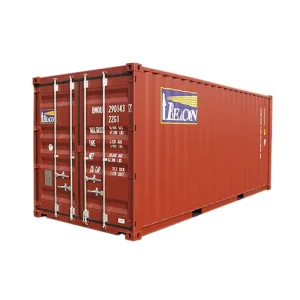
| Standard Dry Van (20ft/40ft HC) | SPA-H Corten Steel, 28mm Apitong/Plywood | ISO 1496-1, BV, CSC, TIR | 15–20 Years | Baseline Reference (1.0x) |
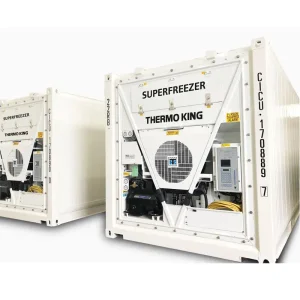
| Reefer Cold Chain (Carrier/Thermo King) | MGSS / Alloy Outer, Polyurethane Foam Core | ISO 1496-2, ATP Certified, CE | 12–15 Years Active | 4.5x – 6.0x Dry Baseline |
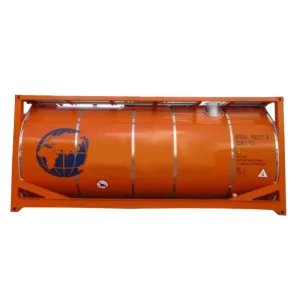
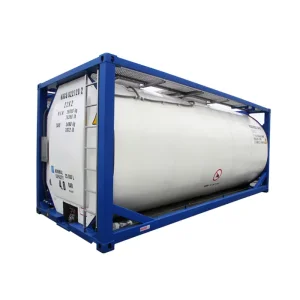
| Chemical / Food ISO Tank | 316L Stainless Steel, Vacuum Insulation | ASME VIII Div 1, IMDG T-Code, RID/ADR | 20–25 Years | 7.0x – 9.5x Dry Baseline |
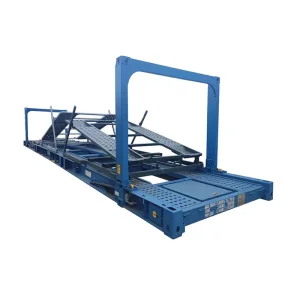
| Offshore Rig-Ready Units | High-Yield Structural Steel, Integral Lifting Pad-eyes | DNV GL 2.7-1 / EN 12079 | 15–20 Years Offshore | 3.5x – 5.0x Dry Baseline |
Manufacturing location dictates landed equipment economics. CIMIC’s manufacturing plants in Tianjin and Suzhou leverage raw-material clustering and port synergy to streamline delivery.
Located under 100 kilometers from Tianjin Xingang and regional Yangtze hubs, finished inventory bypasses excessive highway drayage costs, delivering direct access to export container terminals.
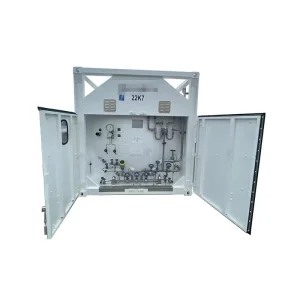
Dedicated structural engineers provide CAD/CAM validation within 48 hours for bespoke builds, including roller-shutter modifications, dangerous-cargo bunding, and cryogenic piping integration.
Every dry, reefer, and tank build undergoes ultrasonic weld checks, helium leak detection for pressure vessels, and calibrated water-tightness tests according to ISO 1496 compliance rules.
We keep tested, seaworthy used dry boxes and refurbished reefers stationed across primary Chinese consolidation gates, offering cargo-worthy certifications for rapid dispatch.
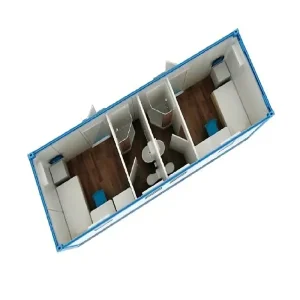
Container architecture has expanded well past traditional line-haul cargo. Engineered enclosures serve as modular buildings, secure field clinics, and offshore subsea stations.
Temperature precision for seafood, berries, and active pharmaceutical ingredients (APIs). Units configured with Daikin, Carrier, or Thermo King machinery maintain thermal stability within ±0.25°C across ambient ranges up to +50°C.
Rig and supply vessel operations in the North Sea and Gulf of Guinea require specialized DNV 2.7-1 certifications. Reinforced corner castings and certified sling sets prevent operational failures during dynamic marine lifts.
Industrial site camps, remote telecom enclosures, and off-grid sub-stations utilize modified 20ft/40ft frames for structural integrity, integrated electrical routing, and rapid crane assembly.
Uncertified equipment risks costly demurrage, customs impoundment, or catastrophic marine loading failure. Verifying international accreditations protects your capital expenditure.
Complies with the International Convention for Safe Containers (1972). Plates are permanently affixed to confirm structural load ratings and dynamic corner-post testing.
Customs seals, tamper-evident door hinge pins, and continuous welding profiles stop contraband insertion and expedite multimodal clearance under TIR transit rules.
Frames meet European and Eurasian rail acceleration requirements, providing the necessary transverse stiffness for long haul intermodal flatbed transfers.
Waterborne coating systems lower solvent emissions below 420g/L, matching strict regional environmental rules across European and North American ports of entry.
Next-generation shipping containers incorporate integrated telematics, advanced composite materials, and low-GWP refrigerants to align with modern ESG supply-chain mandates.
Reefer engineering is shifting rapidly to R-513A and natural CO2 (R-744) refrigerants. These reduce global warming potential while maintaining performance for pharmaceutical and produce hauls.
Built-in IoT sensors record real-time internal temperature, ambient humidity, geofencing coordinates, and doorway breach logs, communicating via global cellular and satellite networks.
In place of traditional hardwood timbers, eco-conscious fleets are adopting recyclable bamboo-steel composites and recycled PET foam panels, reducing overall tare weight and helping cut net fuel consumption.
Technical, operational, and commercial insights directly from our engineering and international export divisions.
The dominant driver is raw Corten steel pricing (making up over 55% of empty tare costs), followed by international marine freight fluctuations, worker welding wages, and supply imbalances at key export gateway ports.
Insist on third-party certification documents from recognized agencies like Bureau Veritas, ABS, or DNV. Review CSC safety plate stampings and request factory hydraulic pressure and light-leak test records before approving final factory dispatch.
Standard ISO dry box builds ship in 2 to 3 weeks. Custom conversions featuring specialized side doors, custom insulation, or integrated hazardous material tanks usually require 30 to 45 business days for engineering, fabrication, and testing.
Yes. We regularly coordinate with international freight forwarders to load export cargo directly into your purchased SOC containers. This avoids one-way empty repositioning charges and completely eliminates liner container demurrage.
Browse our certified used units, heavy-duty offshore baskets, modular living spaces, and compact multi-footprint options.