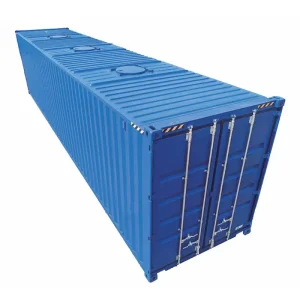
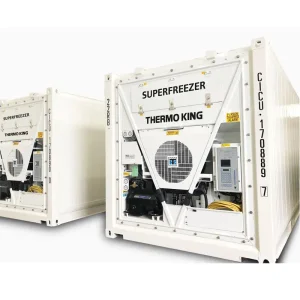
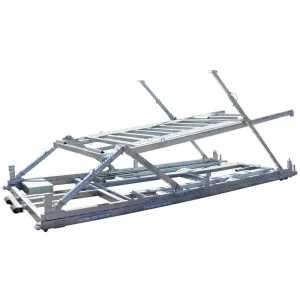
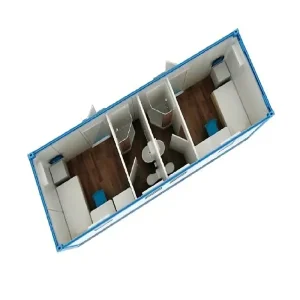
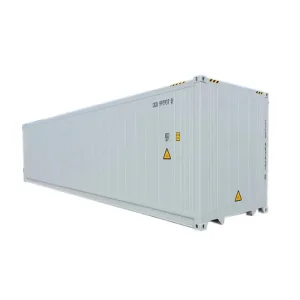
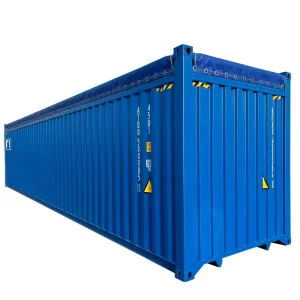
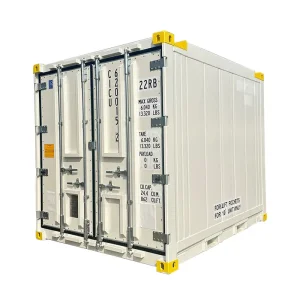
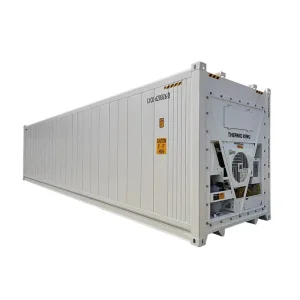
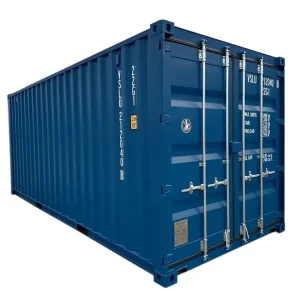
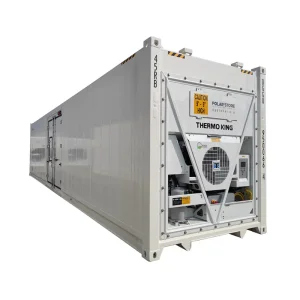
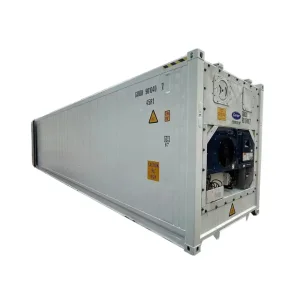
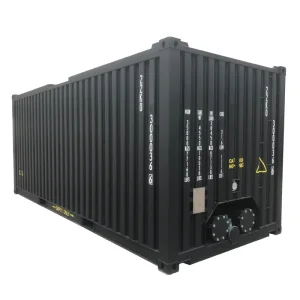
Direct manufacturer deployment of certified dry freight, cold-chain reefer, heated industrial transport, and chassis-compatible intermodal units.
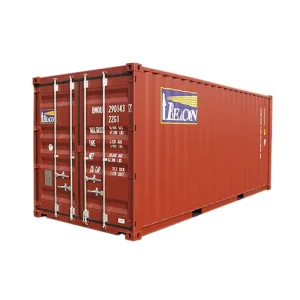
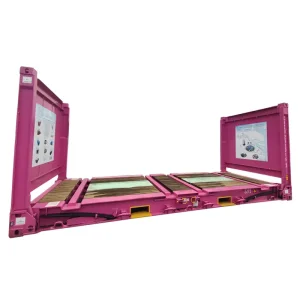
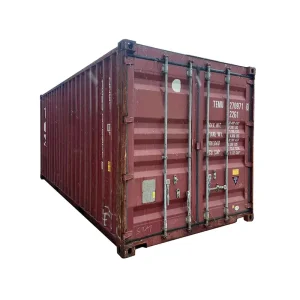
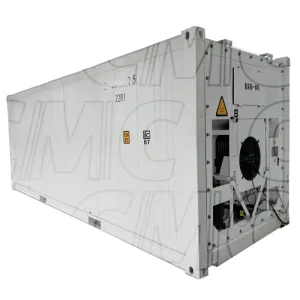
Deconstructing the symbiosis between stationary storage enclosures, skeletal semi-trailers, and multi-modal transport nodes in contemporary freight networks.
The contemporary freight transportation matrix relies comprehensively on intermodal equipment standardization. Among the core instruments driving global commerce, storage containers and specialized container chassis trailers represent the fundamental interface between maritime seafaring vessels, rail corridors, and terrestrial trucking networks. In recent operational cycles, industrial shippers, agricultural exporters, civil contractors, and municipal cold-chain distributors have faced unprecedented volatility in equipment availability, dwell times, and supply chain continuity. As a direct consequence, the strategic evaluation of famous storage container trailer products and premier manufacturers has transitioned from a routine procurement task to an executive-level risk mitigation imperative.
Container trailers—frequently categorized as skeletal trailers, intermodal chassis, platform flatbeds, and gooseneck container carriers—are engineered specifically to secure and mobilize ISO containers ranging from 10-foot compact cubes to 45-foot high-cube configurations. The synchronization between container design (structural corrugated Corten steel frames, ISO corner castings conforming to ISO 1161, and cross-member payloads) and trailer design (high-strength low-alloy main beams, pneumatic air-ride suspension, twist-lock shear mechanisms, and dual-circuit braking architectures) determines operational safety, fuel consumption per ton-kilometer, and asset longevity.
A granular evaluation of metallurgical thresholds, torsional rigidity benchmarks, and operational load profiles across premier industrial trailer variants.
Designed primarily for 40ft and 45ft High Cube dry and refrigerated shipping containers, reducing overall running height and maintaining low centers of gravity.
Engineered for terminal operations, port drayage, and intense intermodal cross-dock transfers where maximum durability under dynamic loading is crucial.
Combines perimeter floor support with retractable container twist-locks, serving both ISO storage boxes and break-bulk construction cargo.
| Chassis & Trailer Category | Yield Strength (Main Beam) | Payload Capacity (kg) | Tare Weight (Approx.) | Twist-Lock Ratings | Standard Certifications |
|---|---|---|---|---|---|
| 20ft ISO Intermodal Skeletal | ≥ 345 MPa (Q345B Carbon) | 30,480 kg | 3,800 kg - 4,200 kg | 4 × Heavy-Duty Forged | ISO 1496-1, CSC, BV, DOT |
| 40ft High-Cube Gooseneck | ≥ 460 MPa (Q460 High Yield) | 35,000 kg | 5,100 kg - 5,600 kg | 4 × Retractable / Fixed | ISO, ADR, FMVSS, DNV |
| 20/40ft Combi-Chassis Slider | ≥ 550 MPa (T700 Advanced Alloy) | 40,000 kg | 6,200 kg - 6,800 kg | 8 × Multi-Position Locks | CE, ADR, Australian PBS |
| Heavy-Haul Drop-Deck Lowbed | ≥ 700 MPa (Structural Steel) | 60,000 kg - 80,000 kg | 9,500 kg - 12,000 kg | Optional Twist Locks | Mining Safety, Road Transport |
| Integrated Reefer Chassis Unit | ≥ 345 MPa Treated Alloy | 32,500 kg | 5,800 kg (with Genset) | 4 × ISO Standard Locks | ATP, ISO, CSC, Carrier / TK Spec |
Field deployment analysis spanning North American freight lanes, European green corridors, Australian mining zones, and Middle Eastern desert logistics.
Navigating Bridge Formula gross vehicle weights (GVWR). Demands ultra-lightweight skeletal designs utilizing T700 steel to offset chassis weight against maximum legal 80,000-lb gross limits.
Focuses on tight turning radiuses, 4-meter total height constraints, and mandatory EBS roll-stability systems. Gooseneck chassis maintain load heights within EU directive 96/53/EC thresholds.
Subjected to brutal corrugations and heavy mineral density. Requires heavy-duty tri-axle chassis with DNV-compliant half-height ore containers operating in road-train setups under PBS guidelines.
High ambient heat (surpassing +50°C) requires solar-augmented DC-inverter reefer units mounted on custom trailers with reinforced tire-compound specifications and heat-reflective C5-M coatings.
A crucial failure mode in field logistics is the mismatch between container corner casting load points and trailer structural nodes. For example, carrying a dense 20ft container with high liquid or concentrated metal cargo on a 40ft straight-frame chassis without dedicated center bolsters induces severe bending moments on the main longitudinal beams. Specialized combi-chassis solve this challenge through pneumatic sliding sub-frames or dual-position kingpins, allowing operators to position single 20ft boxes centrally over the running gear for optimal kingpin-to-axle weight transfer, eliminating structural fatigue and road fines.
Strategic positioning, raw material integration, and automated precision in Tianjin and the Yangtze River Delta industrial corridors.
The manufacturing supremacy of China in the global shipping container and intermodal trailer segment is rooted in integrated supply clusters. Chinese manufacturing hubs—particularly in industrial centers like Tianjin and Suzhou—benefit from direct geographic adjacency to state-of-the-art seaports (typically within 100 kilometers). This proximity slashes domestic drayage expenses, mitigates pre-export transit damage, and enables instantaneous roll-on/roll-off (Ro-Ro) or breakbulk container vessel loading.
Direct pipeline supply of high-grade atmospheric corrosion-resistant steel (SPA-H Corten steel) and specialized structural profiles from world-class domestic blast furnaces guarantees predictable metallurgy without import markups.
Robotic welding lines execute continuous submerged-arc longitudinal seams across chassis main beams, eradicating human fatigue anomalies and elevating structural endurance against dynamic highway oscillation.
Automated shot-blasting to Swedish SA 2.5 standards followed by multi-stage electrophoretic deposition (ED) primer and marine-grade zinc epoxy topcoats ensures 1,000+ hours of continuous salt spray test resistance.
Furthermore, the mature industrial ecosystem in China fosters high adaptability for bespoke OEM and ODM engineering requests. Whether international contractors require customized access configurations (such as roll-up shutter doors for rapid inner-city delivery or side-opening full-access walls for heavy military or aircraft engine maintenance), Chinese manufacturers scale production from prototyping to high-volume outputs with minimal tooling lead times.
The digital and sustainable transformation reshaping container trailer performance over the next decade.
Modern container chassis are transitioning into connected cyber-physical assets. Smart hubs integrate digital tire pressure monitoring systems (TPMS), brake-pad wear sensors, and dynamic weight strain-gauges. Data is transmitted via satellite-cellular uplink to give fleet dispatchers real-time visibility into axle overloading, wheel-end heat spikes, and twist-lock engagement status.
Traditional reefer operations consume hundreds of liters of diesel fuel during static dwell times. The integration of thin-film solar photovoltaics (PV) on high-cube reefer container roofs coupled with high-capacity lithium iron phosphate (LiFePO4) battery buffers and 220V/380V DC inverter compressors reduces stationary generator-set reliance by up to 65%.
Autonomous terminal tractors (AGVs) operating in smart ports mandate automatic twist-lock engagement interfaces. Next-generation container chassis incorporate pneumatic or hydraulic self-locking latching systems controlled via CAN-bus signals from the tractor, eliminating manual pin operations by dock workers and drastically accelerating container crane cycle times.
A rigorous financial breakdown and regulatory roadmap for global fleet procurement directors and logistics asset managers.
When assessing equipment quotes between tier-one manufacturers and budget builders, procurement teams must evaluate beyond initial capital expenditure (CapEx). Inferior metallurgy, non-certified welding, substandard axle assemblies, and inadequate paint thickness lead to catastrophic frame fatigue, road safety violations, and crippling operational expenditure (OpEx) inflation over a 10-to-15-year service life.
| Evaluation Parameter | Standard Commercial Spec | CIMIC Tier-1 Heavy Duty Spec | Operational Impact & Life Cycle ROI |
|---|---|---|---|
| Main Beam Material | Standard Carbon Steel (Q235) | High-Tensile Alloy (Q345B / Q460 / T700) | Prevents beam sag, reduces tare weight by 15%, elevates cargo capacity. |
| Surface Treatment | Manual Sanding + Single Alkyd Coat | SA 2.5 Shot-blast + Zinc-rich Marine Epoxy | Extends anti-corrosion life from 3 years to 15+ years in coastal zones. |
| Axles & Braking | Unbranded Local Mechanical Drum | Certified BPW / Fuwa / Knorr WABCO EBS | Reduces stopping distances by 28%, prevents jackknifing, lowers tire wear. |
| Twist-Lock Casting | Cast Iron (Vulnerable to brittle shear) | Drop-Forged High-Alloy Carbon Steel | Eliminates box detachment risks during high-speed emergency maneuvers. |
| Wiring Harness | Exposed split conduit, non-sealed | IP67/IP69K Waterproof Molded Sealed Loom | Prevents intermittent electrical shorts caused by road salt and high-pressure washing. |
For cross-border deployment, container chassis trailers must fulfill explicit territorial requirements prior to port clearance:
In-depth responses to critical technical queries compiled by CIMIC sales engineers and international logistics directors.
Explore heavy-payload bulk modules, deep-freeze refrigeration enclosures, vehicle transport racks, and high-cube insulated containers.