Engineered for severe-duty global logistics, verified by Bureau Veritas, and optimized for cross-border maritime, rail corridor, and road interchangeability.
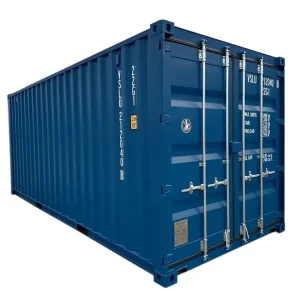
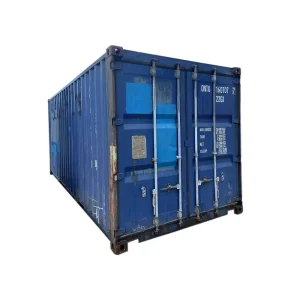
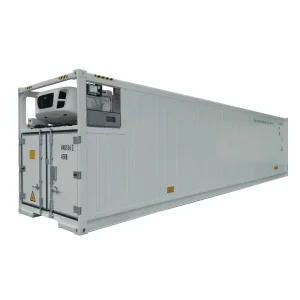

From raw agricultural grain and concentrated mineral slurries to hazardous petrochemical flowables, modern supply chains are systematically retiring breakbulk transport in favor of specialized, multimodal containerized systems.
Traditional dry bulk chartering encounters systemic headwinds: severe demurrage exposure at congested anchorages, double-digit product attrition through multiple transshipment cycles, and catastrophic exposure to ambient moisture contamination. The deployment of custom-engineered ISO dry bulk containers and pressurized tank units eliminates multiple handling touchpoints, establishing a fully enclosed, tamper-evident intermodal supply pipeline.
By transforming raw commodities into unitized freight, industrial logistics operators achieve agile inventory balancing, chartering standard container slots across major liner alliances rather than negotiating volatile voyage charters for entire bulk vessels.
The contemporary bulk shipping ecosystem demands continuous, verifiable digital custody. High-performance bulk cargo containers built by our advanced manufacturing facilities integrate explosion-proof ATEX-certified IoT sensory arrays. These units dynamically monitor internal moisture thresholds, ullage pressure differentials, core commodity temperature, and dynamic G-force impacts encountered during humping operations on transcontinental railways.
For sensitive food-grade agribulk and hygroscopic industrial powders, automated desiccant breathers and nitrogen purge validation ports maintain positive atmospheric pressure, completely suppressing oxidative degradation and microbial propagation over 45-day maritime transits.
Bulk cargo containers encounter intense structural fatigue: internal hydrostatic pressures against side corrugated panels during vessel roll, dynamic impact loads during top-loading from overhead conveyor discharge chutes, and localized chemical attack. Our structural engineering leverages authentic high-yield SPA-H atmospheric corrosion-resistant Corten steel with an ultimate tensile strength exceeding 490 MPa.
Interior linings receive multi-pass high-solids epoxies or vulcanized thermoset polyurethane membranes, delivering certified abrasion resistance against hard sharp ores while complying fully with FDA 21 CFR 175.300 requirements for human food contact.
Operating strategically positioned advanced fabrication facilities in Tianjin and Suzhou, Tianjin Cimic Imp&Exp Co., Ltd. fuses digitalized manufacturing workflows with rapid seaport staging access.
Structural reliability in bulk transport depends entirely on the integrity of corner casting junctions and bottom longitudinal rail welds. Our Industry 4.0 production lines deploy multi-axis robotic submerged-arc welding (SAW) gantries integrated with laser visual tracking. This guarantees zero-porosity, high-penetration joints across 100% of critical load-bearing framework.
By automating the cold roll-forming of corrugated Corten side-sheets and roof panels, we achieve micron-level dimensional tolerances that prevent water ingress and maintain structural rigidity under stacked loads up to 216,000 kg (9-high ISO container stacking test).
Global supply chain volatility highlights the vulnerability of container fabricators reliant on fragmented sub-tier vendors. Situated within China's primary metallurgical and industrial corridor, our facilities maintain direct strategic partnerships with national Tier-1 steel mills (Baosteel, Shougang). We maintain continuous rolling inventory buffers of Corten-A/SPA-H coils, extruded aluminum flooring, and cast steel corner blocks.
This localized supply density empowers our factory to absorb upstream price volatility and execute large-batch custom orders (100 to 5,000+ TEU) without project lead-time disruptions.
Logistical transit friction between factory floor and container vessel can add substantial cost and risk. Both our primary manufacturing hubs in Tianjin and Suzhou are located within roughly 100 kilometers of deepwater container terminals (Port of Tianjin and Port of Shanghai / Taicang).
Finished containers undergo final Bureau Veritas or DNV witness inspections directly at our staging yards, receive CSC certification plates, and are transferred to terminal berths within hours. This strategic geography accelerates export clearance and permits flexible SOC (Shipper Owned Container) positioning for fast international dispatch.
Compare core engineering configurations, payload ratings, handling mechanisms, and regulatory compliances across our specialized bulk cargo production series.
| Equipment Classification | Primary Cargo Focus | Structural Metallurgy | Payload & Volume | Discharge & Access Architecture | Certification Standards |
|---|---|---|---|---|---|
| Dry Bulk Box (Top-Hatch) | Grain, plastic resins, starch, chemical granules | Corten SPA-H (1.6 - 2.0mm corrugation) | Up to 30,480 kg (33.2 m³) | 3x circular roof filling hatches; bottom rear discharge hatch | ISO 1496-4 / CSC / BV |
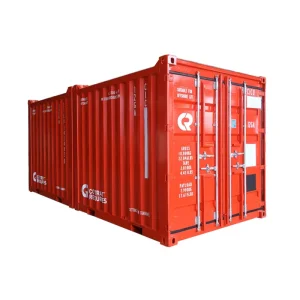
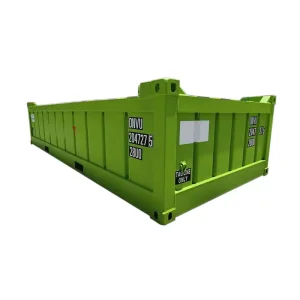
| Half-Height Open Top | Iron ore, copper concentrate, heavy minerals, scrap | Reinforced High-Tensile Corten; Hardox floor option | Up to 32,000 kg (16.5 m³) | Removable tarpaulin / hard steel lid; tipping rotary dumper ready | DNV 2.7-1 / EN 12079 / CSC |
| Offshore Dry Cargo Box | Drilling consumables, subsea tooling, offshore bulk spares | SPA-H + Low-temp charpy V-notch tested steel (-20°C) | Up to 15,000 kg (Custom Vol) | Double-wing sealed doors; certified 4-point pad-eye lifting slings | DNV GL / ISO 10855 |
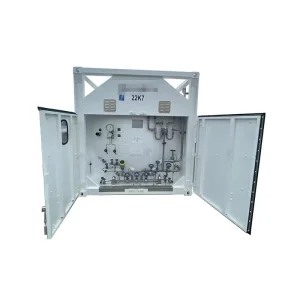
| ISO Tank Container (T11/T75) | Alcohol, food liquids, cryogenic gases, hazardous liquids | SS316L inner vessel / Q345R outer vacuum shell | 17,500L – 26,000L capacity | Top loading manhole; bottom discharge with emergency foot valves | ASME / IMDG / RID / ADR |
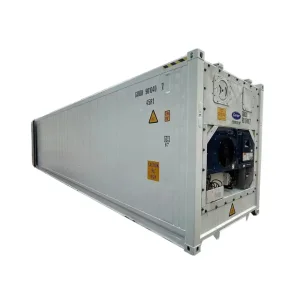
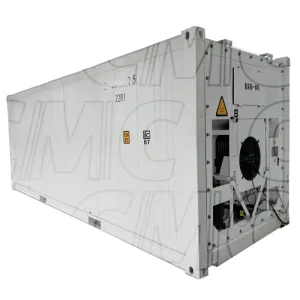
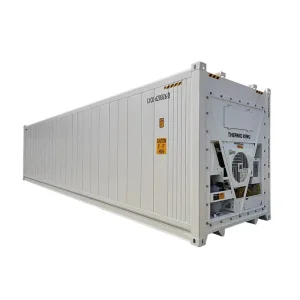
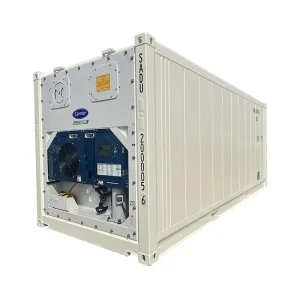
| Belt & Road High Cube | Temperature-sensitive produce, industrial intermodal freight | High-Cube Corten frame with composite insulation | Up to 34,000 kg (76.2 m³) | Integrated Carrier / Thermo King / Daikin electric refrigeration | TIR / UIC 592 / ISO 1496-2 |
Every bulk supply chain presents unique rheological behaviors, corrosive atmospheric threats, and intermodal lifting challenges. Here is how our specialized equipment is engineered to perform.
Transporting bulk commodities such as wheat, soybeans, green coffee, and malt across high-humidity oceanic routes requires strict climate barrier control. When day-night temperature swings cause sweating on inner container surfaces, cargo degradation occurs rapidly. Our specialized agribulk containers combine interior anti-condensation insulation paints with top-fill loading hatches that interface directly with pneumatic grain elevators.
Discharge operations utilize integrated lower rear flap valves or full-width discharge chutes compatible with hydraulic container tilting trailers, unloading 30 metric tons of agricultural bulk within 8 minutes.
Bulk mineral ores—such as bauxite, lithium concentrates, iron ore fines, and copper tailings—exhibit extreme bulk density and abrasive properties. Standard freight containers suffer floor buckling and crossmember failure when loaded with dense mineral masses.
CIMIC's half-height open-top ore containers are fabricated with low center-of-gravity structural geometries, high-frequency reinforced bottom rails, and optional abrasion-proof steel floors. Designed to interface with automated port rotary tipplers, these containers are inverted 360 degrees directly over vessel cargo holds or bulk rail cars, maintaining absolute structural integrity under continuous rotational stress.
Offshore exploration and production facilities in the North Sea, Gulf of Guinea, and South China Sea operate in corrosive salt-spray environments and endure dynamic crane lifting snatch loads. Standard ISO corner castings cannot safely withstand dynamic snatch loads in high sea states.
Our DNV 2.7-1 and EN 12079 certified offshore dry cargo containers are built with integrated pad-eyes welded directly to primary corner posts, non-destructive testing (NDT) magnetic particle examined welds, and low-temperature Charpy impact tested structural steel. Coated in heavy-duty marine polyurethanes delivering over 300 microns of dry film thickness (DFT), they resist decades of severe ocean exposure.
Direct engineering clarity from our technical design group regarding metallurgical standards, certification, manufacturing tolerances, and export terms.
Every bulk container fabricated in our Tianjin and Suzhou production plants is delivered with certified mill test reports (MTR) according to EN 10204 Type 3.1. We certify chemical composition (carbon, manganese, phosphorus, silicon, copper, chromium, and nickel content) and mechanical characteristics (yield point, tensile strength, and Charpy impact energy) of the SPA-H Corten steel utilized. Bureau Veritas or DNV witness verification documentation is issued concurrently with the delivery package.
Our bulk containers undergo strict multi-stage quality verification prior to factory departure. Every completed unit undergoes high-pressure water spray testing in conformity with ISO 1496-1 specifications (direct nozzle delivery at 100 kPa over all welded seams, roof hatches, and door gaskets). Furthermore, door seals are fabricated using virgin dual-lip EPDM extrusion profiles with UV stabilizers, delivering air- and water-tight sealing that resists aging and deformation across an operating range of -40°C to +80°C.
Yes. Our engineering division operates advanced CAD/SolidWorks parametric modeling teams that collaborate directly with enterprise clients. We design bespoke discharge layouts, including pneumatic aeration floor pads for fluidized powder release, guillotine-action discharge gates, oversized conical funnels, and dual-side gravity doors. Dimensions are strictly harmonized with client receiving hoppers and conveyor layouts.
Standard ISO bulk containers, dry boxes, and popular reefer units from our active port inventory are available for immediate staging and rapid departure. For bespoke OEM/ODM engineering builds (special dimensions, custom pneumatic piping, non-standard hatch configurations, or heavy offshore DNV builds), our typical production cycle runs 4 to 6 weeks from technical drawing sign-off. We accommodate flexible batch volumes depending on structural complexity.
All dry bulk, high-cube rail, and refrigerated containers intended for combined rail-sea logistics conform strictly with UIC 592 and TIR regulations. Structural bottom corner castings, gooseneck tunnels, and grab-handling recesses are reinforced to endure dynamic longitudinal acceleration forces encountered in hump yard shunting and high-speed intermodal container block trains operating along the Belt & Road corridors.
For active refrigerated equipment (Carrier, Daikin, Thermo King), all installed power units carry full international manufacturer warranty coverage and access to established local port service centers globally. For structural container hardware, our export operations provide modular spare parts kits—including replacement EPDM gasket kits, locking bar assemblies, hatch clamps, and touch-up C5-M marine epoxy paint systems—dispatched directly to global destinations.
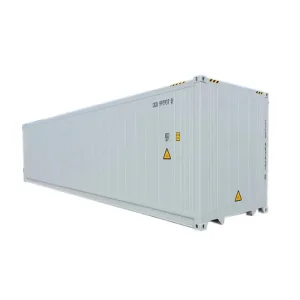
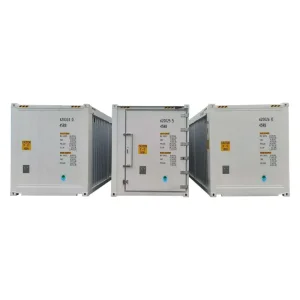
Browse our full series of precision-manufactured intermodal solutions ready for export to global logistics hubs.
Connect with our chief container structural engineers in Tianjin and Suzhou. We review client cargo bulk densities, pneumatic discharging interfaces, chemical compatibility, and classification certification to produce tailored engineering layouts within 24 hours.
