Engineered for high-yield intermodal transit, extreme marine conditions, and precision temperature-sensitive cold supply chains.


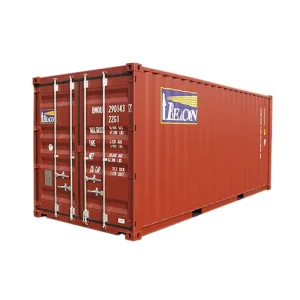
Analyzing cross-border freight infrastructure, structural demand patterns, and material science innovations driving modern international trade networks.
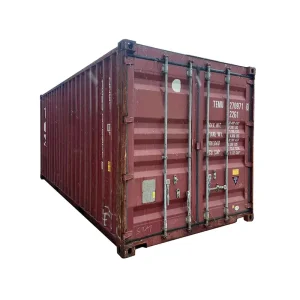
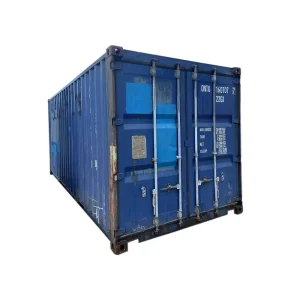
The global commercial and industrial landscape of cargo freight containers has transitioned from basic structural storage vessels into highly engineered, standards-compliant logistic systems. With over 90% of the world's non-bulk commercial products transported via intermodal freight, the container manufacturing sector represents the operational infrastructure of international commerce. Modern production ecosystems require strict adherence to international maritime compliance structures, most notably ISO 1496-1 (Series 1 freight containers specification and testing), the International Convention for Safe Containers (CSC), and stringent offshore classifications governed by DNV 2.7-1 / EN 12079.
At Tianjin Cimic Imp&Exp Co., Ltd. (CIMIC Group), established in 1983, our engineering bases in Tianjin and Suzhou leverage four decades of structural metallurgy and manufacturing mastery. Proximity to premier marine departure hubs—operating approximately 100 kilometers from primary deepwater terminals—enables low-overhead logistics dispatch to Africa, Europe, North America, Latin America, and Oceania. Container durability under sea voyages depends heavily on base metallurgical choices: using SPA-H atmospheric corrosion-resistant Corten steel combined with automated submerged-arc robotic welding guarantees continuous structural integrity under intense torsional strains encountered during rough oceanic crossings.
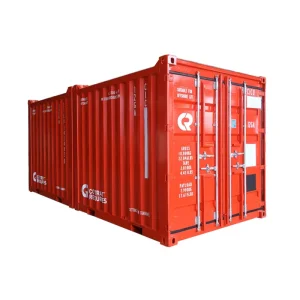
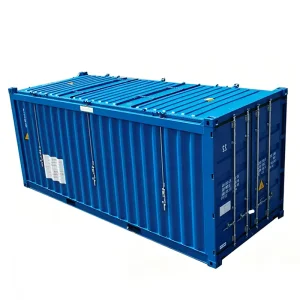
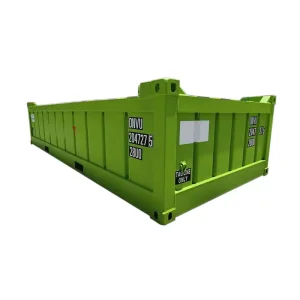
Standardized configurations struggle when applied to oversize mining assets, long steel billets, or dense ores. Our heavy-duty open top (hard-top and soft-tarpaulin) solutions and half-height ore containers feature reinforced understructures, high-tensile corner posts, and dual lashing interfaces capable of carrying up to 30,480 kg without floor deflection.
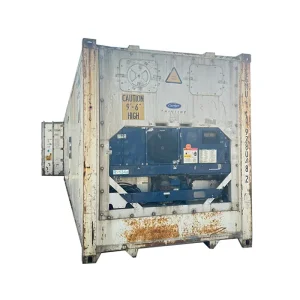
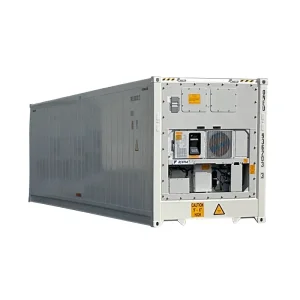
Modern pharmaceutical trade and high-value perishable logistics necessitate micro-climate control. Incorporating high-efficiency machinery from Carrier, Thermo King, and Daikin alongside expanded high-density polyurethane vacuum panels achieves minimal thermal loss (K-factor ≤ 0.38 W/m²K), even under tropical ambient conditions up to 50°C.
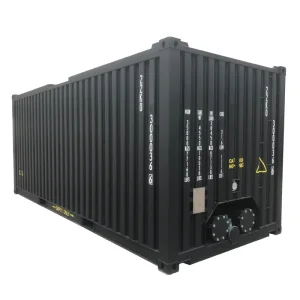
Marine drilling operations and offshore service vessels require structural certifications far exceeding standard CSC limits. Our offshore cargo baskets and dry units incorporate Charpy impact-tested structural steels capable of operating at -20°C, fitted with four-point pad eyes certified for harsh dynamic crane lifts in open swells.
Tracking technological shifts from structural telematics integration to circular metallurgical reclamation in global freight assets.
Real-time cellular/satellite integrated door sensors, temperature probes, and GPS acceleration sensors integrated directly into reefer controllers and high-security dry box locks.
Transitioning from R-134a/R-404A systems to carbon dioxide (R-744 natural refrigerant) systems, slashing the global warming potential to 1 while boosting thermodynamic COP across high thermal gradients.
Introduction of green hydrogen-reduced steel frames and zero-ODP soy-polyol structural insulation cores to slash the Scope 3 carbon footprint of fleet production by 42%.
Fully automated visual inspection compatibility via robotic RFID side-wall tracking, dynamic weight-distribution load monitoring, and self-diagnostic predictive refrigeration maintenance.
| Container Architecture | Standard Structural Specification | Primary Application Use Cases | Certification Standard |
|---|---|---|---|
| 40ft High Cube Reefer | MGW: 34,000 kg, Polyurethane foam core (45kg/m³), Stainless interior, T-floor | Biopharma, deep-frozen perishables, meat/produce liner transit | ISO 1496-2, BV, TIR, ATP |
| 20ft Hard Open Top | Removable corrugated steel roof, swing-out rear header, reinforced side rails | Heavy industrial plant equipment, stone/granite, oversize crated cargo | ISO 1496-1, CSC, UIC |
| DNV Offshore Basket | High-grade alloy frame, structural lifting lugs, drainage floor, internal tie-downs | Subsea drill tooling, umbilical cables, offshore exploration supplies | DNV 2.7-1, EN 12079, IMO MSC/Circ.860 |
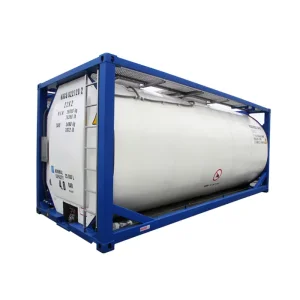
| 20ft ISO Tank Container | 316L Stainless Steel vessel, rock wool insulation, steam/glycol heating coils | Hazardous/non-hazardous bulk chemicals, food-grade oils, bitumen/asphalt | ASME VIII, IMDG, ADR/RID, ISO 1496-3 |
Turnkey structural container strategies configured for high-stress operational logistics across specialized sectors.
In regions such as the Middle East, Sub-Saharan Africa, and Southeast Asia, ambient temperatures routinely exceed 45°C. CIMIC's thickened foam reefers utilize dual-seal EPDM gaskets and optimized floor airflow ducts, maintaining set-points down to -30°C and cutting compressor runtime by up to 28% compared to standard builds.
Rail operations along the Silk Road encounter extreme temperature swings between summer and winter (-40°C to +40°C) alongside aggressive shunting forces. Our specialized road and rail transport units feature high-yield Corten reinforcement beams designed to absorb continuous longitudinal impacts up to 2g without structural distortion.
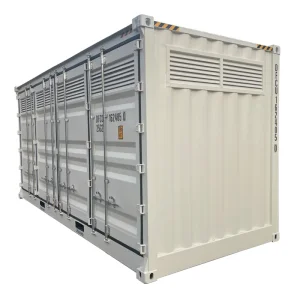
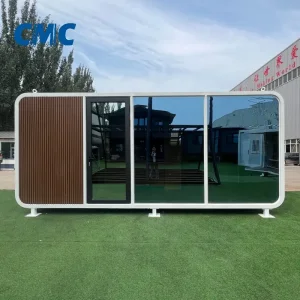
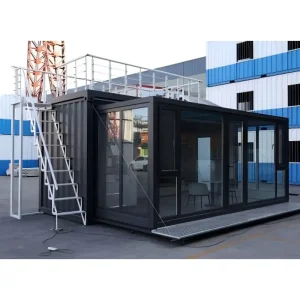
Mining exploration, construction camps, and disaster relief zones depend on rapid-deploy modular housing, apple cabins, and mobile office pods. Delivered flat-packed or pre-assembled with bathrooms, electrical grids, and insulated sandwich panels, these units install 80% faster than traditional brick-and-mortar builds.
Clear, direct answers regarding certifications, dimensional engineering, refrigeration unit selection, and global dispatch logistics.
Explore specialized ISO containers, heavy asphalt carriers, side-opening logistics boxes, and high-performance tank containers.