Procure certified heavy-duty dry cargo, temperature-stabilized reefer containers, modular platforms, and vehicle transit solutions precision-manufactured under rigid ISO 9001 and Bureau Veritas protocols.
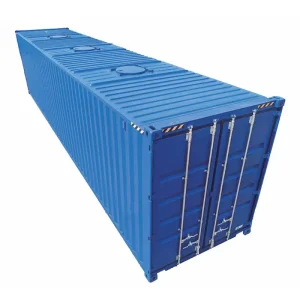
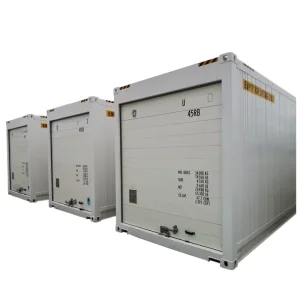
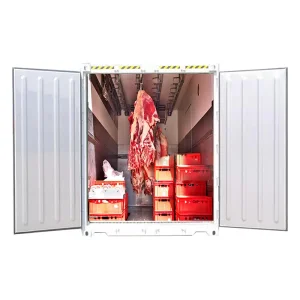
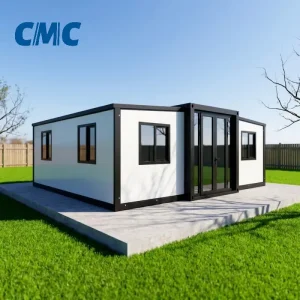
Evaluating Total Cost of Ownership (TCO), catastrophic spillage mitigation, and multi-modal turnaround efficiencies across international maritime, inland rail, and heavy highway distribution corridors.
Standard 20-foot ISO UN Portable Tank Containers carry up to 26,000 liters—providing roughly 44% more liquid volume than conventional 55-gallon steel drums packed within standard 20ft dry boxes. Direct elimination of single-use flexitanks completely avoids micro-puncture liabilities, product wastage, and non-recyclable plastic disposal tariffs.
Built with calibrated structural frameworks adhering strictly to ISO 1496-3 and ASME Boiler and Pressure Vessel Code (BPVC) Section VIII Division 1, our vessels mitigate hydrostatic hammer and severe shockwaves encountered during sea swell dynamics and high-speed railway hump-shunting maneuvers.
Standardized ISO corner castings and dimensions ensure instant multi-modal transfer across deep-sea container vessels, double-stack railway cars, and road chassis. Slashing handling turnaround hours by 70% drastically reduces port dwell charges and supply chain Scope 3 carbon intensity.
A granular engineering reference guide outlining wall thicknesses, pressure thresholds, lining configurations, and metallurgical selections for chemical, food, and gas logistics.
| UN Tank Code | Applicable Media Class | Design Pressure (Bar) | Shell Metallurgy / Lining | Discharge & Relief Configuration | Target Industrial Use |
|---|---|---|---|---|---|
| T11 Standard | Non-hazardous bulk liquids, Class 3, 6, 8, 9 | 1.75 - 2.65 bar (Test: 4.0 bar) | Stainless Steel 316L (1.4404) or 304L | Bottom discharge (3 closures) + spring relief | Biofuels, agrochemicals, plasticizers, industrial solvents |
| T14 High-Hazard | Toxic, highly corrosive, flammable liquids | 4.0 bar (Test: 6.0 bar) | 316L / Heavy-wall Carbon steel + PTFE/PFA lining | Strict Top Discharge only (no bottom hull penetrations) | Concentrated Hydrochloric Acid (HCl), Hydrofluoric (HF), Caustics |
| T50 Pressurized | Liquefied Petroleum Gases (LPG, NH3, Refrigerants) | 10.0 - 34.5 bar | Fine-grained Carbon Steel SA516 Gr.70 or Q345R | Top gas/liquid phases, emergency shut-off valves | Propane, Butane, Anhydrous Ammonia, Halocarbons |
| T75 Cryogenic | Deeply refrigerated liquefied atmospheric gases | 6.0 - 22.0 bar | Dual-shell: Inner Austenitic SS 304L / Outer Carbon | High-vacuum multilayer insulation (MLI) + economizer circuit | Liquid Nitrogen (LIN), Argon (LAR), Oxygen (LOX), LNG, Ethylene |
| Food-Grade Sanitary | Edible oils, fruit juices, dairy concentrates, spirits | 1.5 - 2.65 bar | Sanitary 316L polished to Ra < 0.4 µm (Grit 320) | CIP spray balls, sterile breathing filter valves, bottom valve | Potable wine exports, pharmaceutical base stocks, high-grade oils |
We source heavy-gauge virgin steel coils from Tier-1 certified steelmakers. Cryogenic grade vessels utilize strictly low-temperature impact tested steel plates (Charpy V-Notch tested down to -196°C) to prevent brittle failure under extreme cryogenic states.
Equipped with advanced steam heating channels (effective heating surface > 8.0 m²), glycol circulation jackets, or fully explosion-proof (ATEX Zone 1 / IECEx) electric trace heating strips maintaining viscous liquid cargoes up to 130°C in sub-zero transits.
For aggressive halide chemistries, high-voltage spark-tested (20,000V) virgin ECTFE (Halar), PTFE, and PFA linings are seamlessly sintered onto the internal shell wall, providing complete chemical isolation up to 150°C working temperatures.
Our T75 cryogenic vessels integrate automated molecular sieve getters, cryo-perlite, and vacuum multi-layer insulation (MLI) maintaining inter-vessel vacuum retention below 0.01 Pa, ensuring ultra-low daily boil-off rates (<0.25% per 24 hours).
How our advanced industrial production complexes in Tianjin and Suzhou leverage automated assembly pipelines, continuous non-destructive testing (NDT), and direct maritime terminal integration to lower landed procurement costs.
High-precision 10kW CNC fiber laser cutting tables and heavy hydraulic flanging and cold-spinning presses process vessel heads up to 30mm thickness with sub-millimeter tolerances, eliminating localized mechanical residual stress points.
Robotic internal and external submerged arc longitudinal and circumferential welding gantries guarantee deep, uniform weld penetration. Digital flux shielding prevents pore formation, achieving superior metallurgical grain cohesion.
Every linear meter of longitudinal and circumferential weld undergoes real-time digital X-ray radiography inspection, accompanied by mandatory hydrostatic pressure containment testing at 1.5x designated design pressure.
Vessel inner cavities undergo full-immersion automated acid pickling and chemical passivation to form a flawless chromium oxide corrosion barrier layer. Sanitary vessels undergo continuous mechanical and electropolishing to Ra < 0.2 µm.
Direct supply contracts with domestic primary steel manufacturers guarantee stable metallurgical supply and hedge against global price volatility. Automated raw material warehousing ensures rolling lead times are reduced by 35% compared to European builders.
Our manufacturing centers in Tianjin Airport Economic Zone and Suzhou are situated approximately 100 kilometers from massive deep-water container terminals (Port of Tianjin & Port of Shanghai), enabling rapid, low-cost FOB delivery direct to vessel berths.
Collaborate directly with our on-site senior pressure vessel design engineers. From custom baffle configurations, specialized valve layouts, dual-compartment designs, to proprietary telemetry integrations, we translate project specs into certified production models.
Ensuring complete cross-border operability without regulatory quarantine or custom hold delays through dual and triple statutory certification frameworks.
Fully compliant with the International Maritime Dangerous Goods (IMDG) Code, European ADR (road), RID (rail), and United States Department of Transportation (US-DOT) Title 49 CFR. Accompanied by full TIR customs transit guarantees for bonded border crossings.
Every production batch is witnessed, verified, and stamped on-site by premier independent classification societies: Bureau Veritas (BV), DNV GL, Lloyd’s Register (LR), or China Classification Society (CCS), with complete EN 10204 3.1 material traceability certs.
Our container structures undergo stringent dynamic longitudinal rail impact tests according to the Canadian Transport Commission and Association of American Railroads (AAR M-930) specifications, withstanding impacts exceeding 4G at laden payload.
Customizing container solutions to solve mission-critical logistical bottlenecks across industrial sectors, harsh marine environments, and food safety chains.
High-integrity T11/T14 units equipped with high-pressure nitrogen blankets, flame arrestors, and PTFE gaskets designed to transport corrosive solvents, flammable aromatics, and volatile polymer precursors safely across global sea lanes.
Offshore container tanks built strictly in compliance with DNV 2.7-1 / EN 12079 / ISO 10855. Reinforced crash frames and certified marine sling assemblies engineered for dynamic crane lifts onto offshore drilling platforms in heavy North Sea swells.
Constructed from electro-polished 316L stainless steel meeting FDA 21 CFR and 3-A Sanitary Standards. Complete with steam heating circuits and sterile venting to transport raw milk, concentrated wines, juices, and chocolate pastes without flavor degradation.
T75 vacuum-insulated mobile vessels for liquid natural gas (LNG), green liquid hydrogen (LH2), and anhydrous ammonia supply chains. Facilitating micro-bulk bunkering, remote power plant fueling, and industrial atmospheric gas delivery.
Harnessing ATEX-certified IoT sensing architectures, predictive maintenance telemetry, and high-strength hybrid composite metallurgy to transform static containers into intelligent logistical assets.
Real-time continuous sensor monitoring tracking internal pressure transducers, top/middle/bottom multi-zone digital thermometers, ullage acoustic sensors, and GPS geolocation. Data is encrypted and transmitted via global satellite/cellular constellations directly into corporate ERP systems.
Under active prototype deployment, our R&D team is integrating outer carbon fiber composite reinforcement wraps over ultra-thin stainless liners, achieving a 22% tare weight reduction. This delivers an extra 1.5 metric tons of payload capacity per voyage without violating maximum gross mass limits.
Digital pressure relief valve assemblies incorporating micro-strain gauges and optical leak detection sensors alert fleet dispatchers immediately if trace fugitive volatile organic compound (VOC) emissions or mechanical valve fatigue occur in mid-ocean transit.
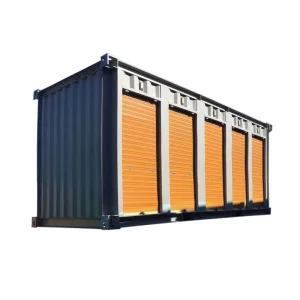
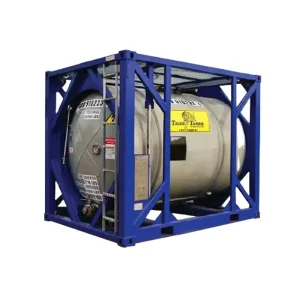
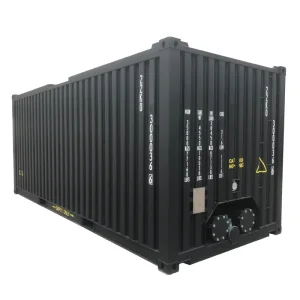
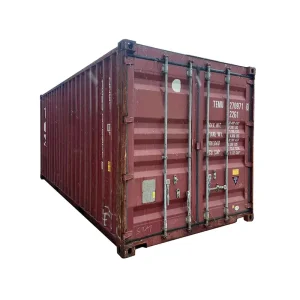
Explore our certified offshore fluid containers, asphalt heating transports, secure hazardous goods modules, and multi-scale storage systems available for volume export orders.
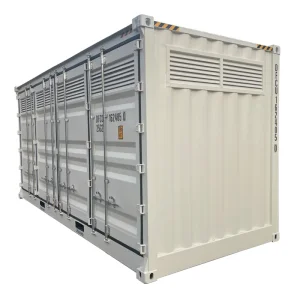
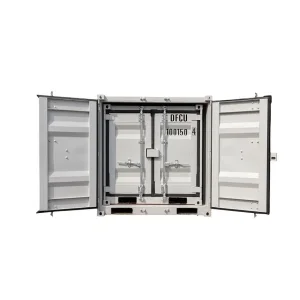
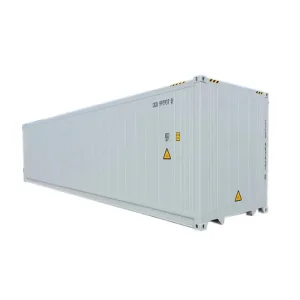
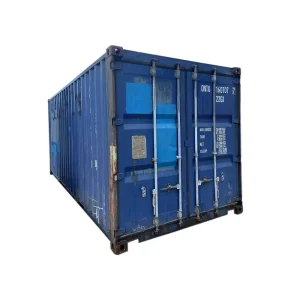
A calculated financial comparison illustrating why tier-1 direct factory procurement outperforms short-term spot leasing and multi-tier leasing contracts over a 15-year operational window.
Unlike standard dry cargo containers that undergo rapid corrosion, our premium 316L pressure vessels retain substantial intrinsic scrap and re-certification value. Historical asset data confirms an average 10-year residual value exceeding 55% of original purchase price when maintained according to ITCO guidelines.
Engineered strictly for effortless 2.5-year intermediate and 5-year periodic hydrostatic re-testing regimes. Universal Fort Vale or Perolo valve footprints guarantee that replacement gaskets, bursting discs, and manlid seals are globally procurable at any major depot hub.
Buying direct from our engineering plant eliminates broker middleman premiums (typically 12-18%). Fleet managers gain direct technical influence over insulation thickness, baffle positioning, anti-climb safety handrails, and customized corporate exterior polyurethane livery.
Clear, uncompromised technical guidance from our senior pressure vessel engineering and international shipping compliance departments.
A UN Portable Tank (often classified under T-Codes from T1 through T75) consists of a certified cylindrical pressure vessel mounted within an external ISO structural framework. Unlike a standard dry container or a flexibag in a box, a UN Portable Tank is designed under ASME Section VIII and IMDG Chapter 6.7 rules to transport hazardous and non-hazardous gases, liquids, and cryogenic fluids under pressures from 1.75 bar up to 34.5 bar.
They feature specialized fail-safe triple closure valves, calibrated pressure-relief assemblies, bursting discs, and thermal insulation systems engineered to survive ocean transit dynamic stresses without risk of rupture.
For highly aggressive chemicals such as Hydrochloric Acid (HCl), ferric chloride, or high-purity caustics, our T14 and specialized tank vessels are manufactured with heavy-wall carbon steel or 316L shells and subsequently lined with high-grade fluoropolymers (such as PTFE, PFA, or ECTFE) or pure rubber vulcanization.
Every square centimeter of lined inner surface undergoes mandatory non-destructive high-voltage electrostatic spark testing (up to 20,000V) to verify zero micro-porosity before clearance. Furthermore, top-discharge-only configurations eliminate vulnerable bottom hull valve penetrations entirely.
Depending on route parameters and destination terminal capabilities, we equip containers with three primary heating architectures:
1. Steam Heating Channels: Longitudinal extruded stainless channels welded to the bottom half of the tank (typically 6-12 runs offering 8-12 m² heating area) capable of handling saturated steam up to 6 bar.
2. Glycol/Water Circulation: Closed-loop circulating fluid jackets providing uniform, gentle heat distribution for temperature-critical food-grade liquids.
3. Electric Trace Heating: Thermostatically controlled, explosion-proof (ATEX / IECEx Zone 1) electric resistance cabling capable of maintaining precise transit temperatures up to 130°C across long-distance railway routes where auxiliary steam is unavailable.
Each container is delivered with an exhaustive Technical Dossier containing:
• Statutory Certificate issued by Bureau Veritas (BV), DNV GL, Lloyd’s Register (LR), or CCS affirming full compliance with IMDG, ADR, RID, USDOT, and CSC regulations.
• ASME Manufacturer’s Data Report (Form U-1) when manufactured under the ASME 'U' Stamp protocol.
• 100% Weld Radiographic Inspection (RT) and Ultrasonic Testing (UT) non-destructive reports.
• EN 10204 Type 3.1 Material Test Reports (MTR) detailing chemical analysis and mechanical tensile/impact properties for all pressure-retaining components.
• Cleanliness, Passivation, and Hydrostatic/Pneumatic Pressure Test Certificates.
Standard ISO dry boxes and proven catalog reefer/tank configurations can be supplied in single-unit sample batches or dispatched from existing yard inventory. For fully engineered OEM/ODM builds—such as specialized DNV offshore crash-frame containers or fluoropolymer-lined chemical vessels—the standard MOQ is typically 2 to 4 units to optimize automated tooling setups.
Factory production lead times typically range between 45 to 65 days from technical drawing sign-off to quay delivery at Port of Tianjin or Shanghai, substantially faster than Western European manufacturing schedules.
Our T75 cryogenic containers feature a concentric double-hull configuration consisting of an austenitic stainless steel inner vessel suspended within an outer carbon steel jacket using low thermal-conductivity composite support blocks.
The annular interstitial space is loaded with multi-layer reflective insulation (MLI) and evacuated to an ultra-high vacuum state with active chemical getters. This thermal barrier yields an exceptionally low Normal Daily Boil-Off (NER) rate of less than 0.25% to 0.35% for liquid nitrogen or LNG, providing up to 45 to 60 days of safe holding time before automated pressure relief is triggered.
