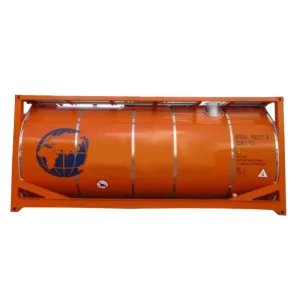
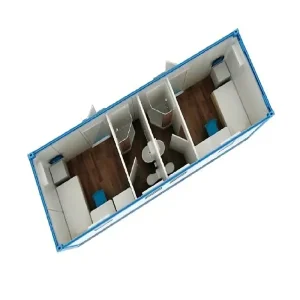
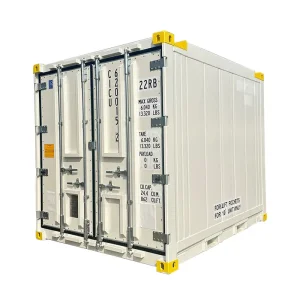
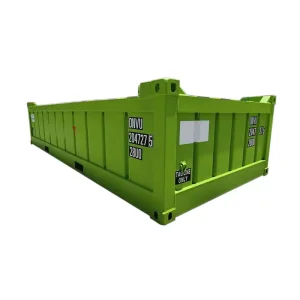
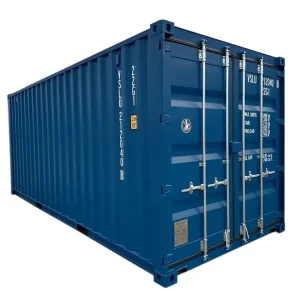
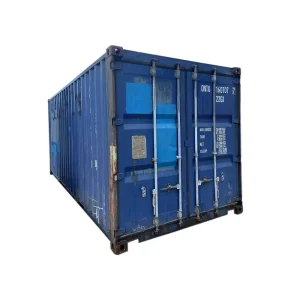
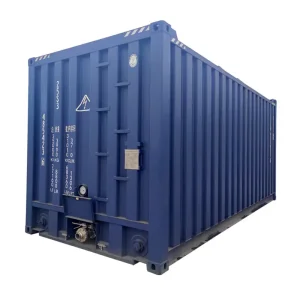
Manufactured directly at our Tianjin and Suzhou industrial facilities within 100 kilometers of the seaport. Every unit incorporates fully certified structural corner feet designed for dynamic stacking, multimodal rail locks, and high-cube stability.
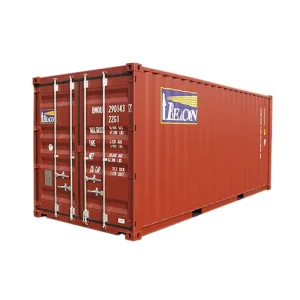
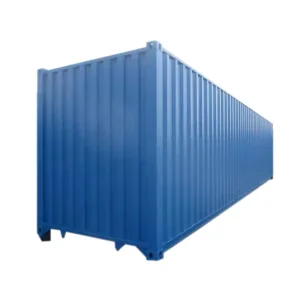
In modern intermodal freight transport and modular architecture, structural container feet—consisting of standardized ISO 1161 corner castings and bottom interface nodes—act as the critical mechanical anchor points carrying total gross tare and payload weights upwards of 34,000 kg.
Standard container corner feet must accommodate high dynamic twistlock engagement forces without micro-fracturing. Each cast node features aperture geometries designed for maritime spreader twistlocks, container chassis twistlocks, rail lashing bridges, and bridge clamp connections under high-shear maritime conditions.
As a flagship container exporter operating since 1983 from Tianjin, China, our supply chain sustains deep OEM partnerships across 6 continents. Global demand for structural container feet is propelled by fleet replacement cycles, specialized offshore modules, and the explosion of turnkey modular living spaces.
All container feet, corner foundations, and structural framing members undergo thorough testing verified by Bureau Veritas (BV), ISO 9001, and DNV classification registries. This includes radiographic inspection for internal casting porosity and ultrasonic weld examination on longitudinal rail attachments.
The container manufacturing and export landscape is transitioning away from conventional manual processes toward automated robotics, specialized micro-alloy metallurgy, and smart telematics embedded into structural container base foundations.
Structural container feet are produced utilizing cast carbon-manganese structural steel (SCW480 or equivalent) welded seamlessly to Corten-A / SPA-H weathering steel crossmembers. This metallurgy induces a dense adherent rust patina that inhibits atmospheric corrosion even in coastal salt spray.
To eliminate the structural vulnerabilities caused by manual weld spatter and uneven bead deposition, CIMIC manufacturing lines integrate multi-axis robotic GMAW (Gas Metal Arc Welding) systems. This delivers deep penetration fillet welds connecting container feet to corner posts and bottom rails.
Next-generation smart containers incorporate strain-gauge micro-sensors directly within corner casting cavities. These sensor systems communicate tare balance, structural strain during vessel loading, and real-time impact spikes during intermodal crane drops or harsh rail shunting.
The rapid rise of prefabricated container architecture requires leveling container feet with integrated screw jacks, seismic shear-key anchors, and quick-locking ground interface plates that bypass traditional slow poured-concrete foundations.
From remote sub-zero mining extraction bases to dynamic offshore petroleum drilling rigs, our structural container base units and corner feet are engineered to satisfy stringent localized operational challenges.
Offshore container feet operate under brutal dynamic shock loads generated by open-sea crane transfers. Units built to DNV 2.7-1 and EN 12079 require bottom castings with strict impact resistance down to -20°C and -40°C, certified pad-eyes, and heavy-duty four-point lifting sling geometries.
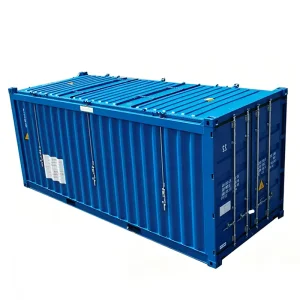
Mining bulk freight containers—such as half-height open-top ore units—experience extreme static floor point-loads. The corner feet transfer immense downforces to rail cars and ship holds without racking or base floor frame deflections.
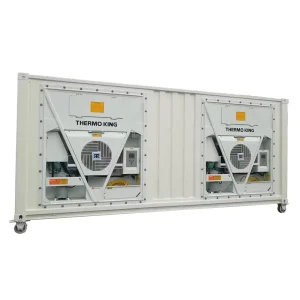
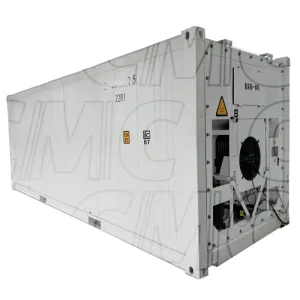
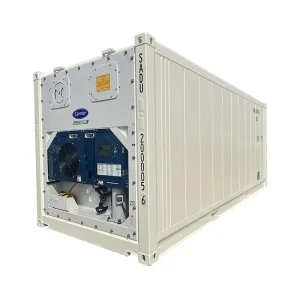
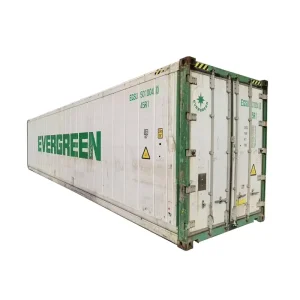
Temperature-controlled reefer boxes utilize specialized base floor t-bars mounted above isolated container feet. This geometry ensures zero thermal bridging between cold cargo interiors and external steel chassis contact points, maintaining consistent thermal efficiency.
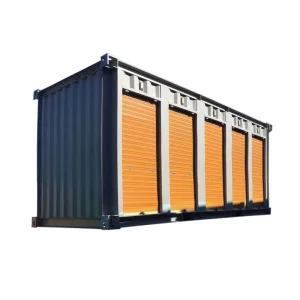
Standard intermodal corner feet on accommodation and office containers interface with engineered foundation piers. These foundations allow multistory stacking, fast structural tie-down lashing, and simplified decoupling for regional relocation.
A detailed comparative analysis illustrating the structural criteria, metallurgical thresholds, and certification standards enforced by CIMIC across standard ISO freight and specialty offshore product lines.
| Metric / Engineering Property | Standard ISO Dry Freight | Heavy-Duty Reefer Box | Offshore (DNV 2.7-1 / EN 12079) | Modular Structural Housing |
|---|---|---|---|---|
| Primary Steel Metallurgy | Corten-A (SPA-H) + Cast SCW480 | Stainless 304/Corten + Polyurethane | Fine-grain High Strength Structural Steel | Q235B / Q345B Hollow Sections |
| Corner Casting Spec | ISO 1161 Standard (TL, TR, BL, BR) | ISO 1161 with Thermal Barrier Isolator | Certified Charpy V-Notch Castings | Modified Quick-Fit Jack Casting Foot |
| Charpy Impact Test | 27 Joules at -20°C | 27 Joules at -20°C | 42 Joules at -40°C or -20°C | Ambient Standard Evaluation |
| Stacking Test Capacity | 86,400 kg - 192,000 kg | 192,000 kg Stacking Proof | Multi-tier Dynamic Pad-Eye Load | 3-4 Tier Static Modular Limit |
| Corrosion Protection System | Zinc-rich Primer + Epoxy + Acrylic (120μm) | Multi-layer Marine Zinc + Polyurethane | Hot Dip Galvanized / Offshore Marine Coating | Anti-rust Primer + Topcoat Coating |
| Classification Societies | Bureau Veritas (BV), ABS, ISO | BV, ISO 9001, Carrier/Thermo King | DNV Certification Standards | CE Structural, ISO Modular Standards |
Navigating complex international container procurement requires precision engineering coordination, rigorous compliance validation, and optimized port-proximate dispatch logistics.
We provide clients with direct access to our senior engineering design team. Through advanced Finite Element Analysis (FEA) computer modeling, our factory calculates point loads, torsional racking resistance, and stress vectors on non-standard container foot modifications before steel fabrication begins.
Located approximately 100 kilometers from the Tianjin and Shanghai export container berths, our manufacturing yards reduce drayage transport expenses. In addition, our stock of inspected, certified used shipping containers across major Chinese ports guarantees rapid dispatch times.
Total Cost of Ownership is governed by corrosion breakdown and joint weld failure. By specifying top-tier SCW480 cast steel container feet, ISO 1496 compliance checks, and multi-coat high-solid zinc primers, our equipment consistently delivers service lives exceeding 15 to 25 operational years.
Answers to common structural engineering, certification, and export queries asked by shipping container buyers, freight forwarders, and modular project developers.
From certified hazardous liquid transport ISO tanks to DNV-certified offshore baskets and prefabricated container structures, each product is built with reinforced container feet designed for severe global handling.