Explore certified ocean, rail, and cryogenic intermodal containers fabricated under strict ISO 9001 and Bureau Veritas guidelines for immediate global shipping.
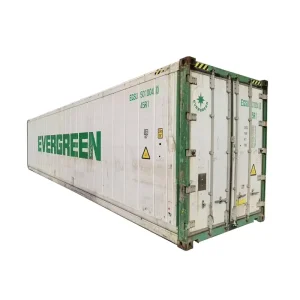
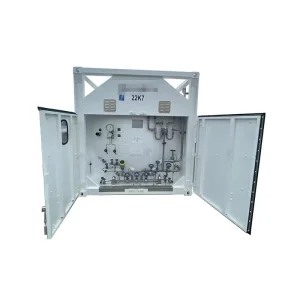
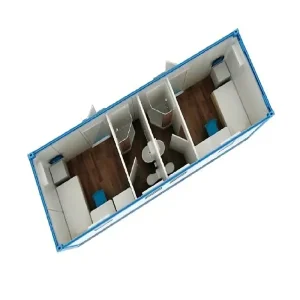
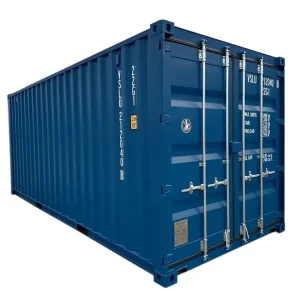
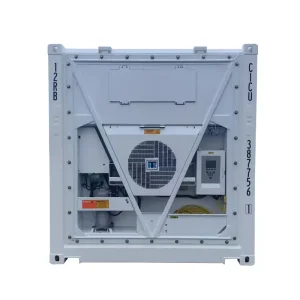
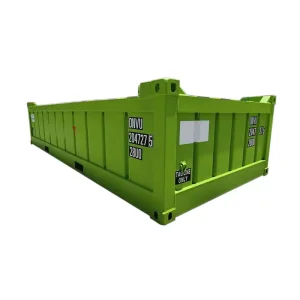
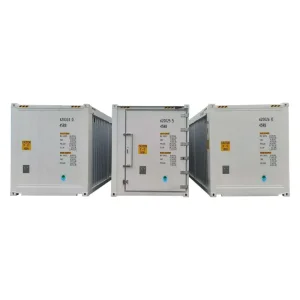
The convergence of perishable commodities trade, biopharmaceutical globalization, and climate sustainability mandates has placed refrigerated intermodal containers at the core of cross-border supply chains.
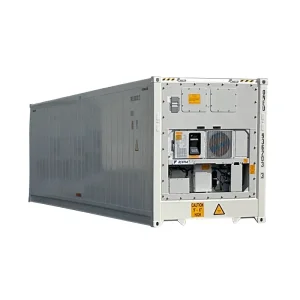
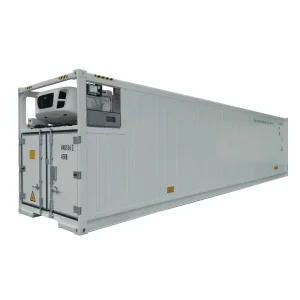
Refrigerated intermodal containers (reefers) are no longer isolated maritime shipping units; they serve as dynamically controlled, thermally autonomous mobile cold-rooms driving seamless intermodal transit between container ships, cross-continental double-stack rail corridors, and heavy-duty highway logistics. With global perishables trade exceeding 135 million metric tons annually, international supply chains are replacing conventional fragmented cold storage transitions with unified intermodal reefer architectures. The direct consequence is an elimination of cargo transshipment points, drastically reducing temperature fluctuation shocks that ruin high-value horticultural yields, delicate seafood catches, and temperature-critical biopharmaceuticals.
Stringent decarbonization directives enacted by the International Maritime Organization (IMO) and regional clean-freight treaties have driven massive technological disruption across the reefer manufacturing landscape. Shippers can no longer tolerate high Global Warming Potential (GWP) fluorinated refrigerants or thermally inefficient container shells that draw excessive electric auxiliary power from vessel switchboards and rail gen-sets. Today's commercial baseline demands environmentally responsible low-GWP refrigerants (such as R-452A, R-513A, and natural CO2 R-744), paired with closed-cell cyclopentane-blown polyurethane foam insulation delivering ultra-low thermal dissipation rates across continuous operations from -35°C to +30°C.
High-precision automated production lines, deep metallurgical supply integration, and port-adjacent assembly facilities create unmatched cost-to-performance equity for global logistics operators.
Direct domestic sourcing of atmospheric corrosion-resistant SPA-H Corten steel and food-grade SUS304 interior liners cuts raw component procurement lead times from months down to days, preserving structural integrity in aggressive salt-spray marine environments.
Computerized multi-point high-pressure cyclopentane foaming rigs deliver uniform density foam distribution (42-45 kg/m³) without thermal bridges, voids, or delamination, assuring a structural service lifespan exceeding 15 years under relentless vibration stress.
CIMIC’s strategic industrial facilities in Tianjin and Suzhou are positioned within 100 kilometers of the world's most active container transshipment docks, eliminating domestic dead-heading haulage costs and providing immediate embarkation slots to Europe, the Americas, and Africa.
Engineered to maintain micron-level thermal consistency across Arctic winter sub-zero rail corridors and Equatorial maritime shipping channels.
The vast Eurasian rail artery connecting Chongqing and Zhengzhou to Duisburg, Poland, and Rotterdam exposes rolling stock to brutal external temperature swings spanning from +40°C in Central Asian deserts to -45°C throughout Siberian transits. For cross-border logistics operators, specialized 40ft HC and 45ft pallet-wide refrigerated intermodal containers feature heavy-duty dual-fuel diesel-electric gen-sets with oversized 800-liter fuel tanks, enabling 25 days of uninterrupted autonomous thermal regulation. Real-time satellite-backed SCADA monitoring transmits internal evaporator discharge temperatures, ambient differential, and compressor head pressures directly to central dispatchers, guaranteeing non-stop cold-chain compliance across international rail networks.
In offshore oil, gas, and offshore wind installations throughout the North Sea, Gulf of Guinea, and Southeast Asian basins, standard ISO containers are prohibited due to dynamic wave-motion impact loading during supply vessel crane transfers. DNV 2.7-1 / EN12079 certified 20ft offshore refrigerated containers are engineered with high-yield structural steel beams, certified four-point offshore lifting sling shackles, internal safety release latches, and marine anti-corrosive multi-coat paint systems (C5-M rated). These units safeguard culinary provisions and temperature-critical chemical catalysts under constant oceanic pounding.
Developing agricultural regions in Latin America and Africa frequently struggle with cold-chain breakages between remote orchards and deep-water consolidation ports. Modular multi-temperature combination containers (such as 40ft HC Three-in-One units) and roll-up door reefer shelters serve as instant on-site pre-cooling facilities. Integrated with high-airflow T-bar aluminum flooring, controlled atmosphere (CA) nitrogen flush valves to suspend fruit respiration, and heavy-duty butcher curtains, these containers preserve premium berry, avocado, and cut-flower shipments before vessel consolidation.
From smart IoT predictive maintenance to next-generation controlled atmosphere membranes, discover how hardware and software converge.
Factory-integrated IoT devices harvest over 40 distinct telemetry data points every 60 seconds, utilizing machine learning models to detect compressor valve wear, refrigerant pinhole leaks, and thermal boundary degradation days before cargo is placed in jeopardy.
Regulatory phases of F-gases under the Kigali Amendment make legacy R-134a systems a carbon liability. Cutting-edge intermodal fleets are transitioning rapidly to Daikin, Thermo King, and Carrier systems utilizing R-452A and natural transcritical CO2 (R-744, GWP=1).
Low-profile, impact-resistant mono-crystalline solar arrays flush-mounted to container roof corrugations trickle-charge internal LiFePO4 battery banks, providing auxiliary backup energy to power microprocessors, satellite transmitters, and ventilation fans during gen-set cutoffs.
Indicative FOB factory price guidelines, dimensional capacities, and engineering parameters calculated for volume fleet procurement direct from Tianjin & Suzhou bases.
| Model / Size | Cooling Unit Config | Internal Volume | Max Gross Weight | Thermal Range | Indicative Price (FOB Tianjin) | Availability |
|---|---|---|---|---|---|---|
| 20ft Standard Reefer | Carrier ThinLINE / Daikin LXE | 28.3 m³ (1,000 cu ft) | 30,480 kg (67,200 lbs) | -30°C to +30°C | $11,800 – $14,200 | In Stock / ODM 15d |
| 40ft High-Cube Reefer | Thermo King Magnum Plus / Daikin | 67.8 m³ (2,394 cu ft) | 34,000 kg (74,950 lbs) | -35°C to +30°C | $17,500 – $21,800 | High Volume Stock |
| 45ft Belt & Road Pallet-Wide | Dual-Mode Diesel/Electric Daikin | 84.2 m³ (2,973 cu ft) | 35,000 kg (77,160 lbs) | -40°C to +25°C | $24,000 – $28,500 | ODM Custom Build |
| 20ft Offshore DNV 2.7-1 Reefer | Ex-Proof ATEX Certified Carrier | 25.5 m³ (900 cu ft) | 15,000 kg (33,069 lbs) | -25°C to +20°C | $22,000 – $26,800 | Certified Batch Ready |
| 40ft HC Three-in-One Multi-Temp | Dual Evaporator Zone-Split Rig | 62.5 m³ (Combined) | 34,000 kg (74,950 lbs) | -30°C / +4°C / Ambient | $25,500 – $29,800 | Project Engineered |
| Cargo Worthy Used 40ft HC Reefer | Fully Inspected Carrier/Daikin | 67.0 m³ (2,366 cu ft) | 32,500 kg (71,650 lbs) | -25°C to +25°C | $4,800 – $7,200 | Multi-Port Stock |
*Note: Unit pricelists fluctuate based on international Corten steel spot prices, refrigeration unit brand selection, custom door arrangements, and order volume tiers. Final commercial invoices subject to confirmed engineering blueprints.
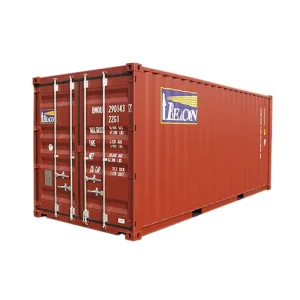
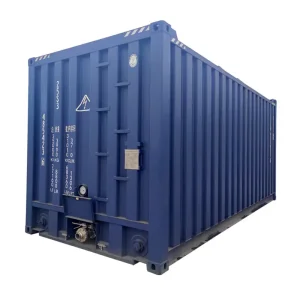
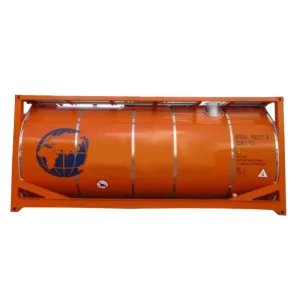
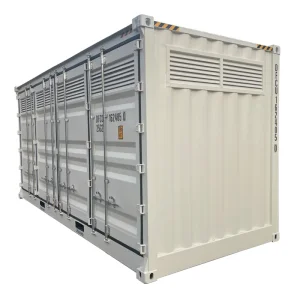
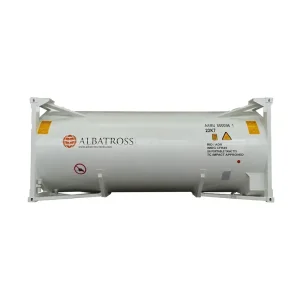
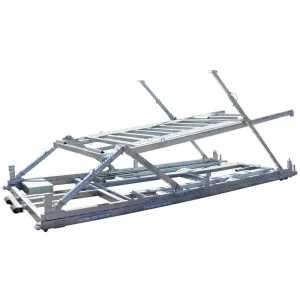
Explore heavy-duty specialized dry containers, ISO liquid & gas tank containers, and automotive vehicle logistics racks engineered to international standards.
In-depth responses compiled by CIMIC sales engineers covering unit selection, international type testing, insulation efficiency, and logistics execution.
CIMIC maintains direct OEM integration partnerships with Carrier Transicold (ThinLINE, PrimeLINE), Thermo King (Magnum Plus), and Daikin (LXE10E). Overseas clients can specify their preferred cooling machinery brand depending on regional spare part networks, maintenance contractor familiarity, or standardized fleet operating protocols.
Our standard 40ft HC reefers achieve a guaranteed thermal heat leakage factor (K-value) below 0.35 W/m²K, well within ATP Class FRC specifications. Air leakage rates under a 250 Pa static internal overpressure test are maintained below 4.0 m³/h, minimizing ambient moisture ingress and preventing evaporative coil frosting during deep ocean crossings.
All containers leave the factory with CSC (International Convention for Safe Containers) safety approval plates, authenticated by Bureau Veritas (BV), ABS, or LR. Offshore models include strict DNV 2.7-1 / EN12079 type certification, including material mill test reports (MTR), full radiographic weld examination records, and proof load test documentation.
Standard ISO reefer sizes in 20ft and 40ft configurations are maintained in recurring rolling stock at our Tianjin and Suzhou yards, enabling container release within 5 to 7 business days. Fully bespoke ODM engineering builds (such as multi-compartment units, side-opening insulated frames, or roll-up door models) typically require 20 to 30 days from blueprint sign-off.
Yes. Tianjin Cimic holds inspected, PTI-certified cargo-worthy used reefers at major container hubs across China, including Tianjin, Qingdao, Shanghai, Ningbo, and Shenzhen. This geographic distribution allows global shipping lines and importers to position units quickly with one-way cabotage freight to minimize repositioning overhead.
While standard stock units can be ordered individually (MOQ = 1 unit), specialized custom ODM configurations generally carry an initial production run requirement of 2 to 4 units to optimize tooling and automated robotic weld setup costs. Our sales engineering team will assist in optimizing batch schedules to achieve maximum freight efficiency.
