Direct manufacturer deployment from Tier-1 production yards in Tianjin and Suzhou. Standardized ISO compliance with rigorous CSC, DNV, and BV marine certifications.
An exhaustive analysis of structural steel metallurgical grades, robotic weld consistency, automated thermal testing, and international freight containerization.
The resilience of intermodal containers begins at the molecular level. Leading Chinese manufacturers leverage continuous casting SPA-H Corten steel, exhibiting atmospheric corrosion resistance 5 to 8 times higher than standard carbon structural steel. This atmospheric passivation process ensures continuous salt-mist endurance along high-salinity oceanic lanes.
Tianjin and Suzhou manufacturing hubs integrate fully automated multi-axis robotic welding cells, ensuring seamless MIG/MAG continuous seams across bottom side rails, corner posts, and header castings. Automated grit-blasting surfaces reach SA 2.5 cleanliness, providing the anchor pattern for zinc-rich epoxy primers and polyurethane topcoats.
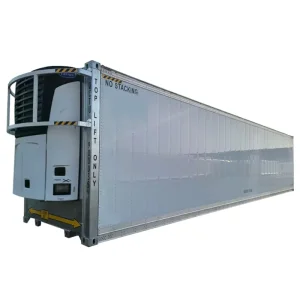
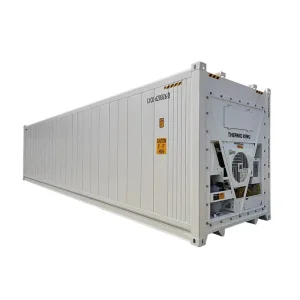
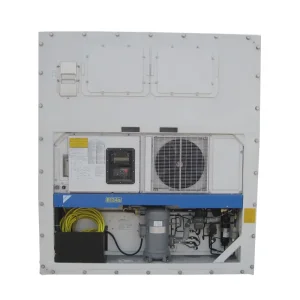
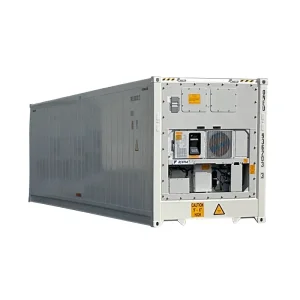
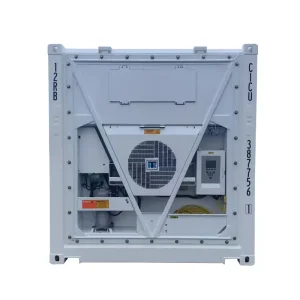
Modern refrigerated units integrate advanced microcontrollers compatible with Carrier Transicold, Daikin, and Thermo King chillers. Deep polyurethane (PU) high-pressure foam injection prevents thermal bridging, ensuring overall heat transfer coefficients (K-values) consistently below 0.38 W/(m²·K) for pharmaceutical and sub-zero protein transit.
Transparent reference pricing calculated FOB Chinese Main Ports (Tianjin, Qingdao, Shanghai, Ningbo). Prices correlate with raw steel indexes and refrigeration unit allocations.
| Equipment Classification | Dimensions (L × W × H) | Tare Weight | Max Payload | Thermal / Spec Range | Indicative Price (FOB, USD) |
|---|---|---|---|---|---|
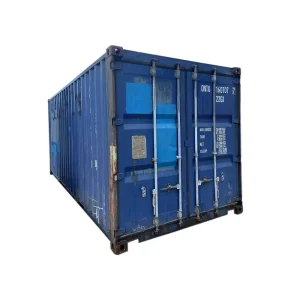
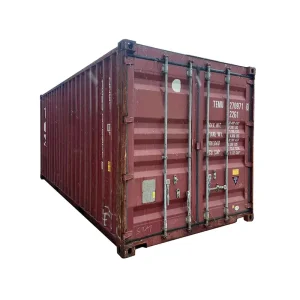
| 20ft Standard Dry Cargo (New) | 6,058 × 2,438 × 2,591 mm | 2,180 kg | 28,300 kg | ISO 1496-1 Corten-A | $1,750 – $2,250 |
| 40ft High-Cube Dry Cargo (New) | 12,192 × 2,438 × 2,896 mm | 3,800 kg | 28,700 kg | 76.4 m³ Capacity | $2,850 – $3,600 |
| 40ft High-Cube Reefer (Daikin/Carrier) | 12,192 × 2,438 × 2,896 mm | 4,480 kg | 29,520 kg | -30°C to +30°C Active | $11,800 – $16,500 |
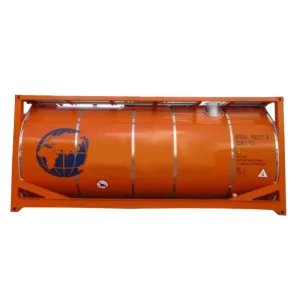
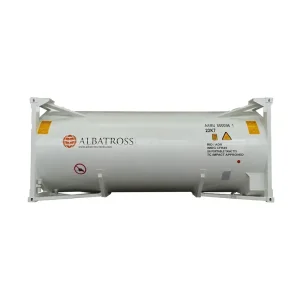
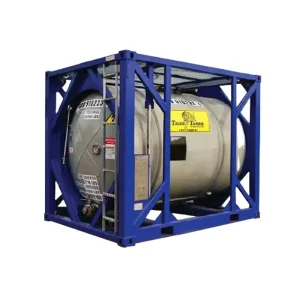
| 20ft ISO Liquid Tank Container | 6,058 × 2,438 × 2,591 mm | 3,650 kg | 32,350 kg | 25,000L SS316L Vessel | $14,200 – $19,800 |
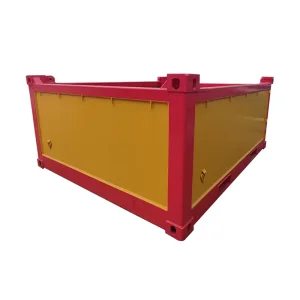
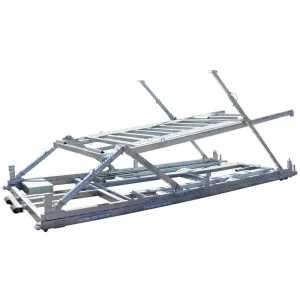
| Offshore DNV Certified Cargo Basket | Custom / Standard lengths | Varies | Up to 15,000 kg | DNV 2.7-1 / EN 12079 | $4,800 – $8,900 |
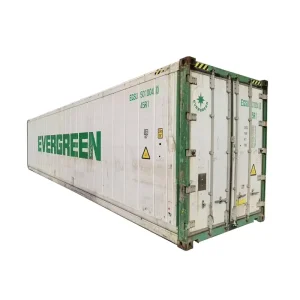
| 40ft Used Dry Cargo (Cargo Worthy) | 12,192 × 2,438 × 2,591 mm | 3,600 kg | 26,880 kg | Wind & Watertight (WWT) | $1,250 – $1,850 |
*Note: Market spot prices fluctuate based on hot-rolled coil (HRC) raw steel indices, global shipping line blank sailings, and component supply.
Bridging Chinese supply power with regional regulatory standards worldwide. Full documentation packages prepared for instant customs clearance and project certification.
Every newly cast container carries an embossed, serialized International Convention for Safe Containers (CSC) plate verified by Bureau Veritas (BV), ABS, or CCS. This certifies stackability under multi-tier conditions up to 216,000 kg total superimposed load.
Offshore baskets, tool containers, and refrigerated modules intended for harsh maritime environments comply strictly with DNV 2.7-1 standard for offshore containers, undergoing non-destructive Charpy V-notch impact testing at -20°C.
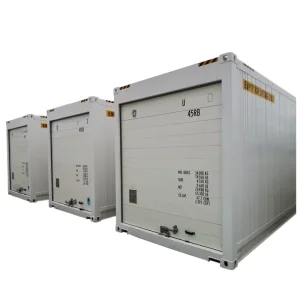
Custom hazard storage configurations feature explosion-proof ventilation, interior spark-free hardware, spillage containment sumps, and chemical-resistant polyurethane lining meeting IMDG code guidelines for localized industrial compliance.
Reefer systems utilize global cooling components from Carrier, Thermo King, and Daikin. Localized service centers across North America, Europe, Africa, and Oceania carry interchange components, preventing down-time during critical cold chains.
Container architectures engineered specifically for extreme logistical constraints, marine terminals, remote mineral extraction, and modular civil installations.
Half-height open-top containers and reinforced bulk ore carriers withstand severe loading from abrasive ores, concentrates, and mechanical scrap. Heavy-gauge Corten side ribs and high-tensile floor sills prevent bulging during high-density loading and overhead crane transit.
40ft High Cube reefers engineered with multi-leaf side access and rapid roller-shutter closures. These units resolve bottleneck congestion at urban distribution centers by allowing forklift direct-docking without compromising the core interior thermal envelope.
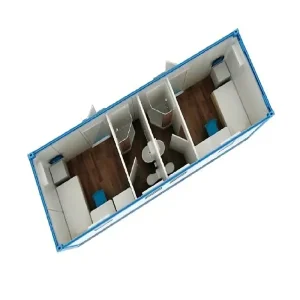
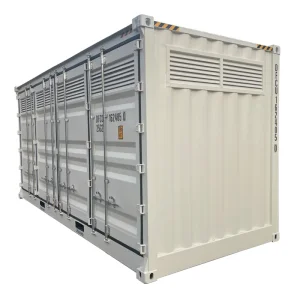
Modified dry cargo chassis serve as the structural framework for Battery Energy Storage Systems (BESS), mobile water treatment plants, and offshore worker accommodation units. Engineered with structural cut-outs, louvers, and structural stiffeners calculating FEA load paths.
Next-generation container engineering prioritizes lifecycle sustainability, real-time edge computing, and ultra-durable thermal barriers.
Regulatory frameworks across international shipping alliances demand the eradication of high-VOC solvent paints. Chinese manufacturing facilities have migrated entirely to automated waterborne zinc-polyurethane coating suites, decreasing environmental footprints while maintaining salt-spray durability over 15+ years.
Containers are shifting from static assets to intelligent logistical endpoints. Next-generation reefers and specialized dry containers feature embedded door sensors, vibration accelerometers, ultrasonic cargo fullness detectors, and satellite communications powering end-to-end supply chain visibility.
To reduce container wall thicknesses and expand interior volumetric cargo capacity by up to 8%, researchers are deploying nanostructured silica aerogels within sandwich panel cores. This breakthrough offers superior thermal insulation values with lighter tare weights.
Engineered for complex project logistics, chemical gas storage, remote modular housing, and offshore marine operations.
Detailed technical, commercial, and operational clarifications compiled directly by CIMIC Group sales engineers.
Most standard dry and reefer units are fabricated in 10ft, 20ft, 20ft High Cube, 40ft, and 40ft High Cube. Beyond standard ISO footprints, factories produce bespoke configurations including full side-opening doors, roller shutter doors, open-tops, half-height ore containers, and DNV 2.7-1 certified offshore models built to structural load specs.
Refrigerated production lines support factory integration with Carrier Transicold (e.g., ThinLINE, PrimeLINE), Daikin (LXE series), and Thermo King (Magnum Plus). This allows commercial buyers to specify systems aligned with their local technical service networks, warranty terms, and spare parts stocks.
Containers are certified under ISO 9001 quality management systems and issued valid CSC safety approvals by international classification societies including Bureau Veritas (BV), ABS, and CCS. Offshore containers receive DNV 2.7-1 / EN 12079 design approvals and load test certificates.
Yes. Engineering teams collaborate on custom dimensional spans, heavy-duty floor load integrations, insulated sandwich panels, dangerous goods ventilation louvers, specialized chassis tie-downs, corporate liveries, and internal electrical/mechanical prep.
Primary container production complexes are strategically located in Tianjin and Suzhou, situated within 100 kilometers of deep-water port terminals. This proximity keeps domestic shunting costs low and expedites vessel loading. Second-hand inventories are maintained across major Chinese shipping ports.
For standard dry and reefer models, MOQs are flexible and can accommodate single-unit purchases for specialized builds. Custom OEM engineering runs with unique tooling or non-standard profiles generally require batches of 2 to 4 TEUs to balance tooling and line calibration costs.
